© The Dabney Nursery
Plant: Forest Pansy - Redbud Tree
Redbud Tree · Cercis canadensis 'Forest Pansy'
Light
Bloom
Mature size
More about this plant
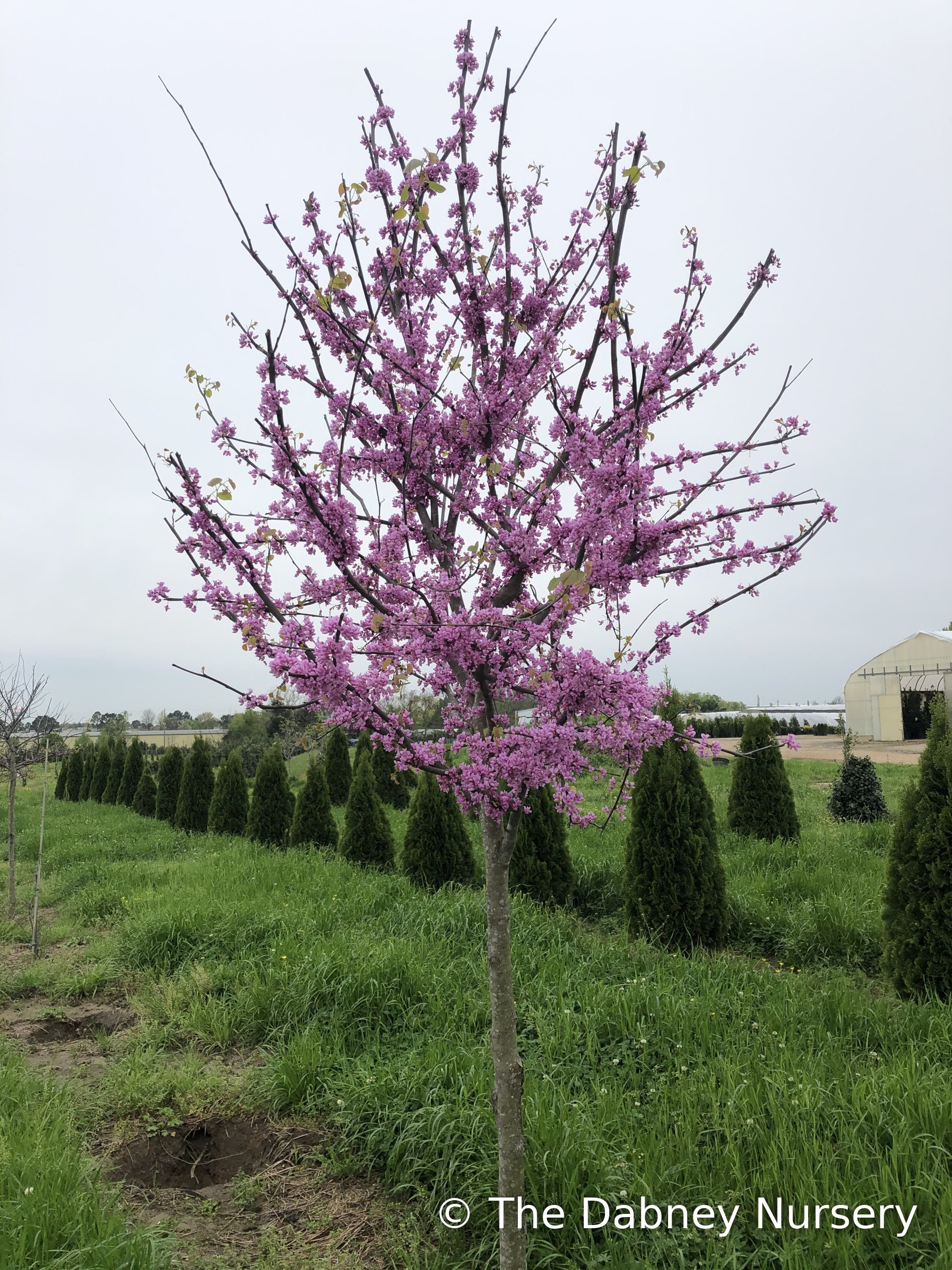
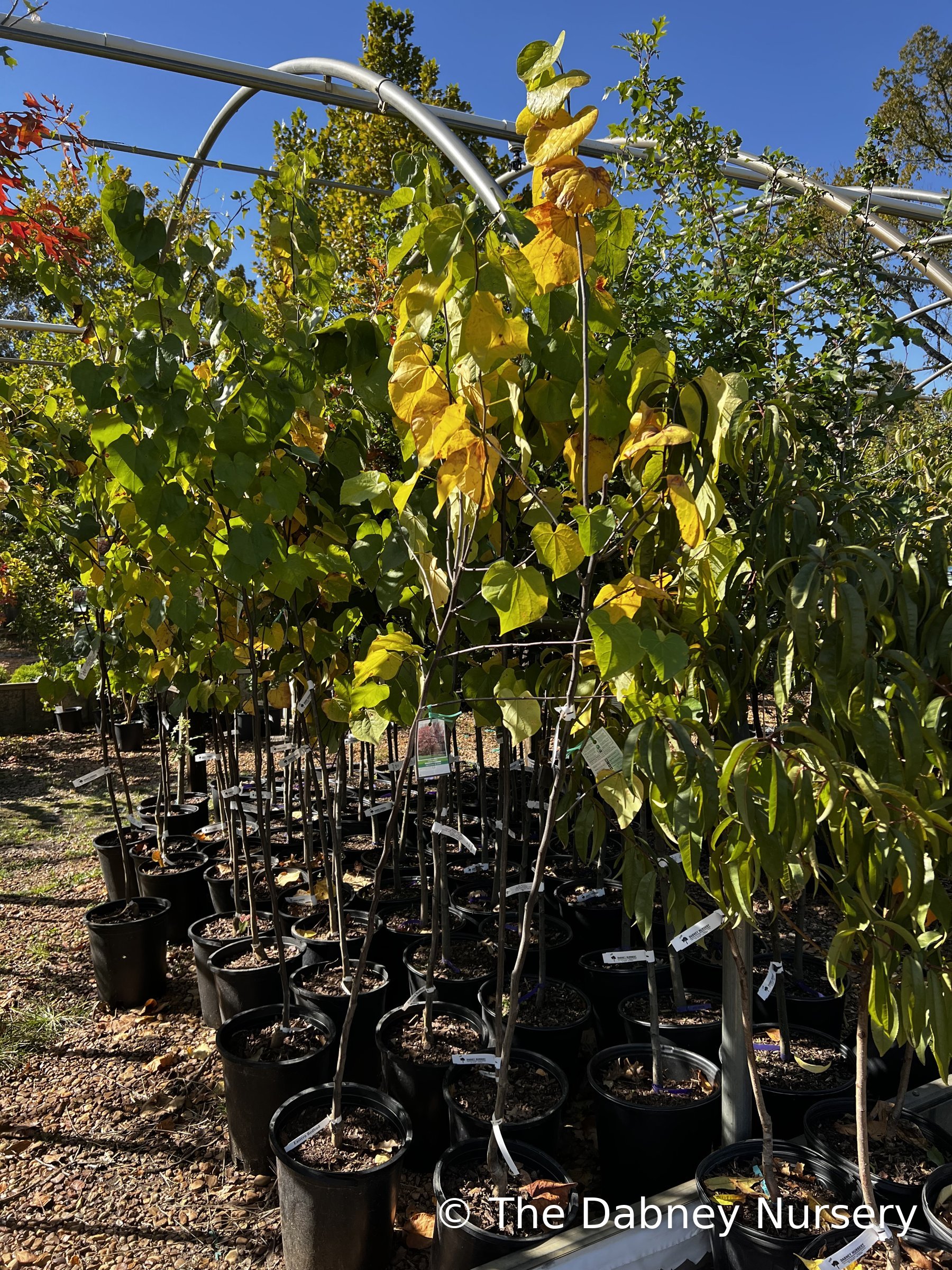
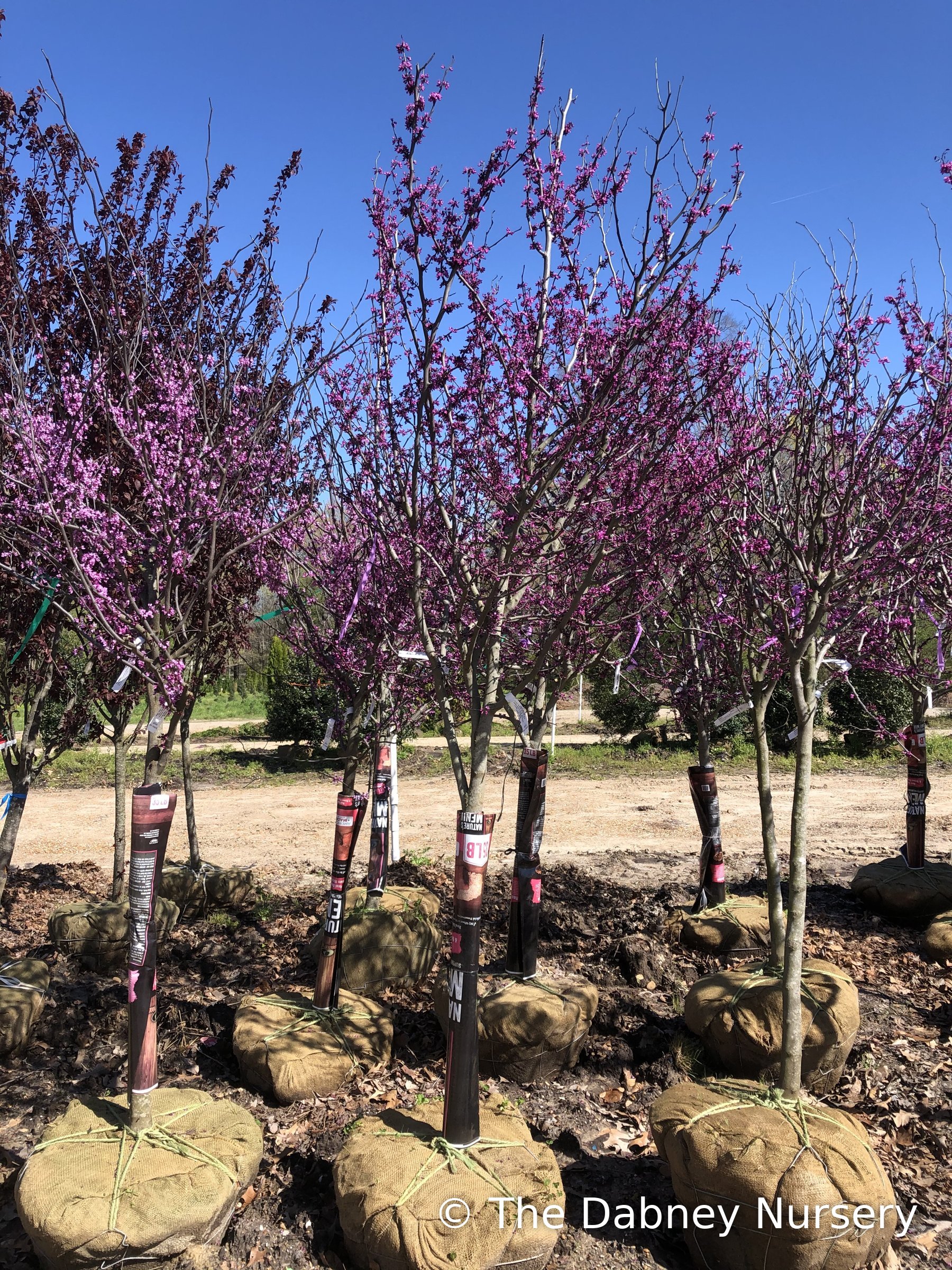
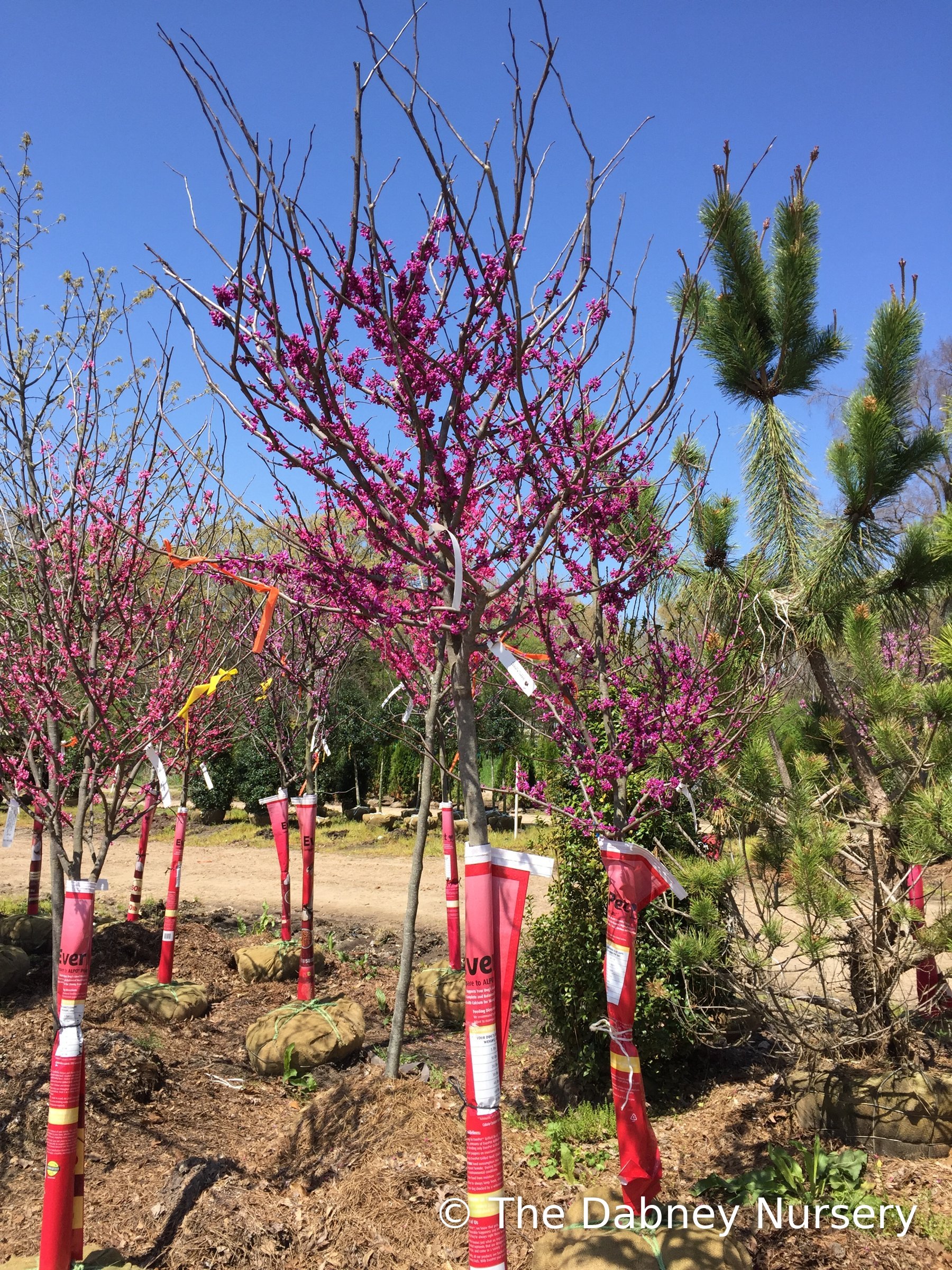
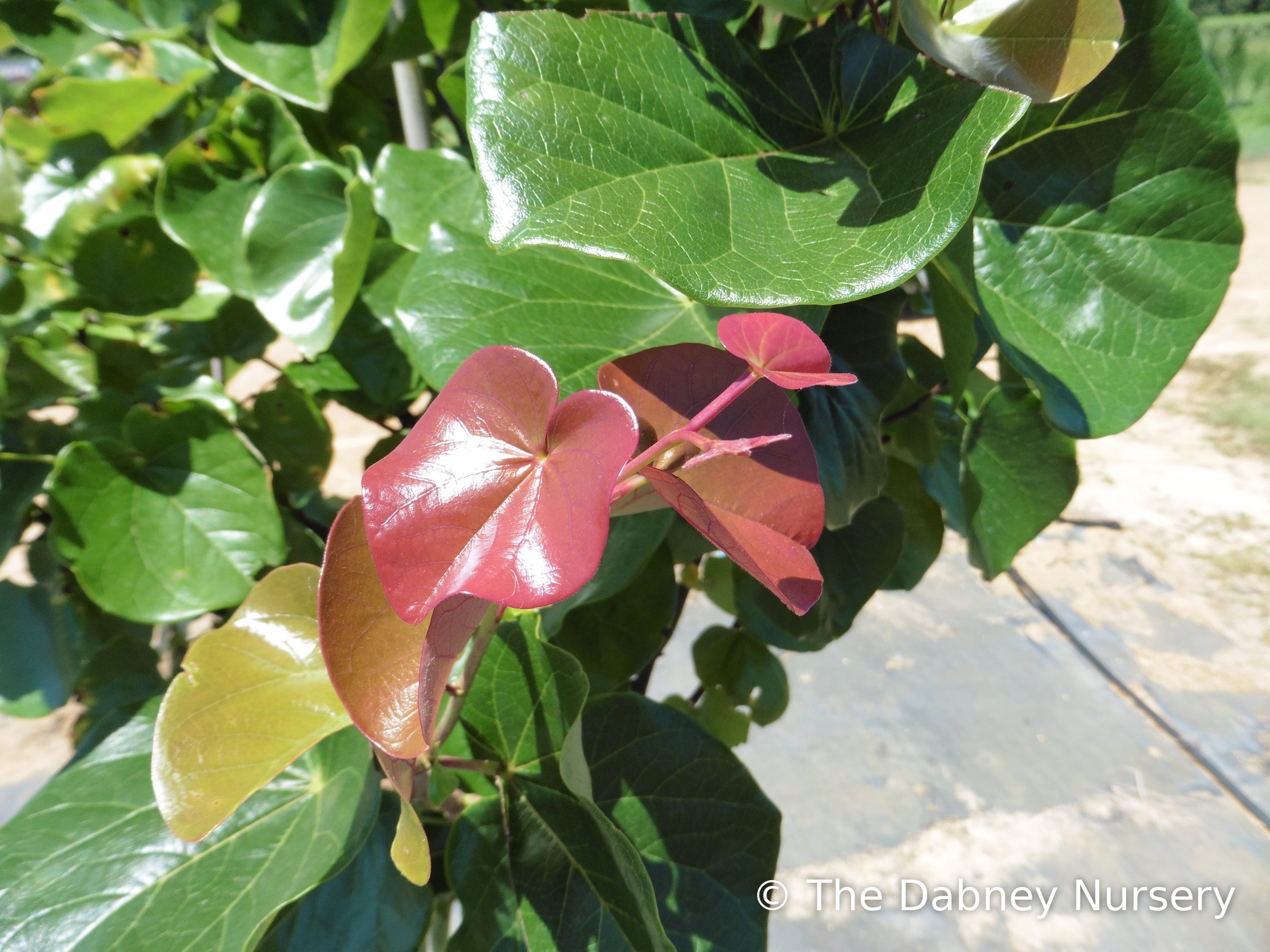
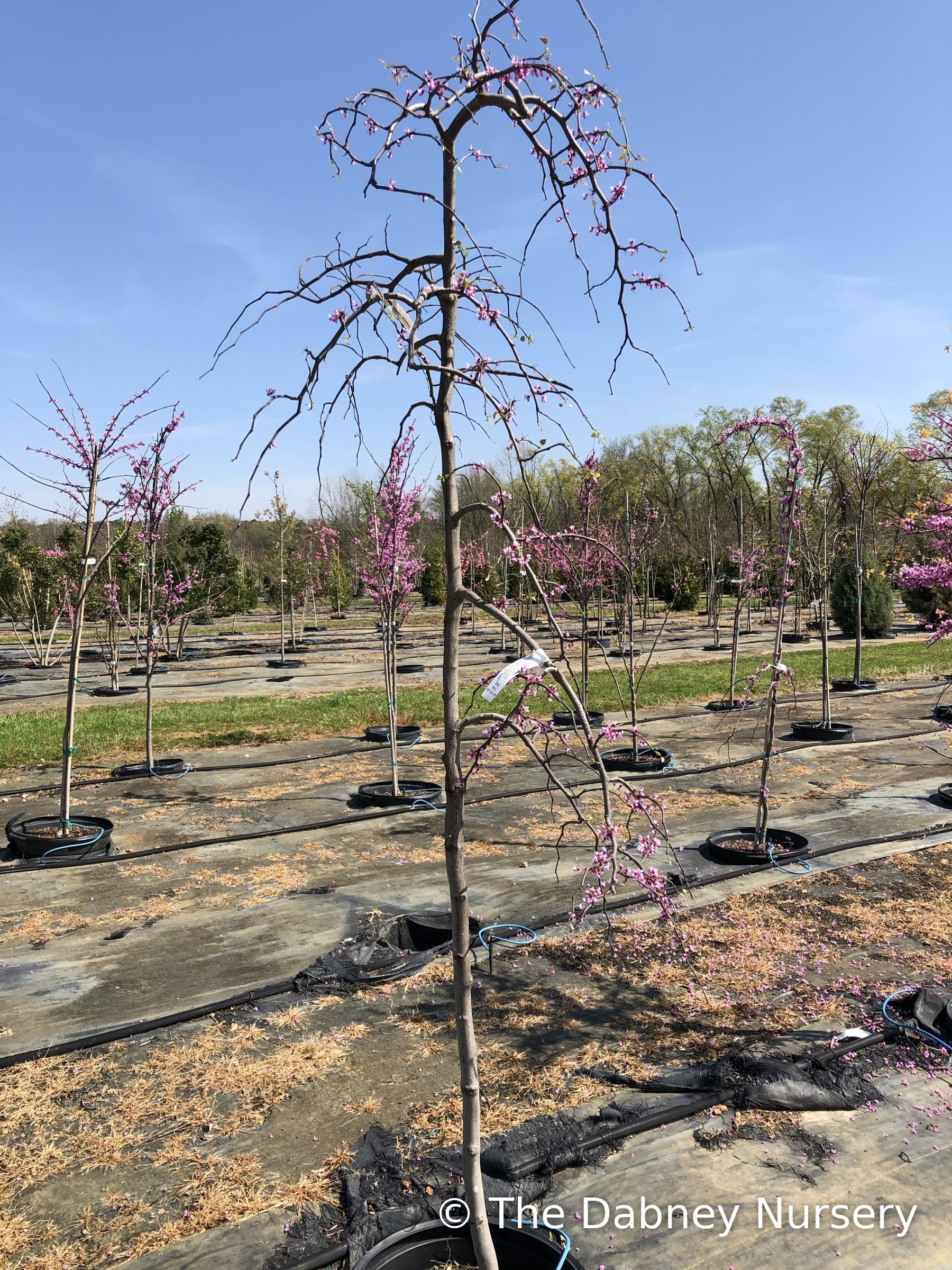
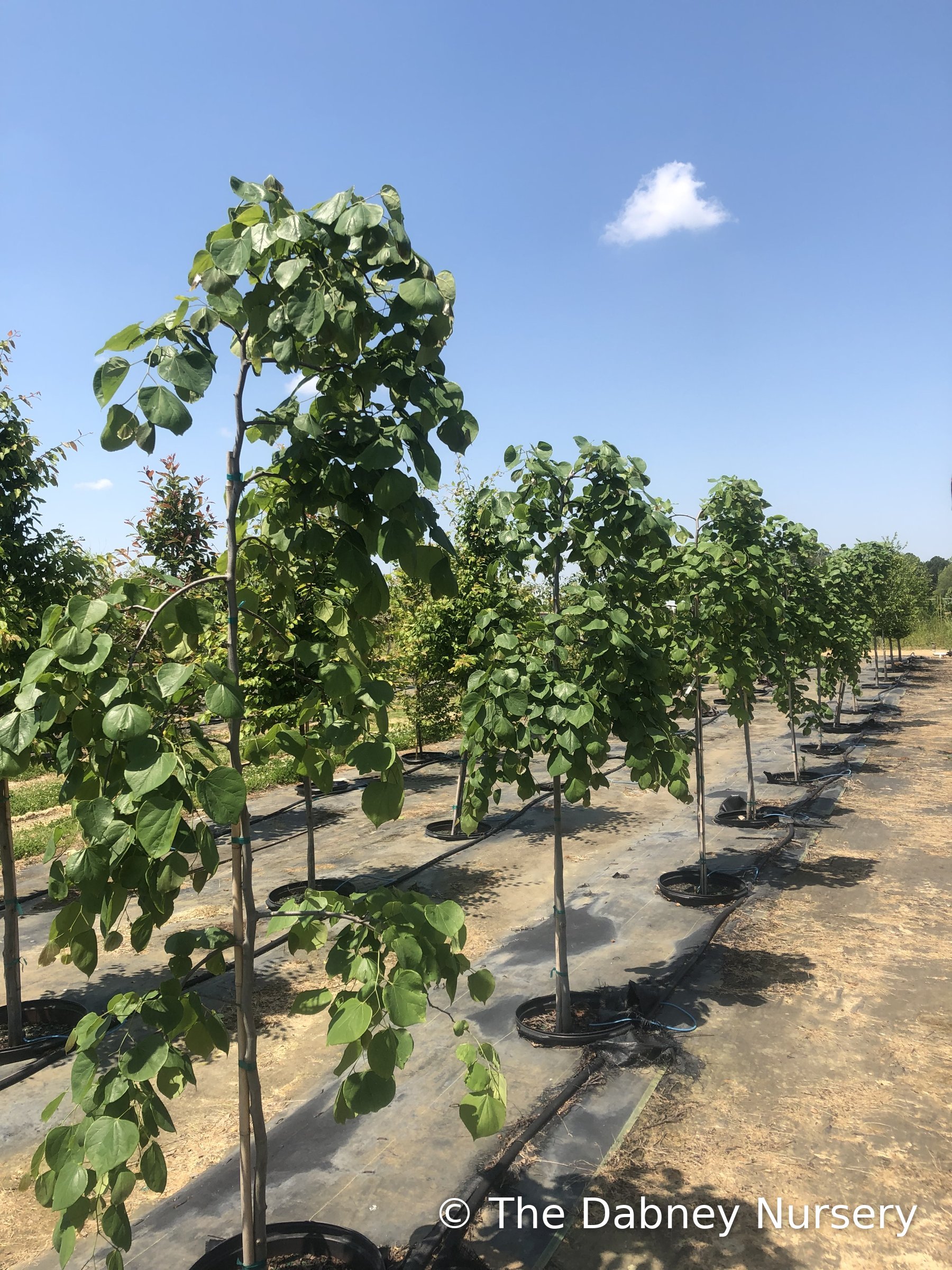
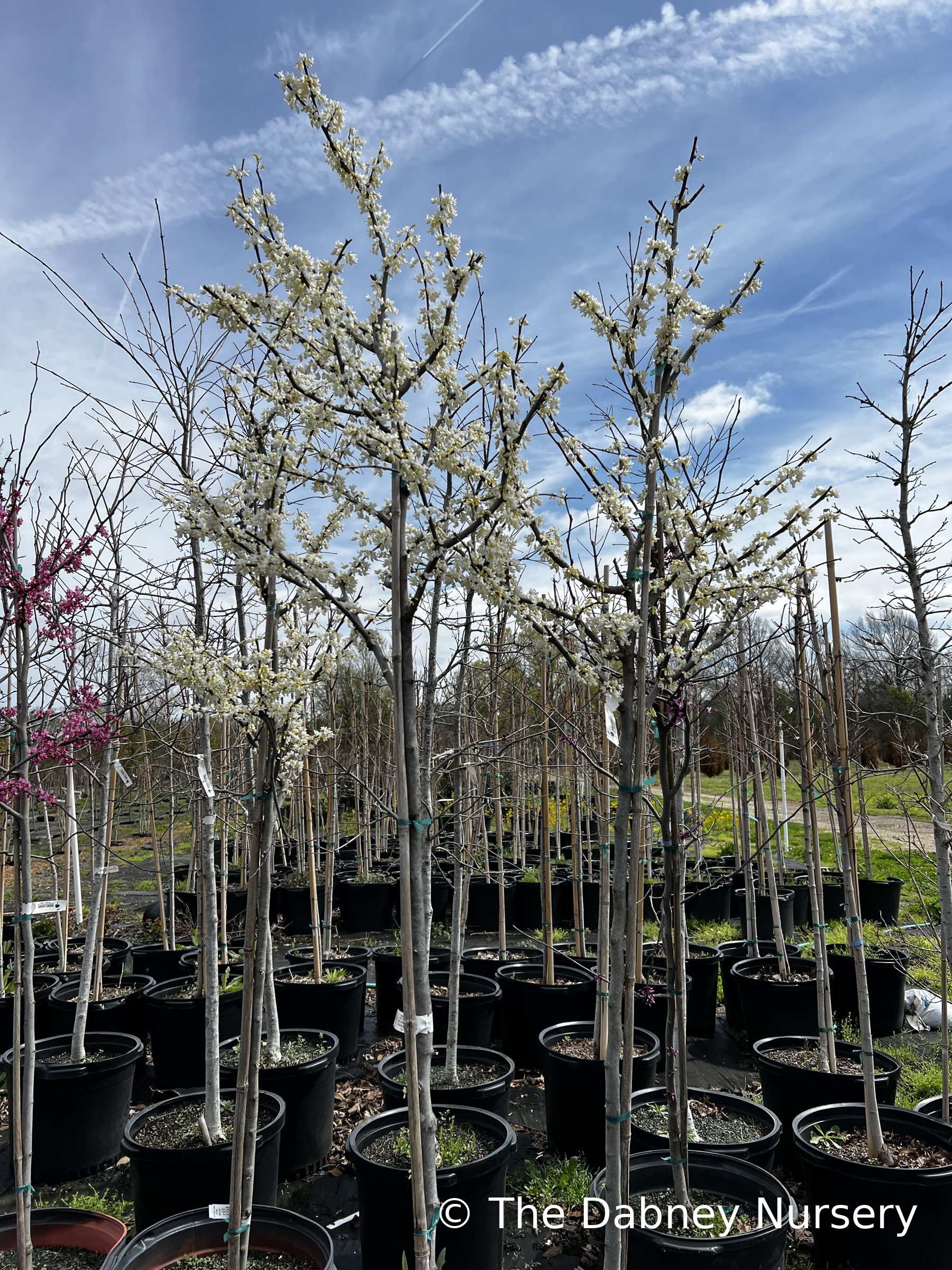
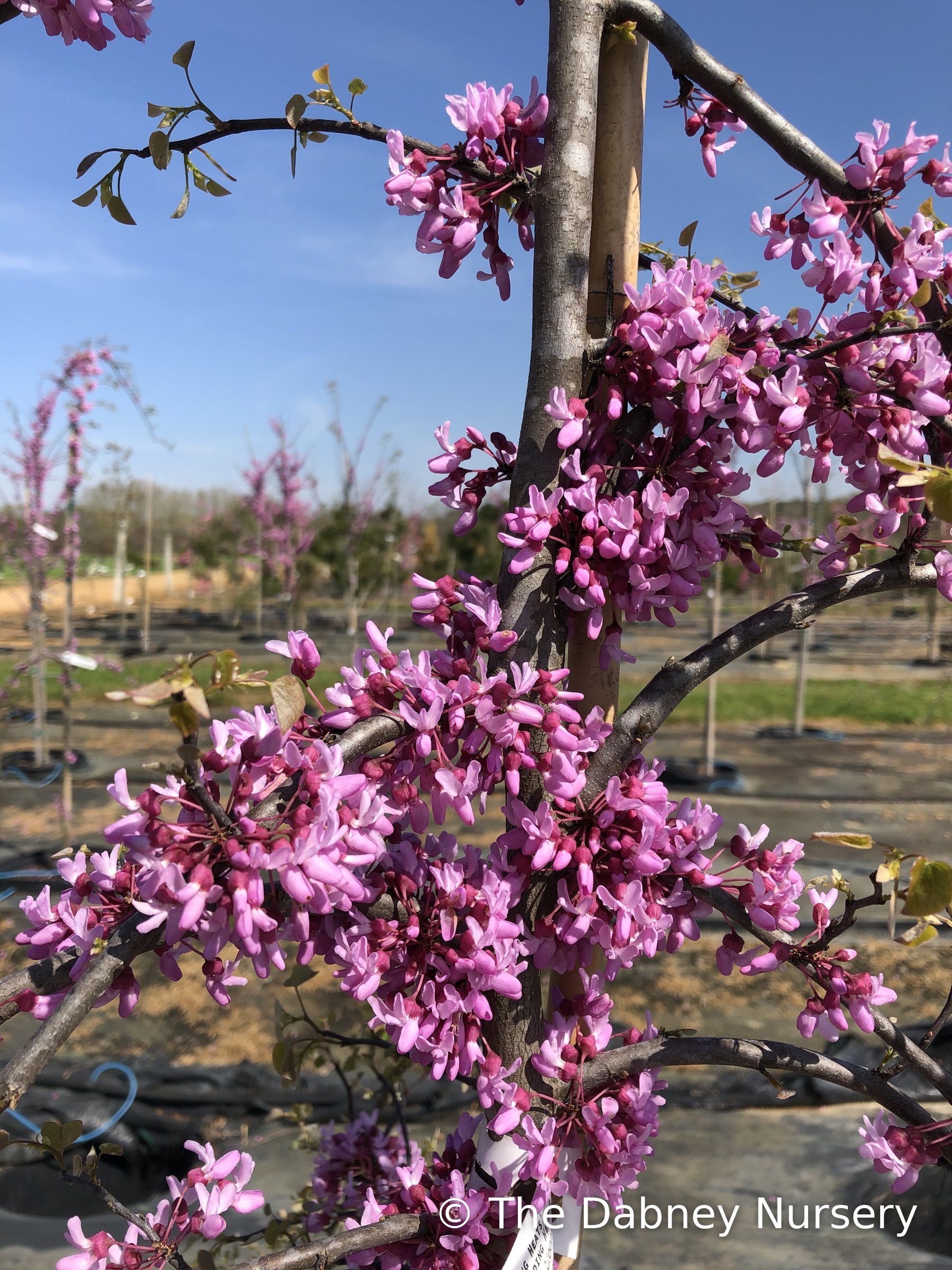
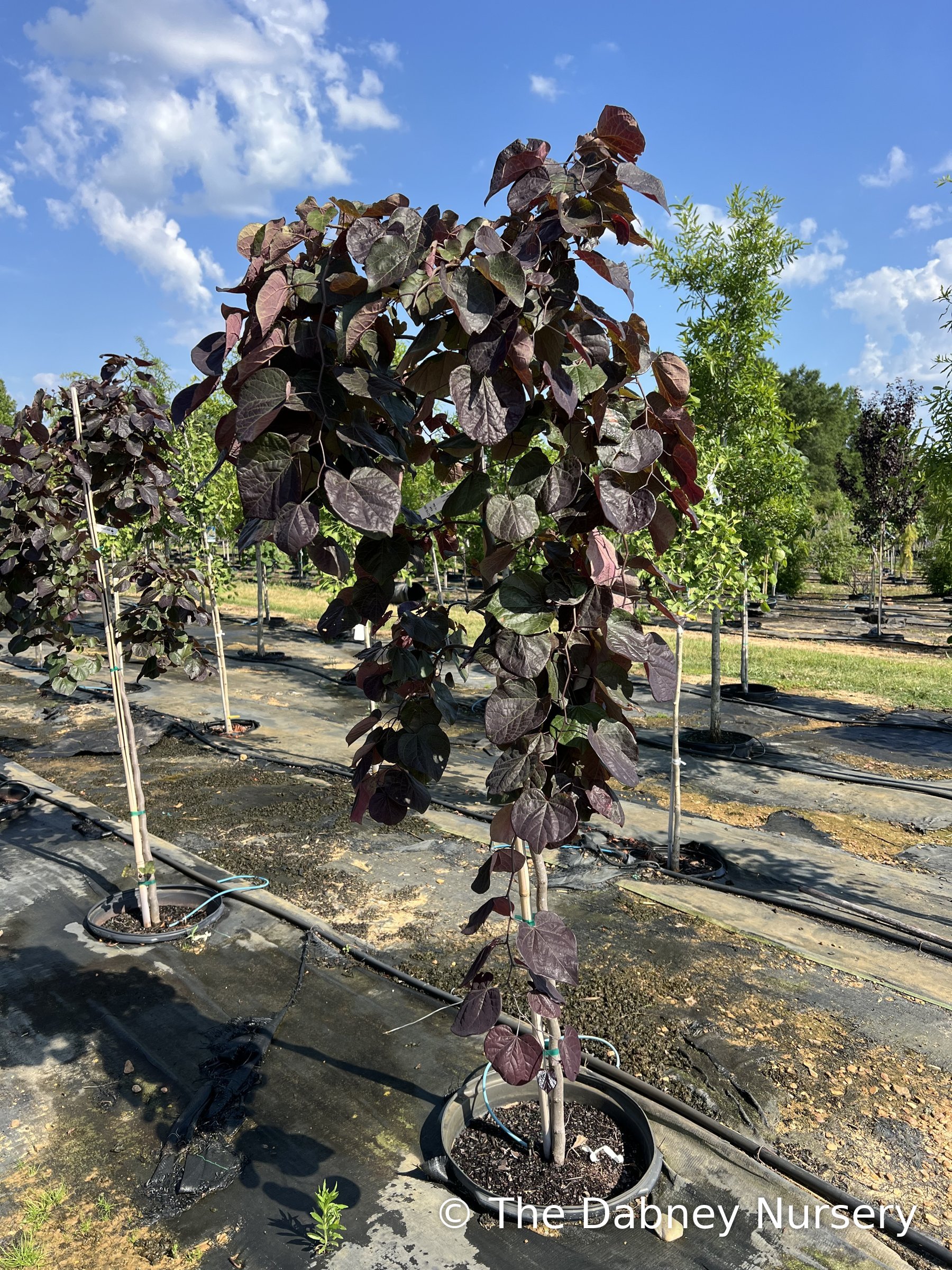
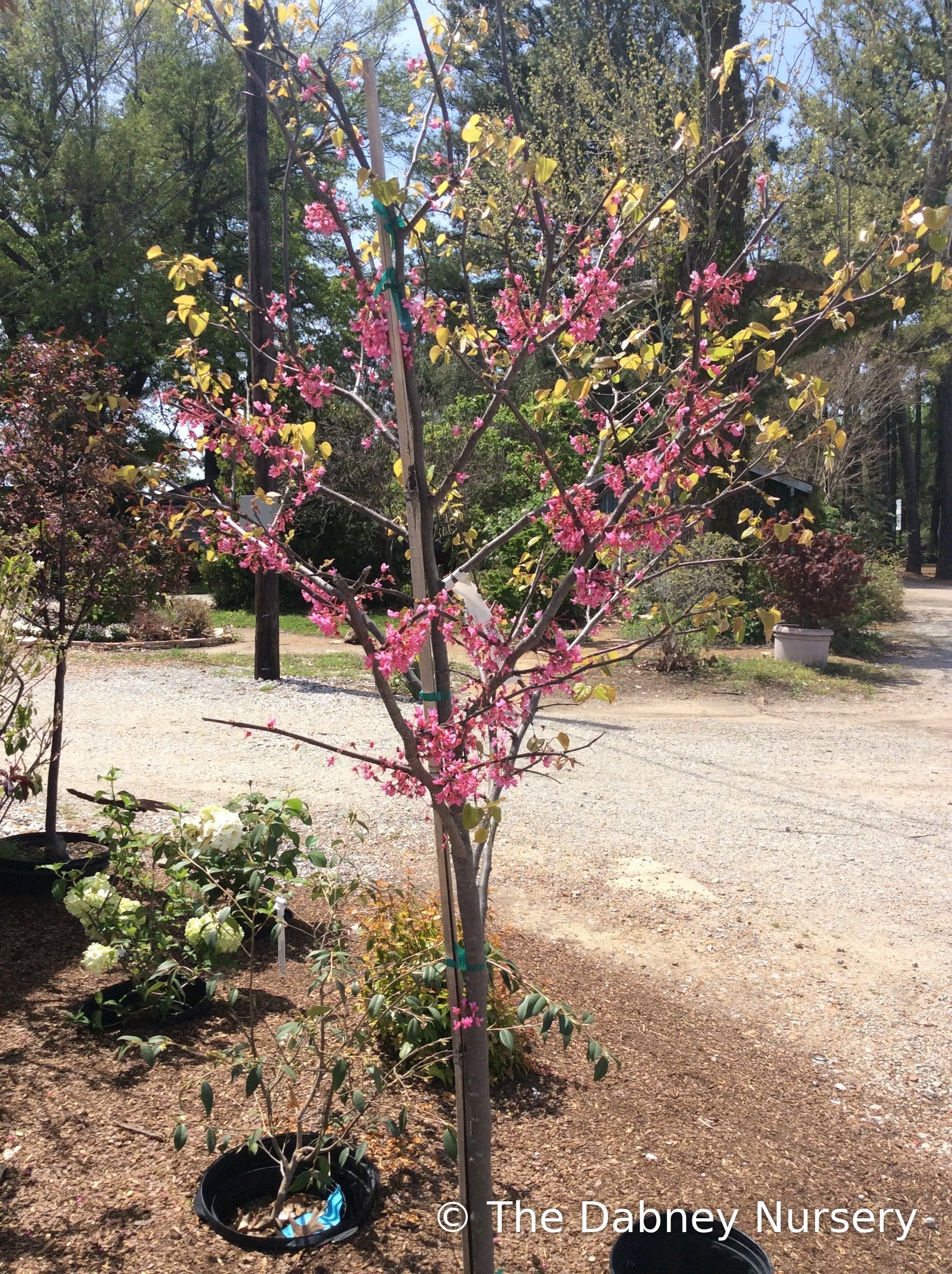
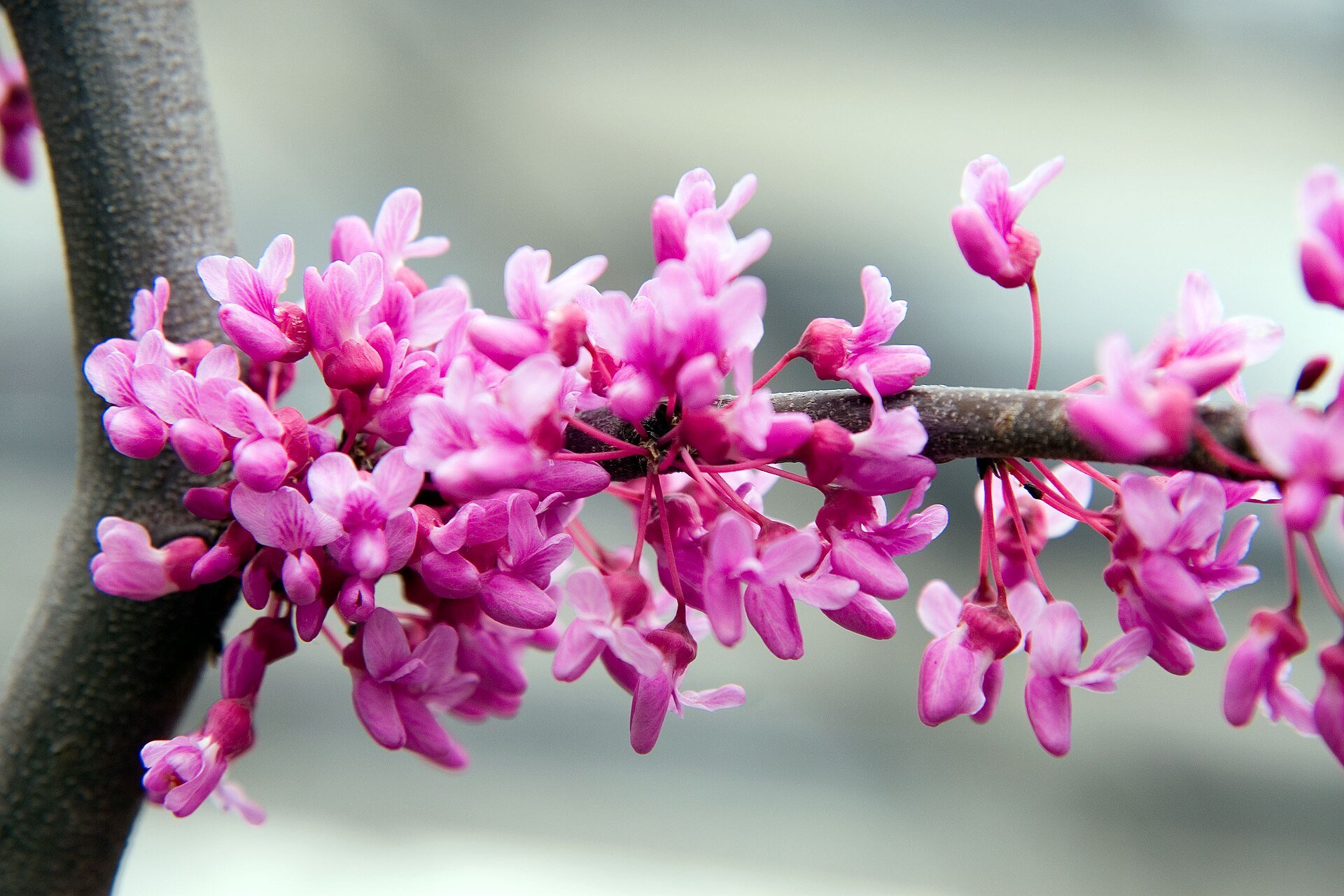
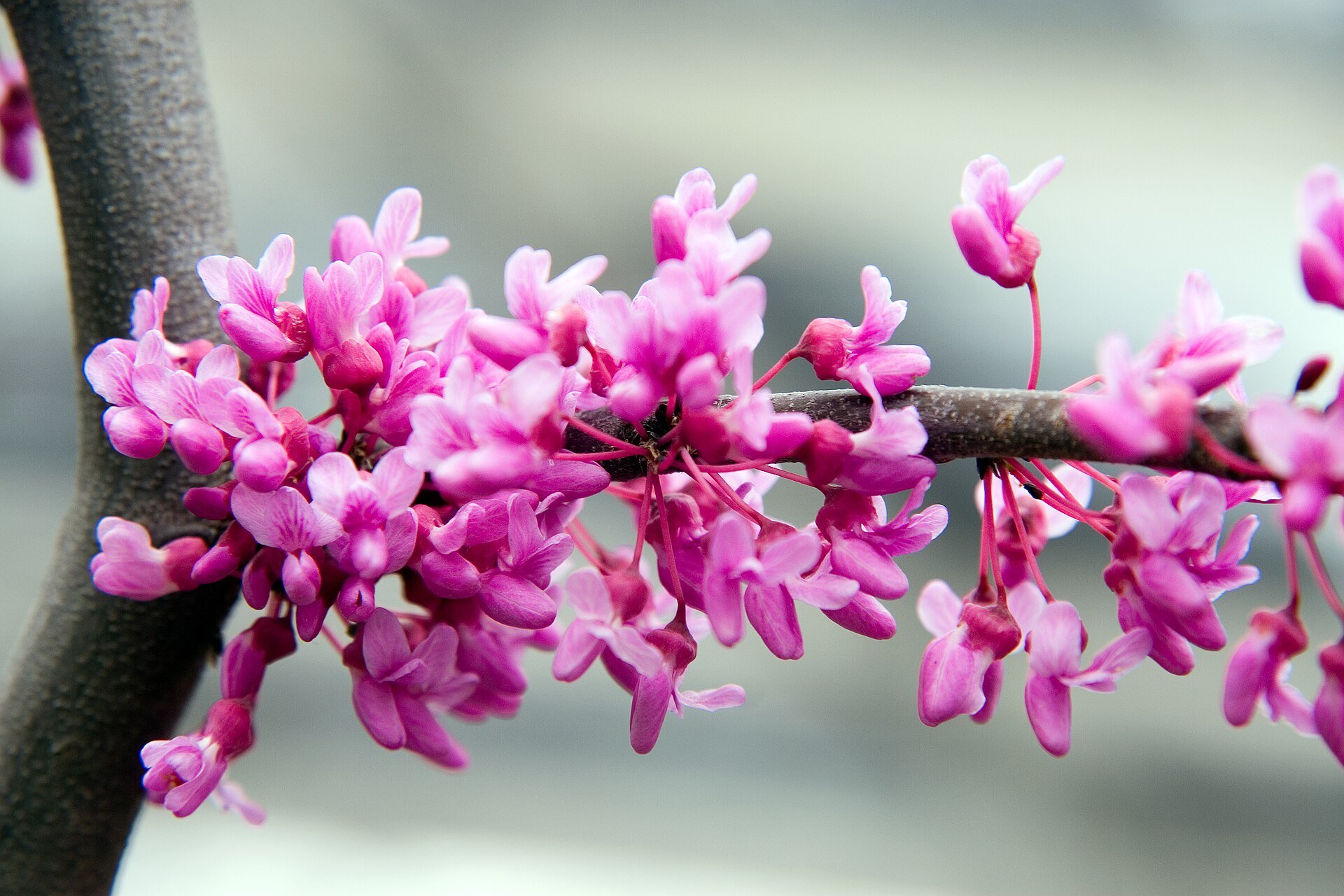
The best known purple leaved redbud, reaching 20 to 30 feet tall and 25 to 35 feet wide with a rounded to vase shaped, often multi-trunked frame. Rosy pink-purple pea-like flowers explode from bare twigs in early spring, then reddish-purple heart-shaped leaves emerge and finish the season in red, burgundy, orange and purple. It grows quickly, takes sun or partial shade and clay, loam or sand across a wide pH band, and tolerates black walnut and deer. Flattened brown seedpods follow the flowers and feed squirrels, songbirds and quail. Use it as a specimen, an accent or a small shade tree at a woodland edge. The wood is weak and the thin bark damages easily, so protect the trunk and prune drooping limbs.
- Part Shade
- Grows to 30 ft tall and 35 ft wide
- Blooms in spring
- Hardy in USDA zones 5a-9b
- Deciduous foliage
- Native plant
Plant description
The best known purple leaved redbud, reaching 20 to 30 feet tall and 25 to 35 feet wide with a rounded to vase shaped, often multi-trunked frame. Rosy pink-purple pea-like flowers explode from bare twigs in early spring, then reddish-purple heart-shaped leaves emerge and finish the season in red, burgundy, orange and purple. It grows quickly, takes sun or partial shade and clay, loam or sand across a wide pH band, and tolerates black walnut and deer. Flattened brown seedpods follow the flowers and feed squirrels, songbirds and quail. Use it as a specimen, an accent or a small shade tree at a woodland edge. The wood is weak and the thin bark damages easily, so protect the trunk and prune drooping limbs.
- Flowers
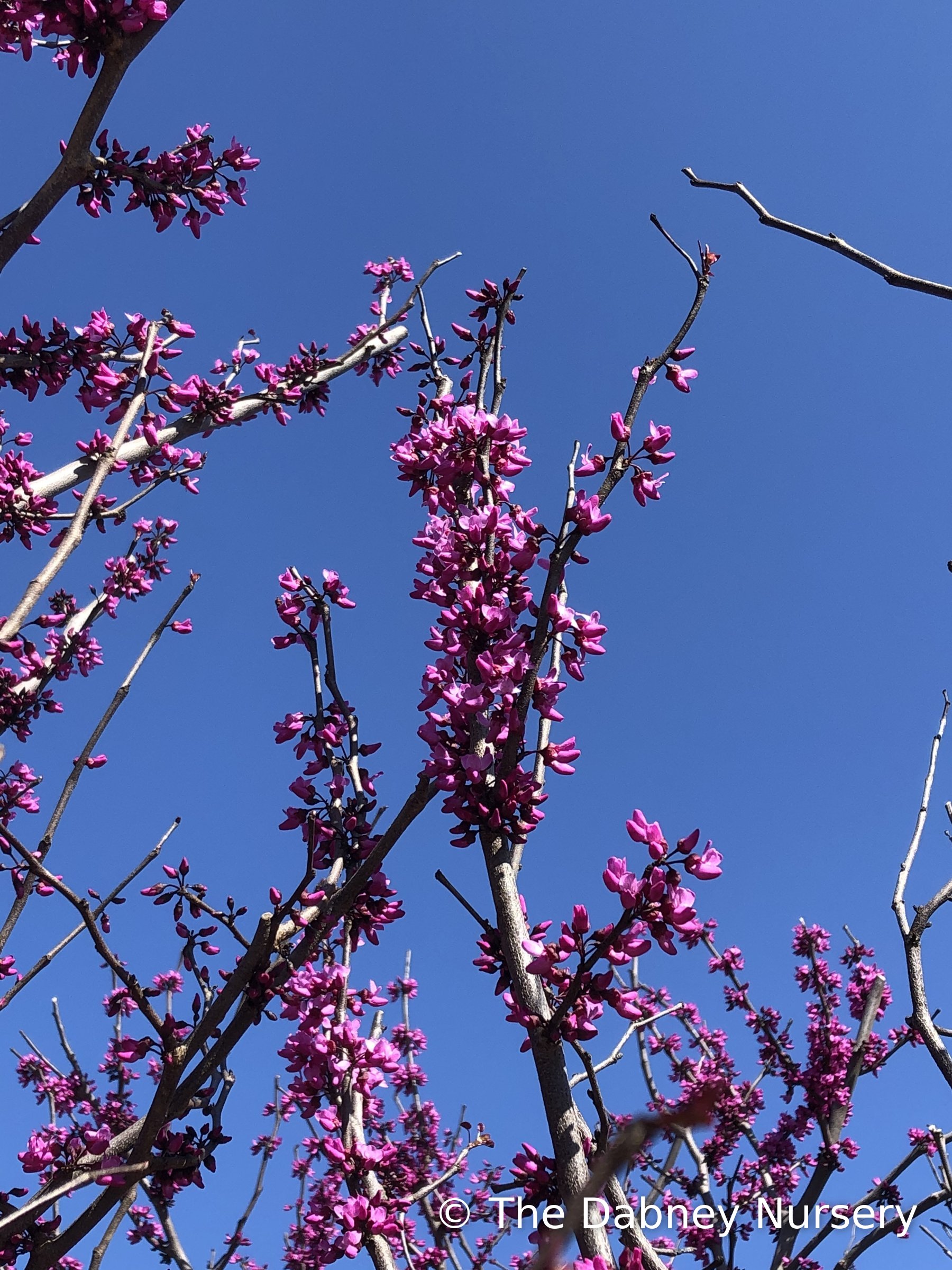
- Extremely showy rosy pink-purple pea-like flowers explode from the bare twigs in early spring.
- Foliage
- Deciduous, simple, alternate heart-shaped to nearly round leaves, reddish-purple when young and holding purple tones through the season, papery and waxy to the touch, turning red, burgundy, orange and purple in fall.
- Fruit
- Flattened dry bean pods 2 to 4 inches long that mature to brown in summer.
- Bark & stems
- Smooth, thin bark that can be damaged easily.
- Pruning
- May require trimming to maintain canopy clearance.
- Native range
- Eastern and central North America