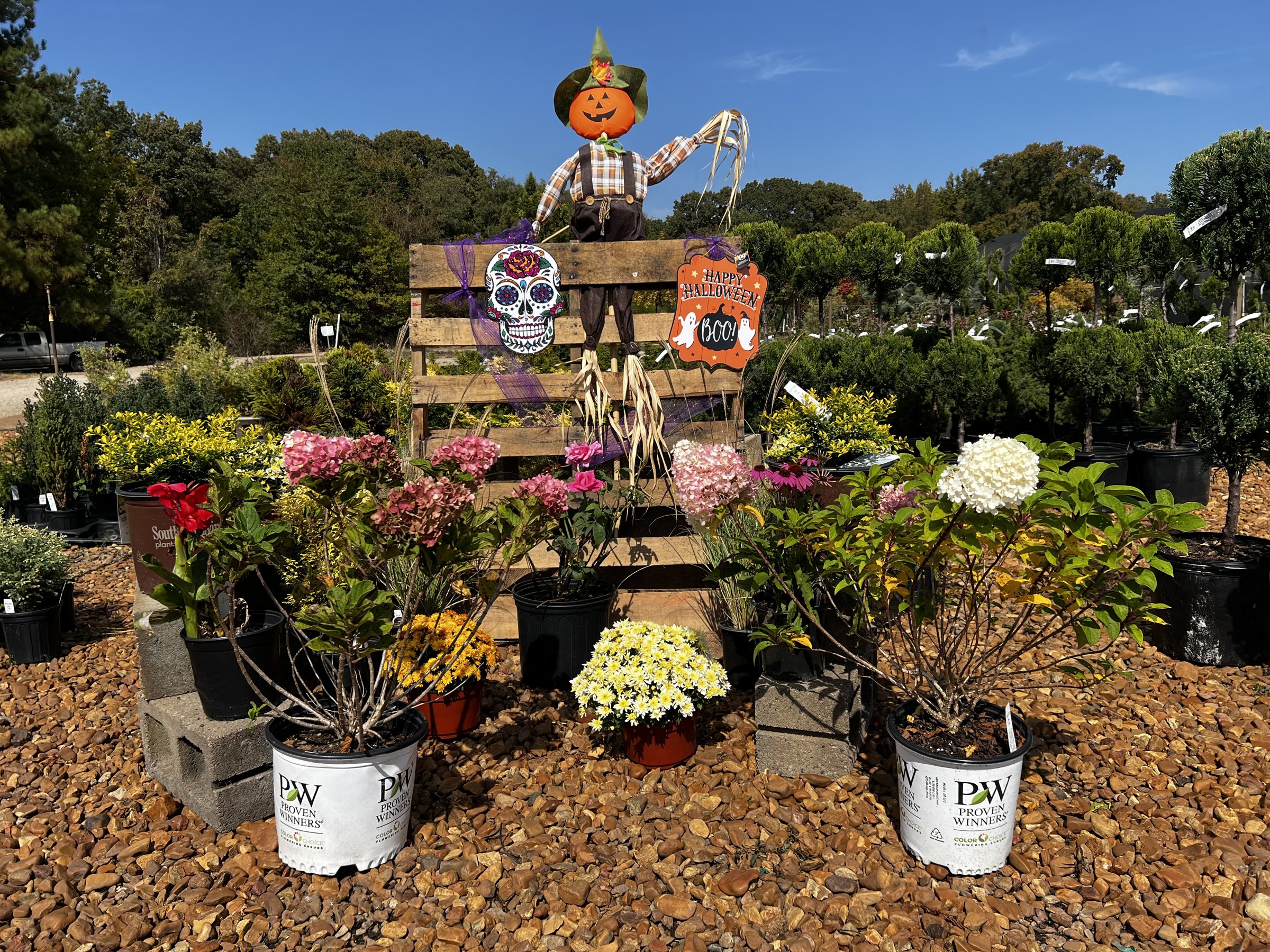
© The Dabney Nursery
Plant: Wee Bit Giddy® Bigleaf Hydrangea
Hydrangea · Hydrangea macrophylla 'Wee Bit Giddy'
Size: 2 gal
Light
Bloom
Mature size
More about this plant
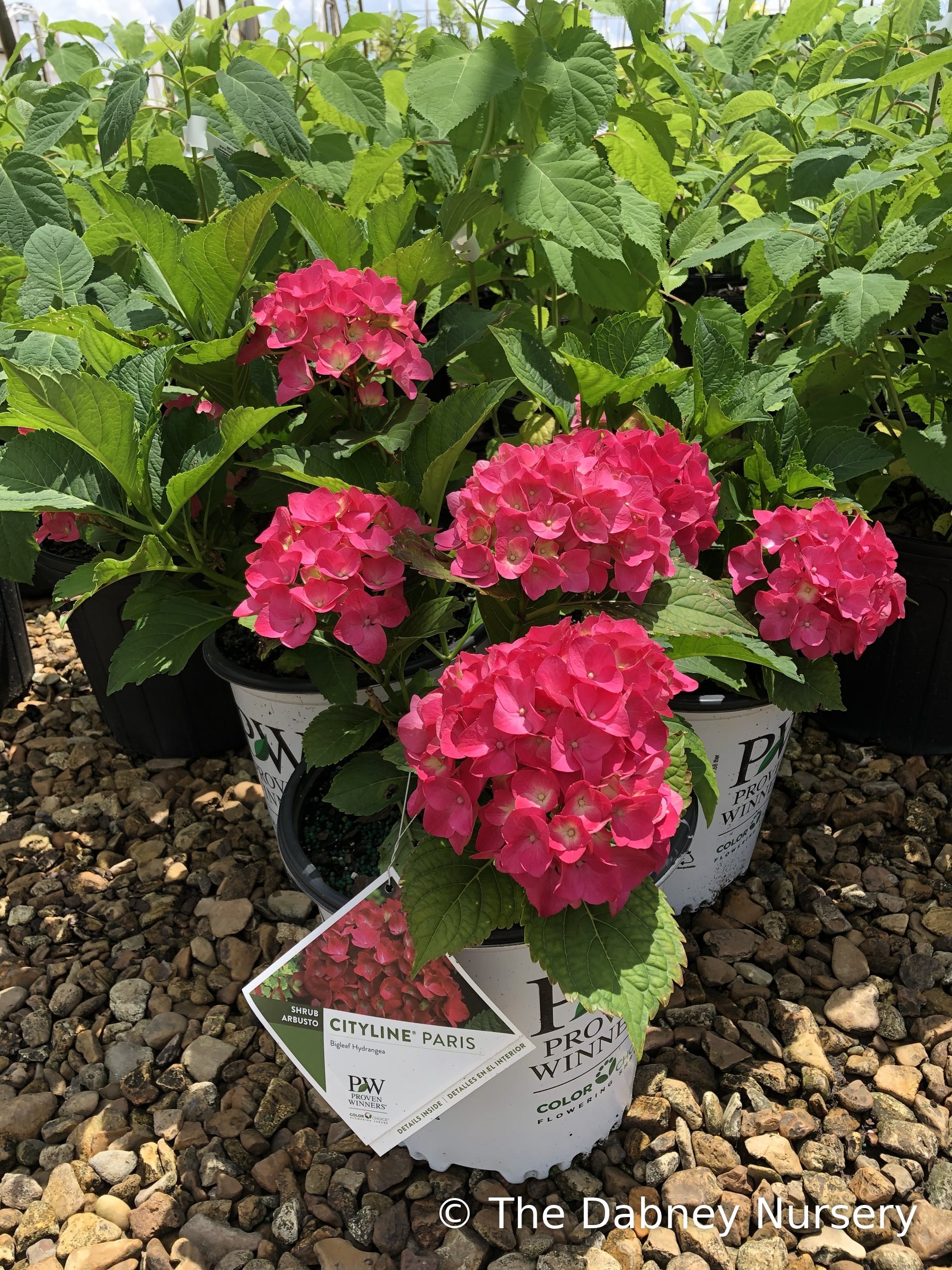
Wee Bit Giddy hydrangea will put a smile on your face - not just because it's absolutely beautiful (though it is!), but because this durable, handsome plant was developed specifically for improved performance in your garden. You might think of it as an improved version of our best-selling Cityline Paris hydrangea, as it shares its same intense red flower color and neat, dwarf habit; however, it adds in the robust durability of Let's Dance Rave hydrangea, which imbues it with outstanding performance in the landscape, even in USDA zones 5 and 6. Later on in the summer, you'll get to enjoy a flush of new wood flowers.
- Part Shade
- Grows to 8 ft tall and 8 ft wide
- Blooms in summer
- Hardy in USDA zones 5-9
- Deciduous foliage
Plant description
Wee Bit Giddy hydrangea will put a smile on your face - not just because it's absolutely beautiful (though it is!), but because this durable, handsome plant was developed specifically for improved performance in your garden. You might think of it as an improved version of our best-selling Cityline Paris hydrangea, as it shares its same intense red flower color and neat, dwarf habit; however, it adds in the robust durability of Let's Dance Rave hydrangea, which imbues it with outstanding performance in the landscape, even in USDA zones 5 and 6. Later on in the summer, you'll get to enjoy a flush of new wood flowers.
- Flowers
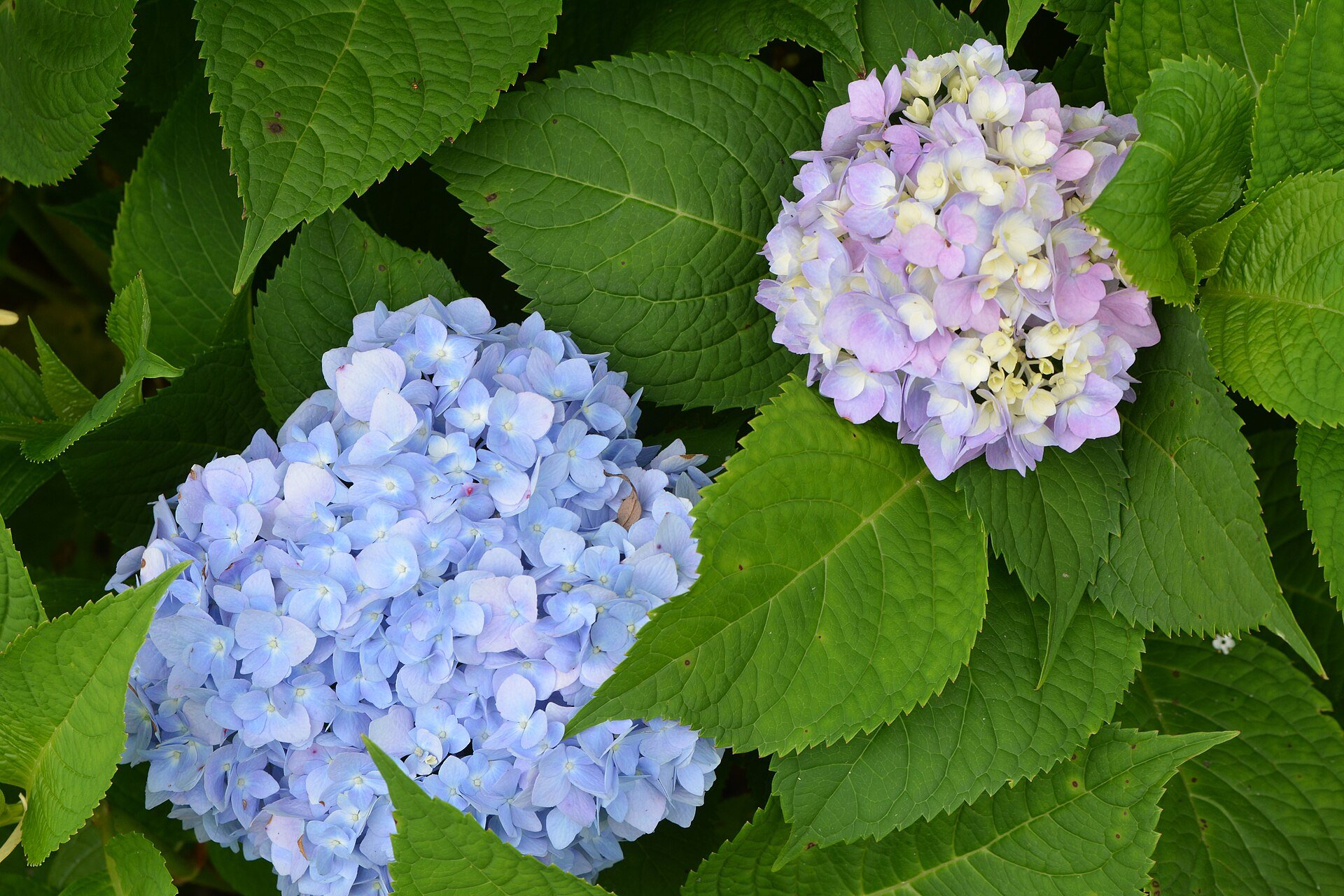
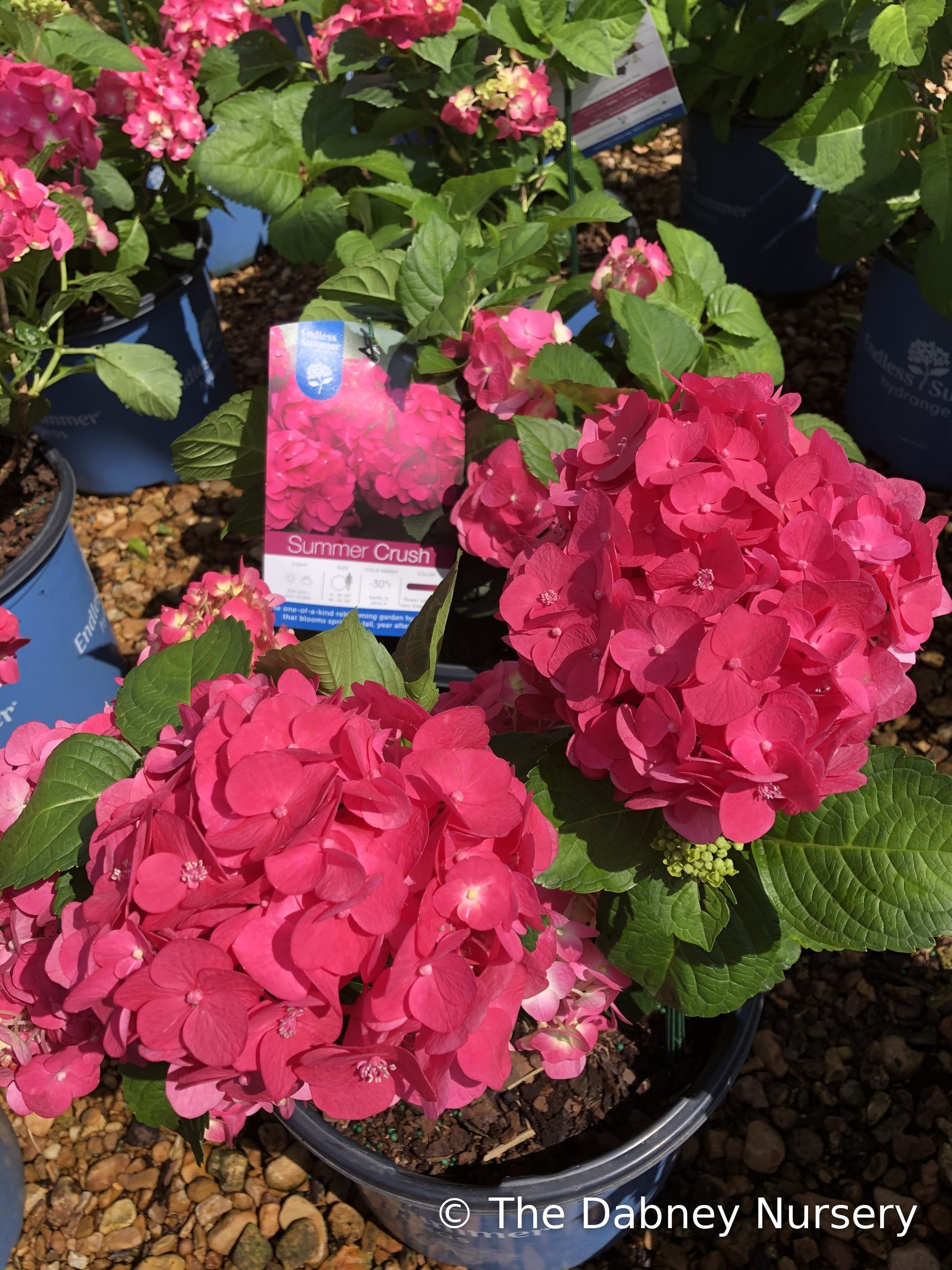
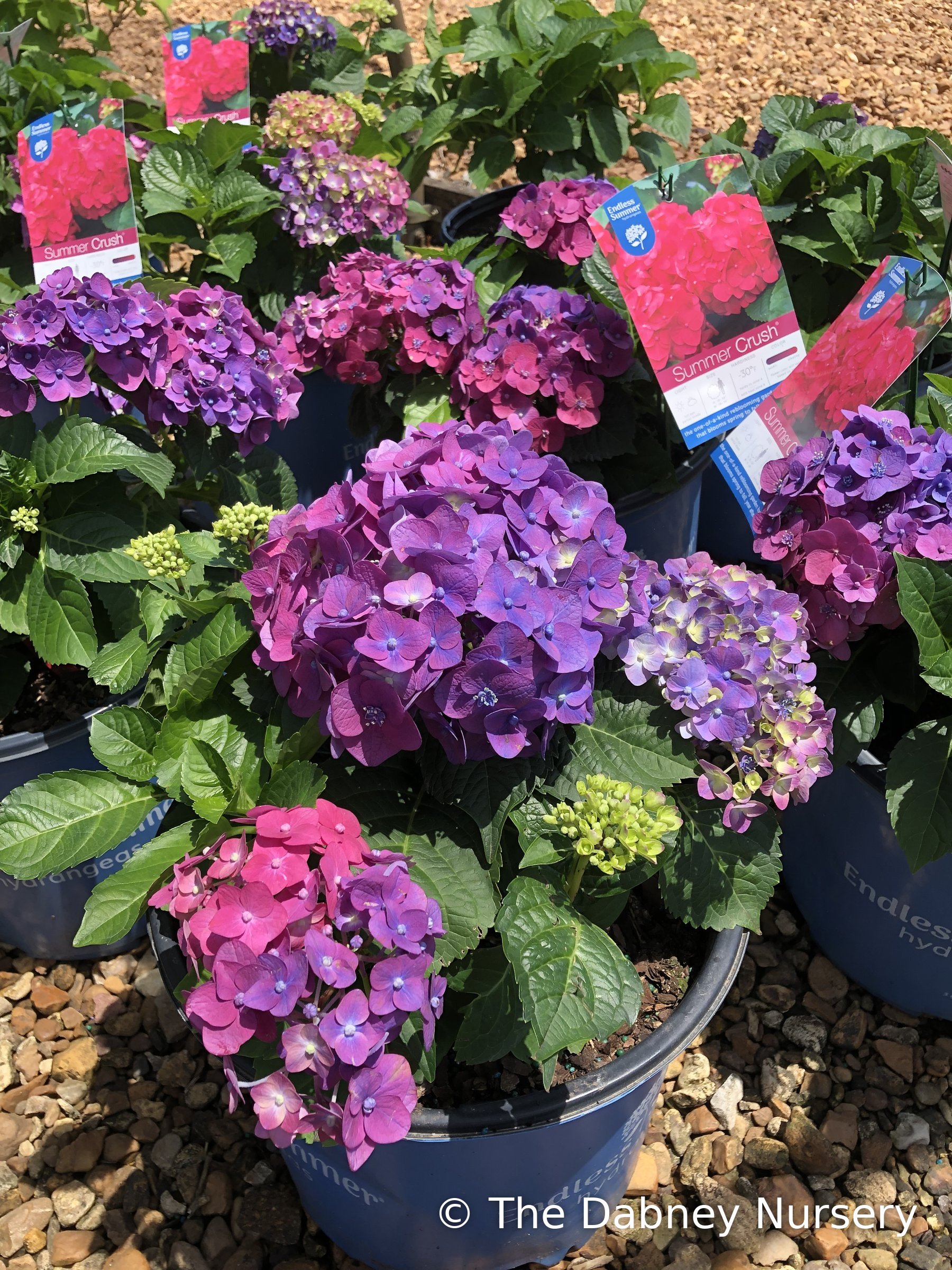
- Intense red mophead blooms that shift toward red-violet in acidic soil, with a later flush of new wood flowers.
- Foliage
- Simple, opposite leaves, obovate to elliptic with a short pointed tip and coarsely toothed edges, 4 to 8 inches long, fleshy and glossy.
- Fruit
- Small cup-like capsules, displayed in fall.
- Bark & stems
- Light brown to tan stems with large leaf scars; the stems emerge from the ground and rarely branch.
- Light
- Morning Sun, Dappled/Filtered Light
- Pruning
- Generally avoid pruning; remove winter-damaged portions in spring.
- Native range
- Japan, China, Korea and Southeast Asia