Plant: Powerball® Panicle Hydrangea
Hydrangea · Hydrangea paniculata 'Powerball'
Size: 3 gal
Light
Bloom
Mature size
More about this plant
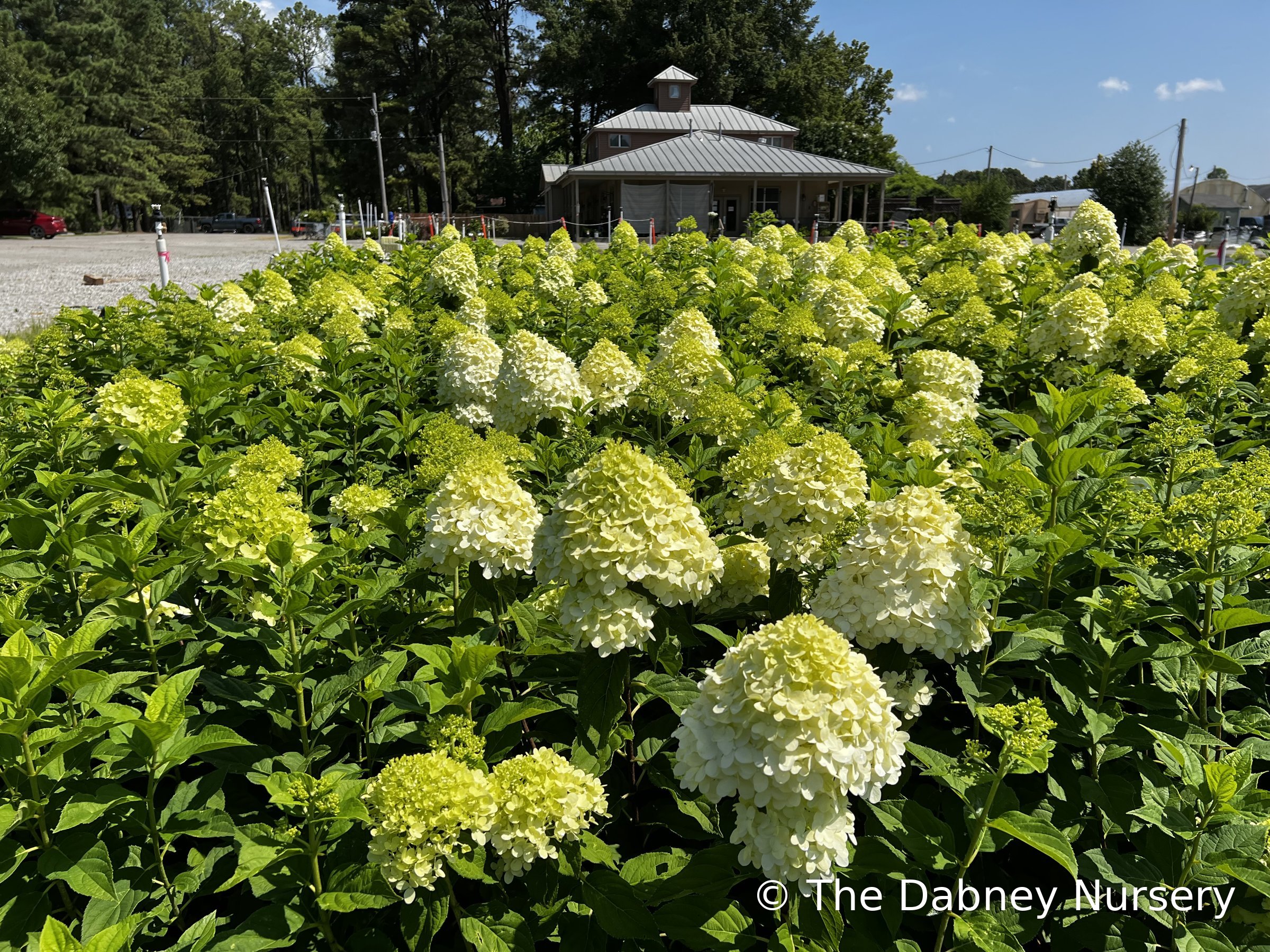
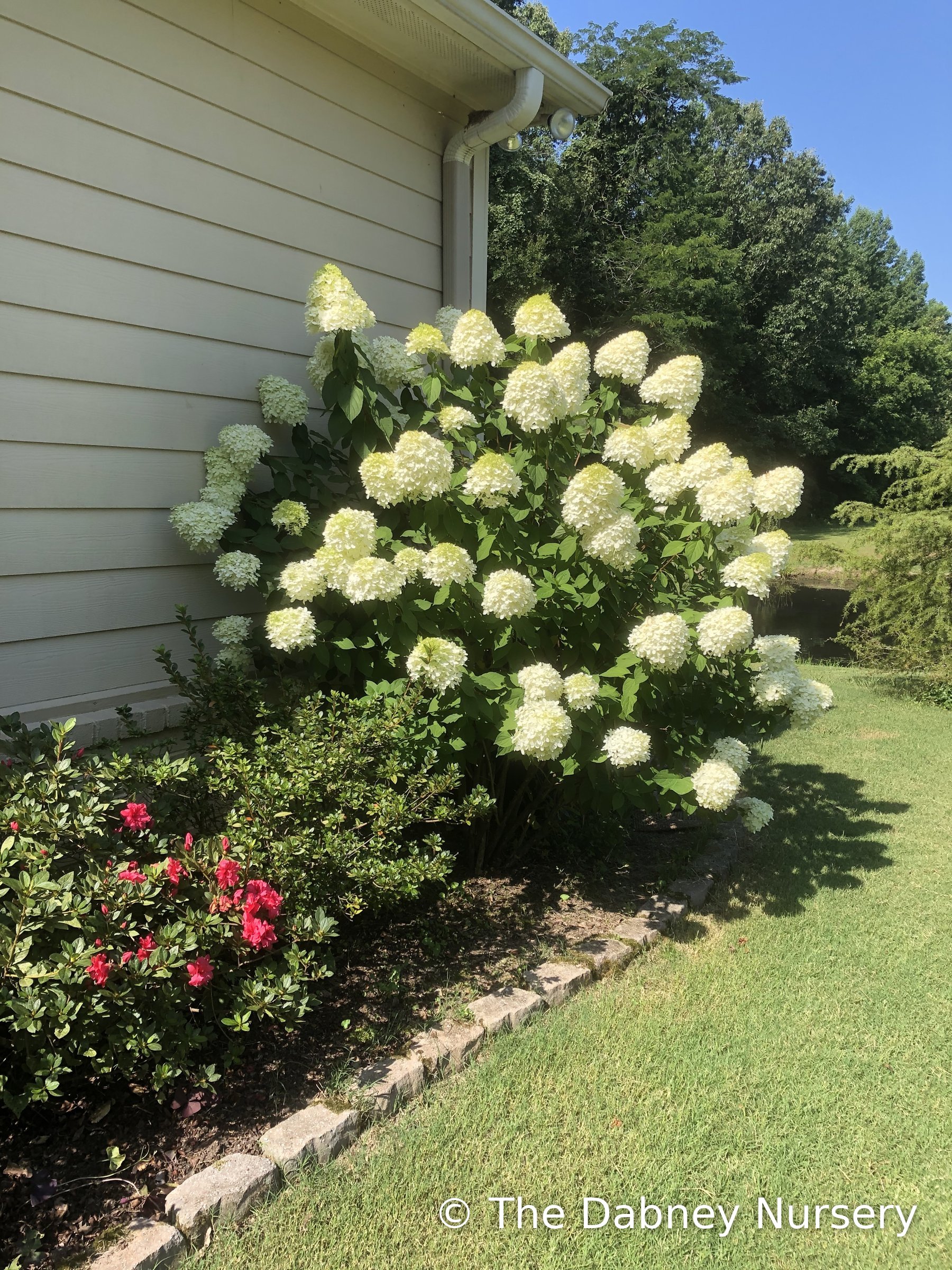
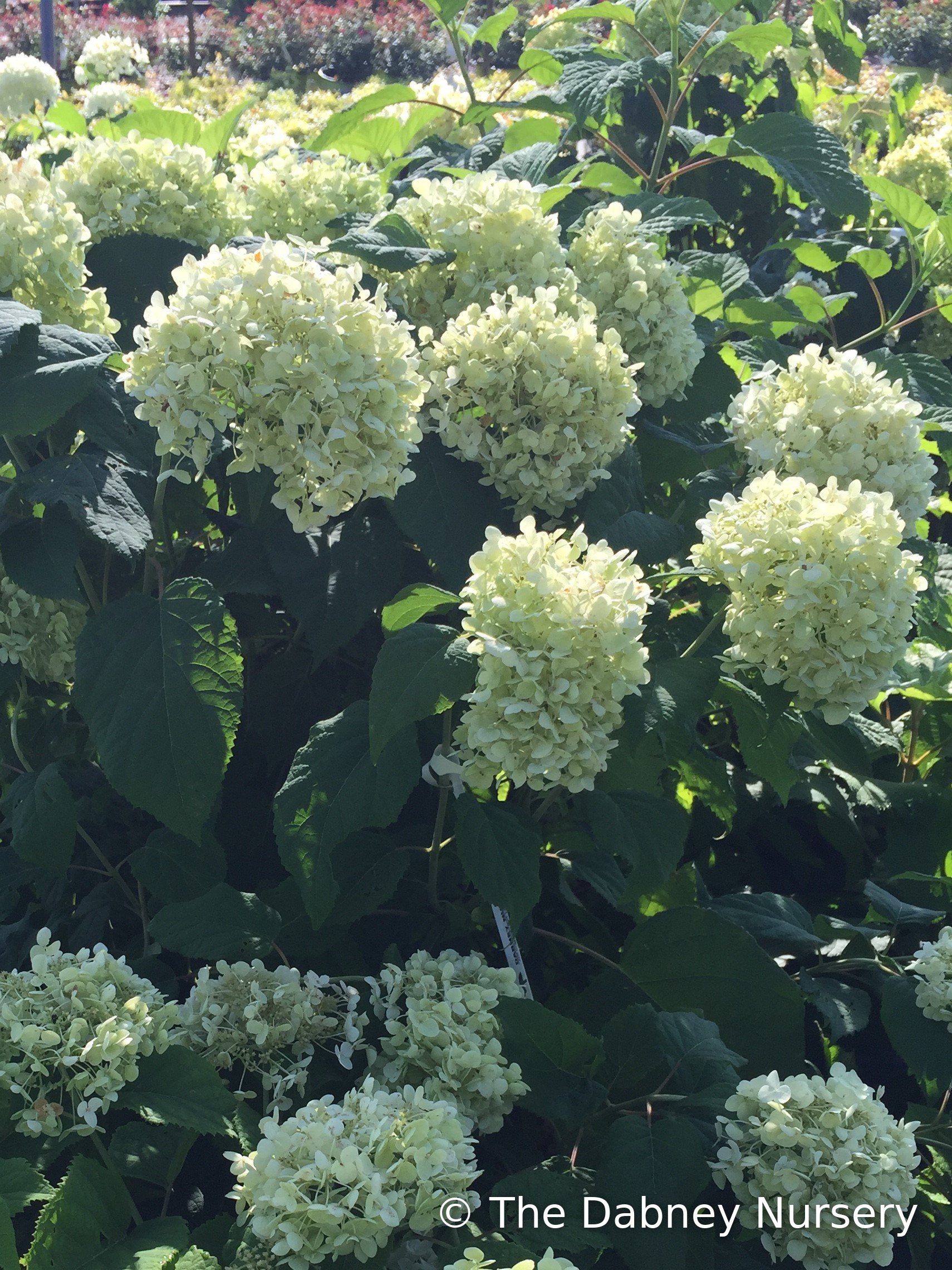
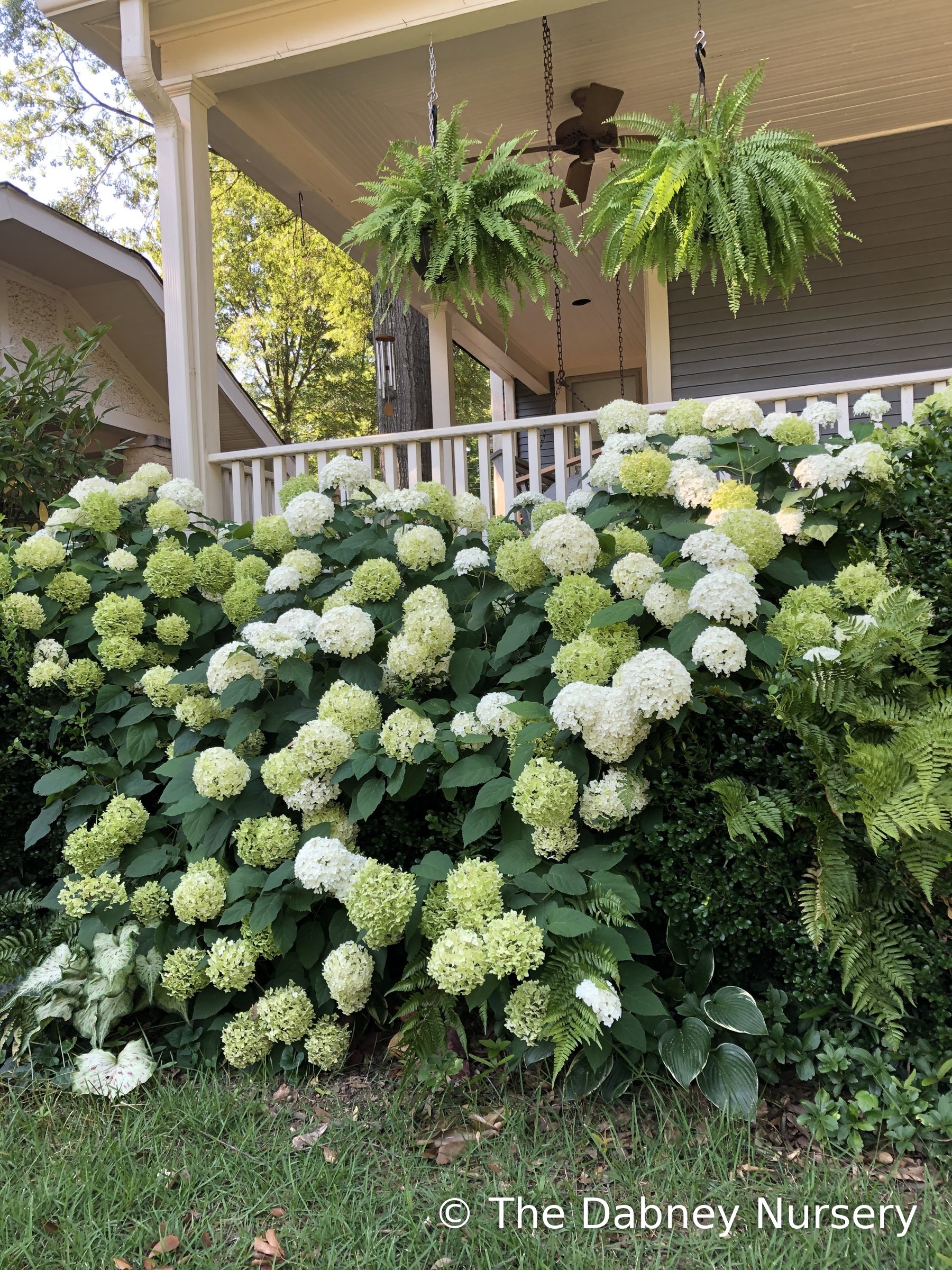
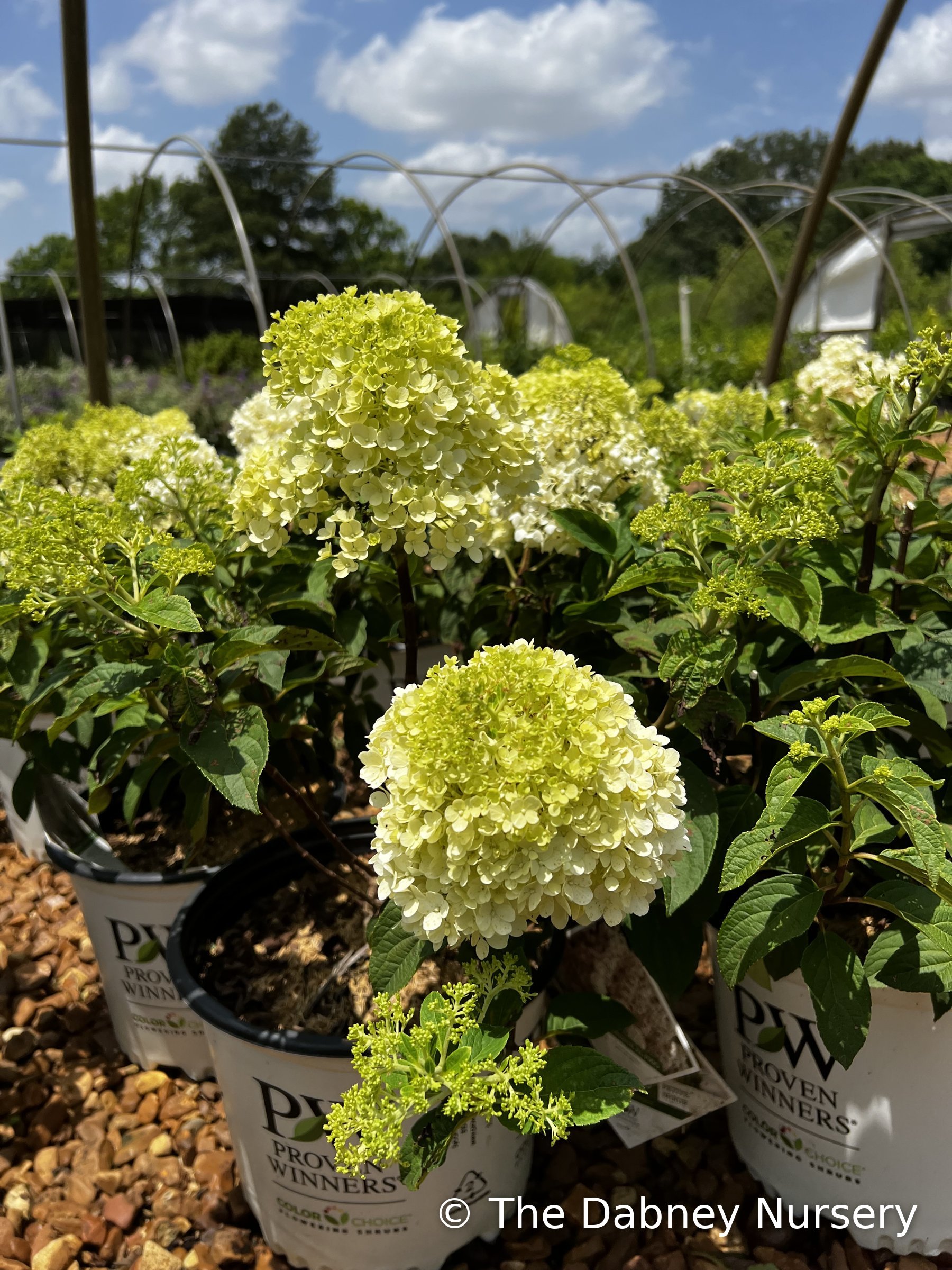
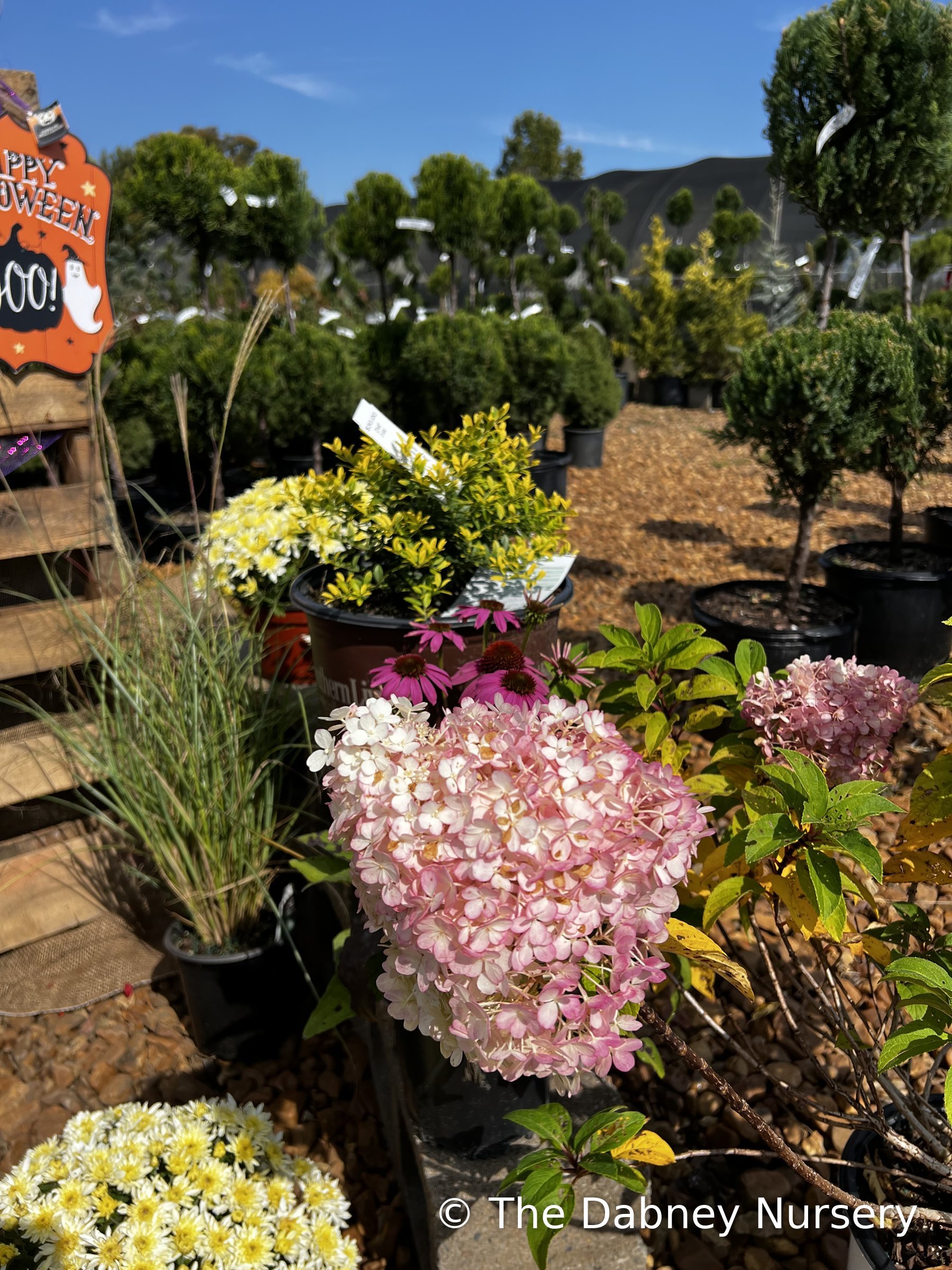
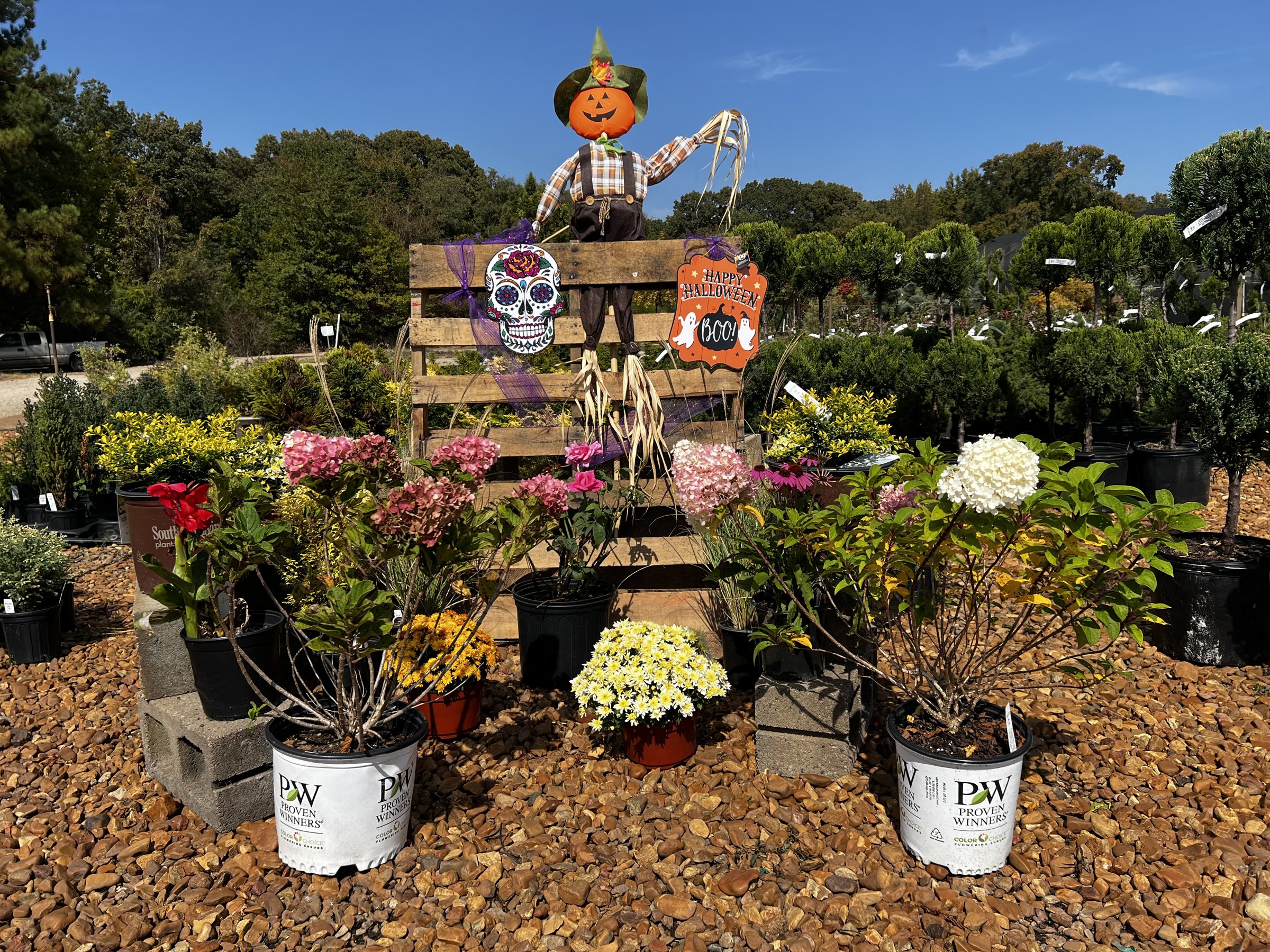
An upright panicle hydrangea of roughly 3 to 6 feet tall and wide carrying large, nearly round blooms packed with dense florets. The flowers emerge lime green, turn white, and mature to soft pinks in fall, holding from summer into autumn. Give it part sun to full sun and well drained soil with average moisture; Proven Winners advise against amending the soil at planting. Cut the main branches back by about one third in late winter or early spring. It thrives in the middle of a border, in mass plantings, or even in containers, and the blooms hold well fresh or dried.
- Full Sun
- Grows to 6 ft tall and 6 ft wide
- Blooms in summer, fall
- Hardy in USDA zones 3-9
- Deciduous foliage
Plant description
An upright panicle hydrangea of roughly 3 to 6 feet tall and wide carrying large, nearly round blooms packed with dense florets. The flowers emerge lime green, turn white, and mature to soft pinks in fall, holding from summer into autumn. Give it part sun to full sun and well drained soil with average moisture; Proven Winners advise against amending the soil at planting. Cut the main branches back by about one third in late winter or early spring. It thrives in the middle of a border, in mass plantings, or even in containers, and the blooms hold well fresh or dried.
- Flowers
- Large, nearly round blooms with densely packed florets that emerge lime green, turn white, and mature to soft pinks in fall.
- Foliage
- Opposite, simple, oval to ovate leaves, dark green above and lighter beneath, with serrate margins.
- Fruit
- A small brownish-pink dehiscent capsule, under 1 inch, showing in summer and fall.
- Bark & stems
- Grayish-brown, irregularly furrowed and shredding when mature.
- Light
- Morning Sun
- Pruning
- Prune by cutting back the main branches by one third in late winter or early spring.
- Native range
- Eastern and southern China, Japan, Sakhalin, Taiwan and Kuril Island