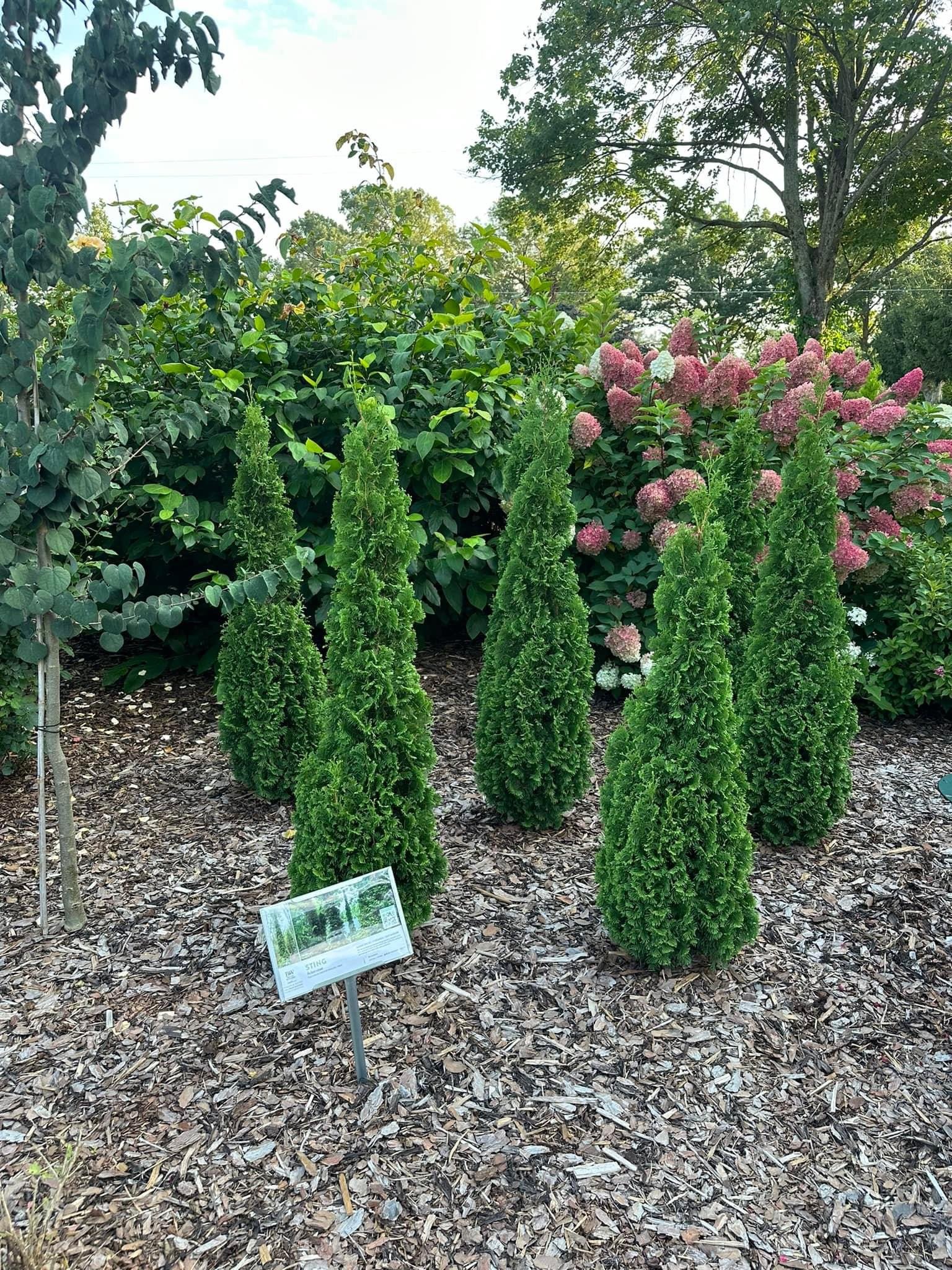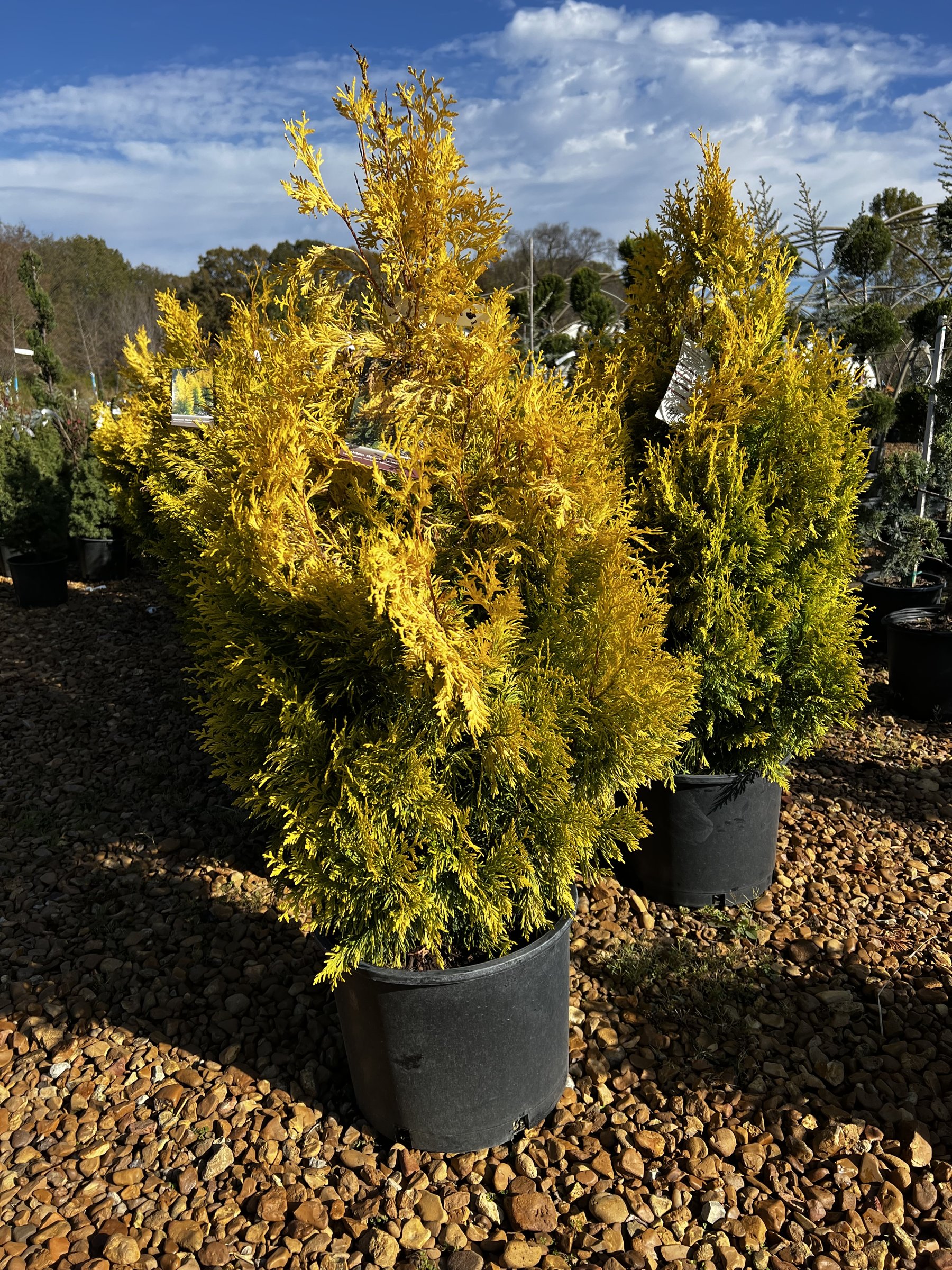


Plant: DeGroot's Spire - Arborvitae
Arborvitae · Thuja occidentalis 'DeGroot's Spire'
Size: 3 gal
Light
Mature size
More about this plant
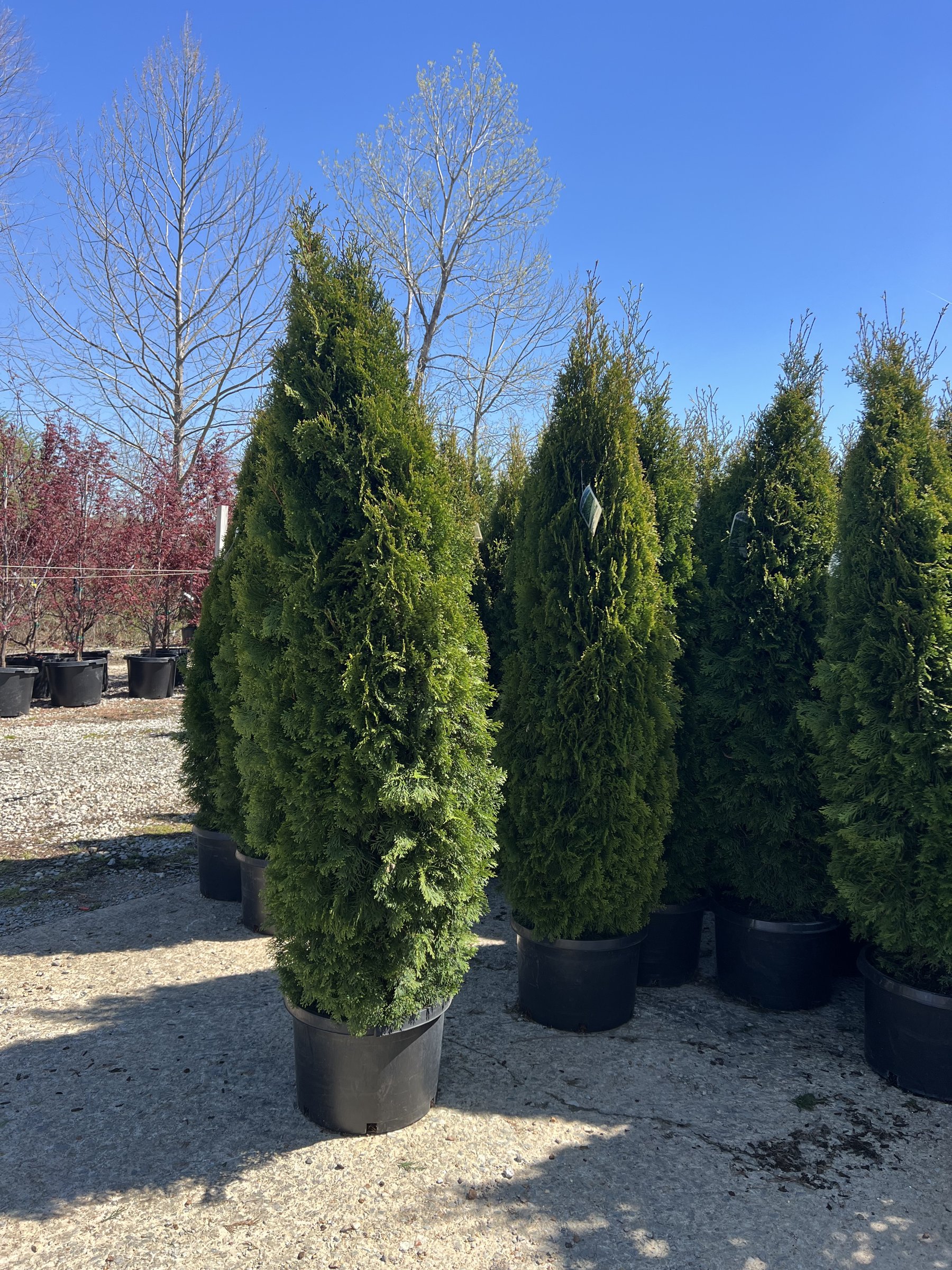
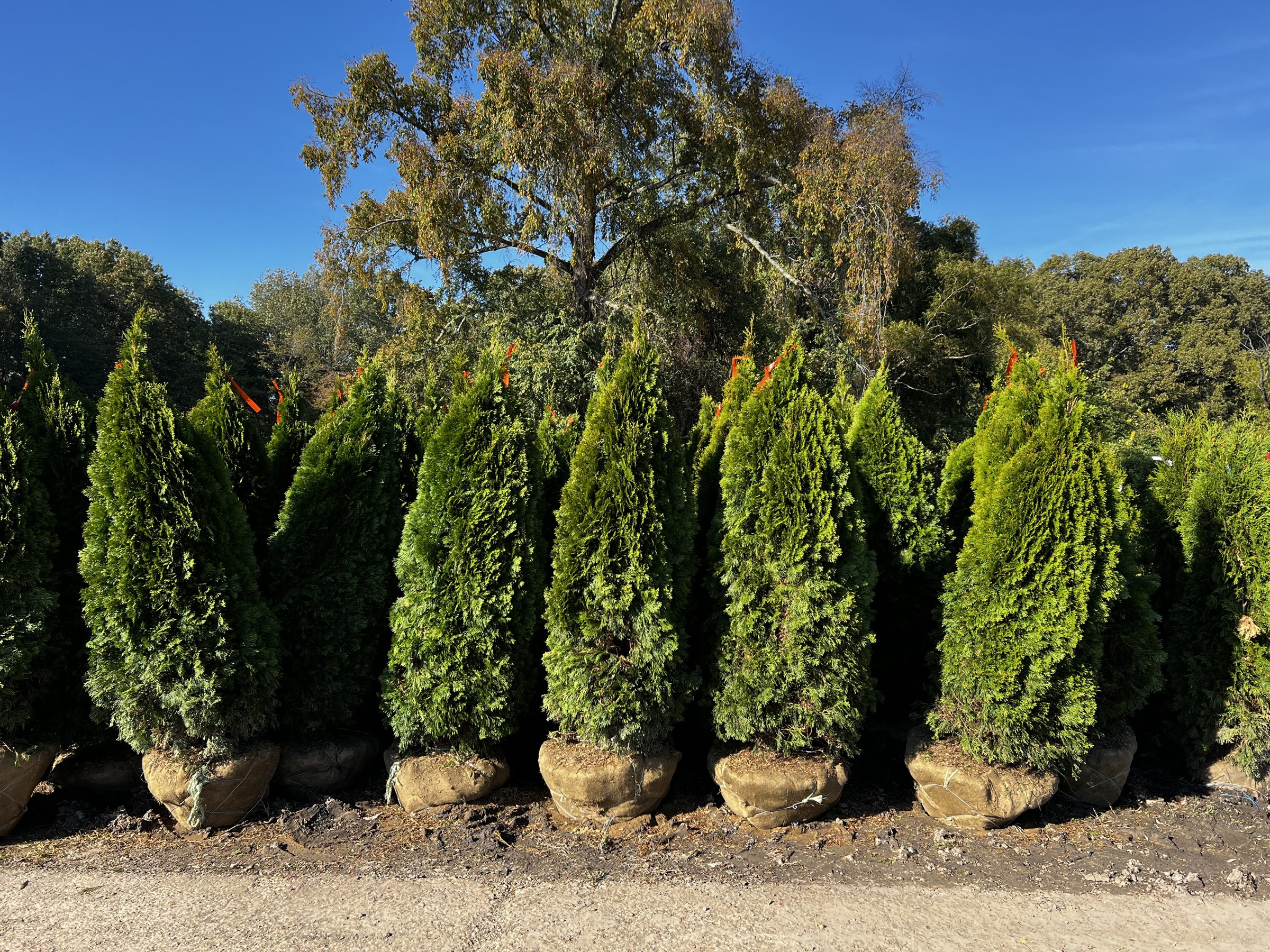
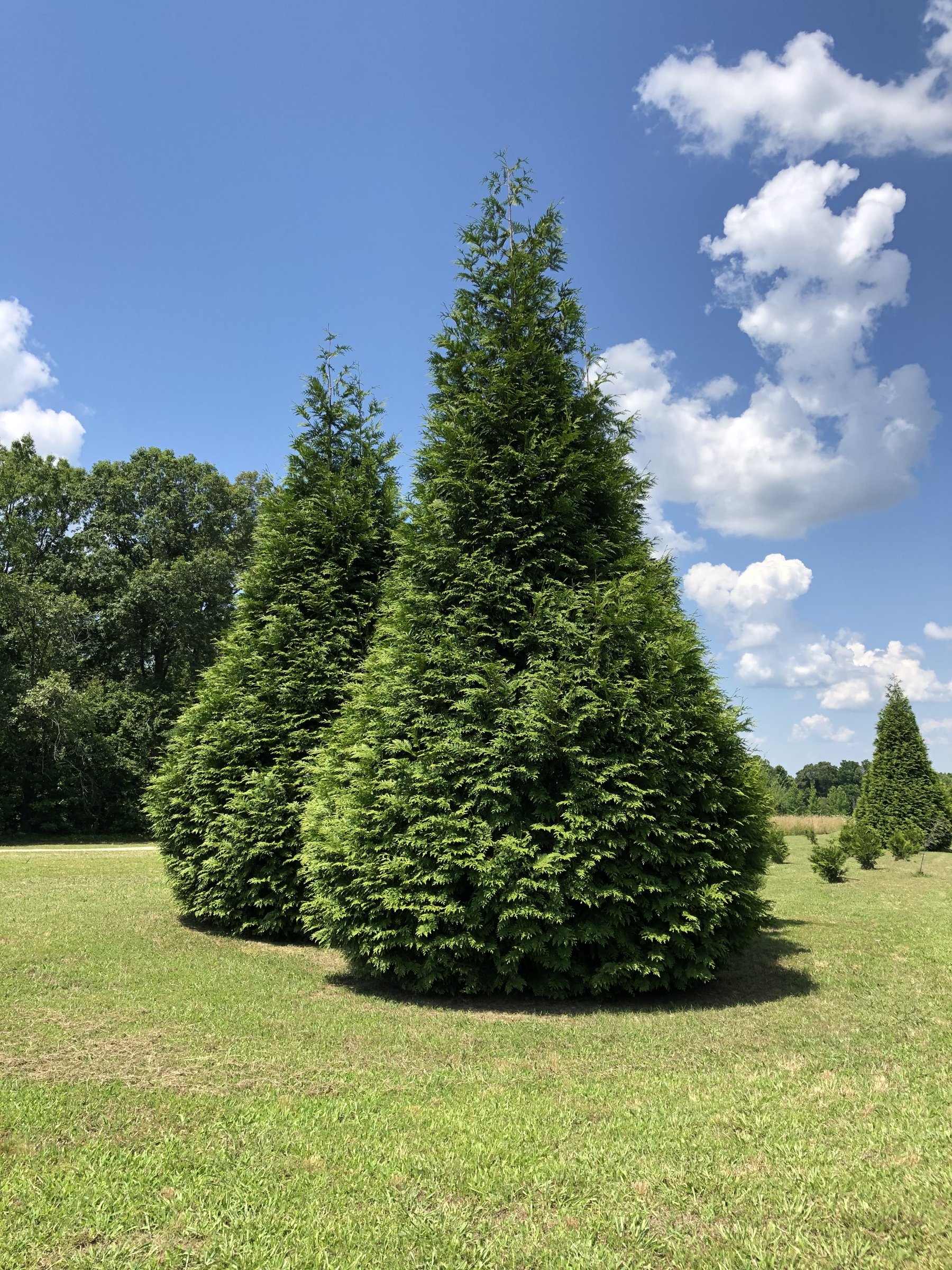
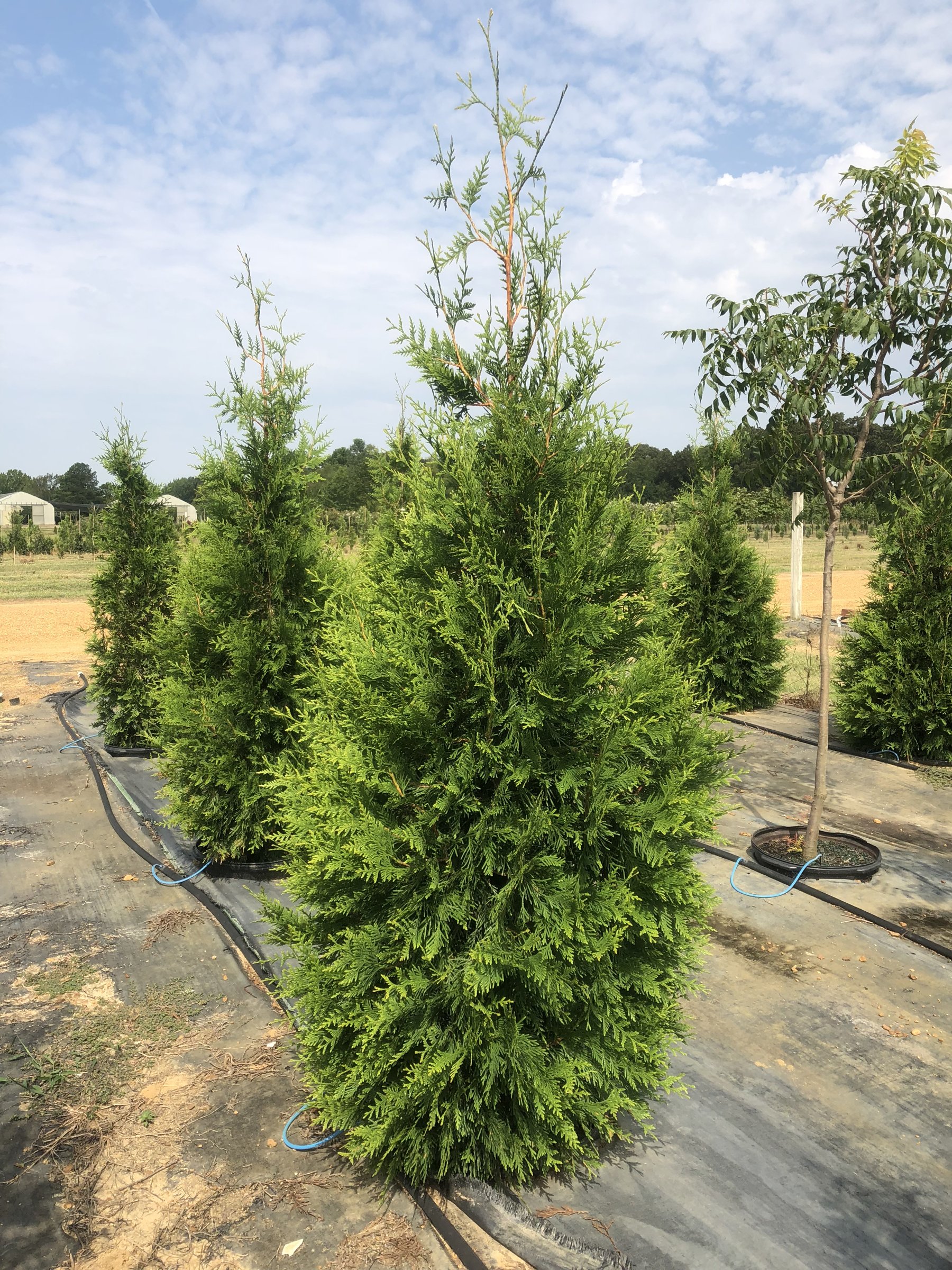
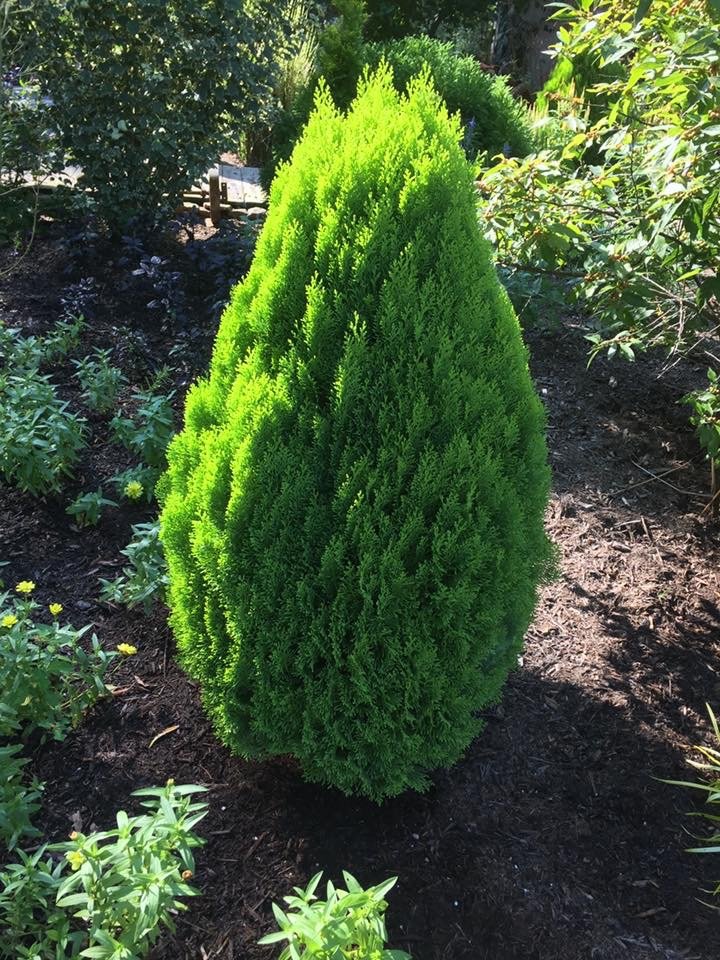
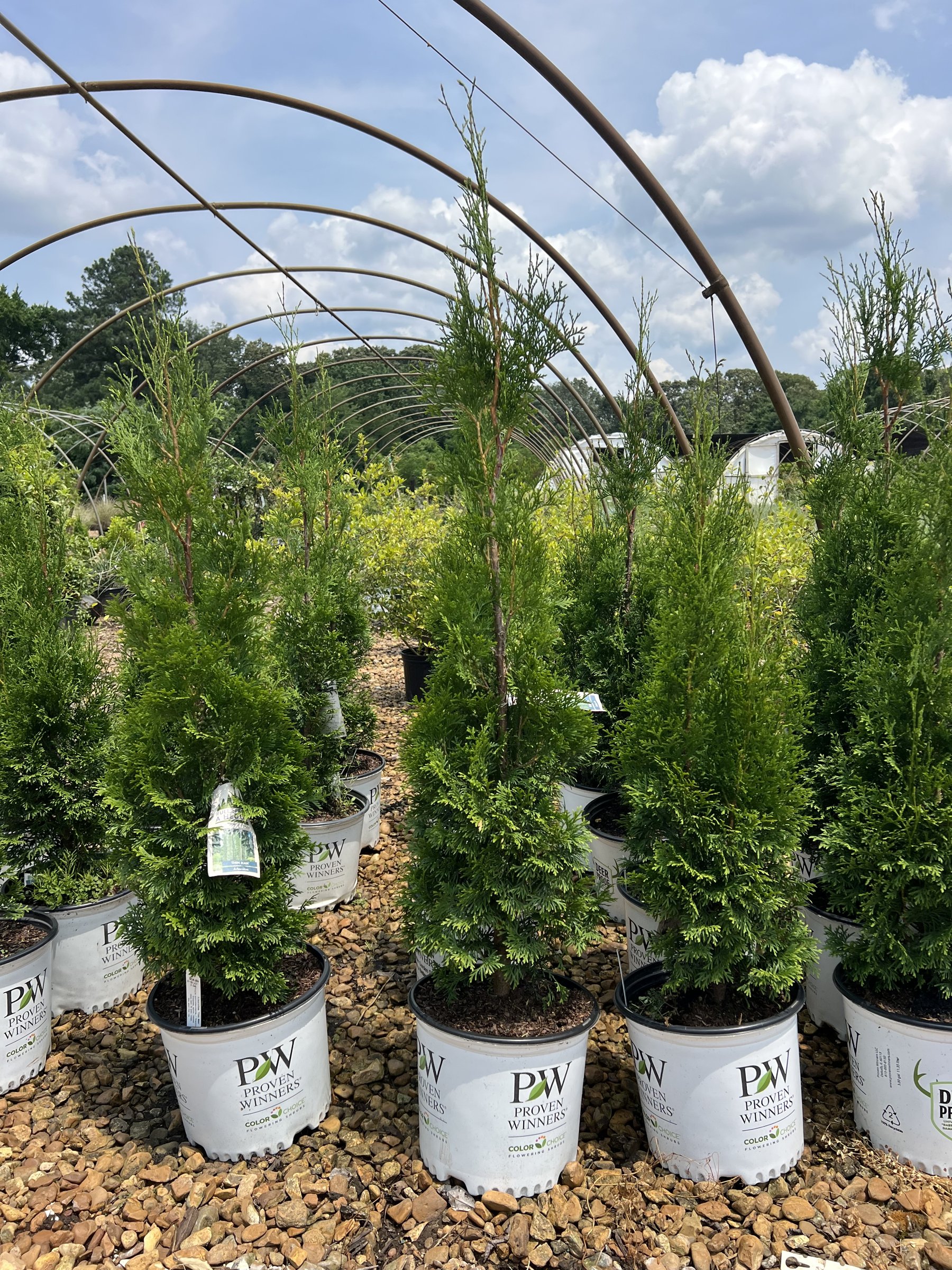
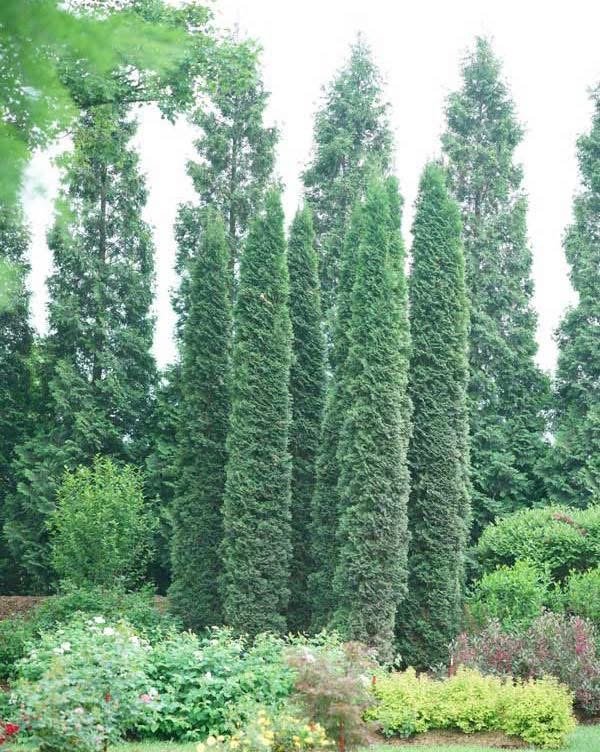
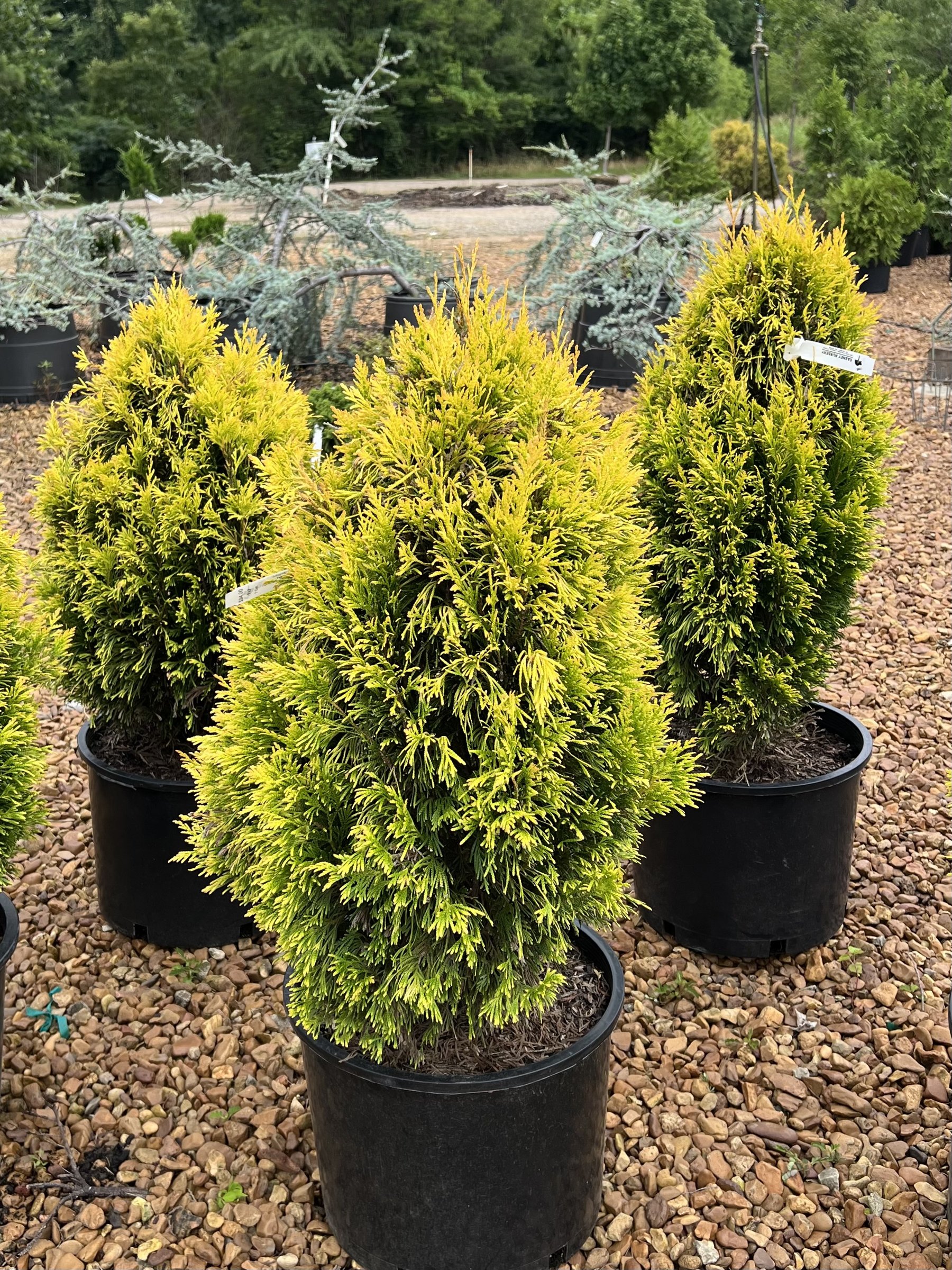
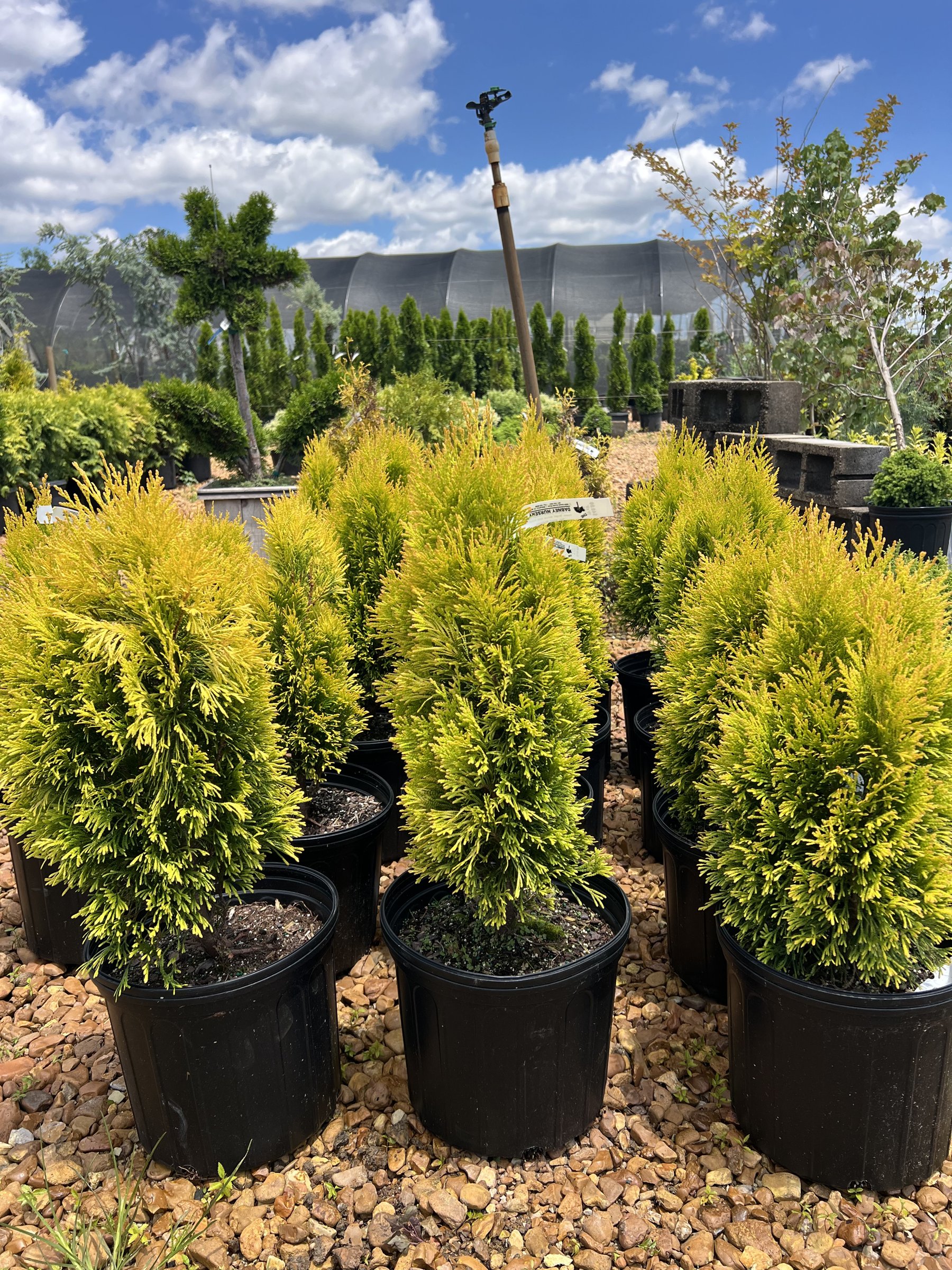
American arborvitae is a slow growing, dense, pyramidal needled evergreen in the cypress family, native from central and eastern Canada south through the eastern United States. Its scale-like leaves are borne in overlapping opposite pairs that form flat sprays, darker green above and paler below, turning bronze in winter, and small oblong light brown cones about half an inch long ripen in summer. The grayish to reddish brown bark is shallowly furrowed and exfoliates on mature branches and trunks. Grow it in full sun to partial shade in moist, well drained clay or loam of neutral to alkaline pH; it tolerates clay soil, wet sites, black walnut and air pollution. It works as a hedge, screen, foundation planting or specimen and gives songbirds nesting sites and winter cover. Deer browsing can be a serious problem.
- Full Sun
- Grows to 25 ft tall and 12 ft wide
- Hardy in USDA zones 3-7
- Evergreen foliage
- Native plant
Plant description
American arborvitae is a slow growing, dense, pyramidal needled evergreen in the cypress family, native from central and eastern Canada south through the eastern United States. Its scale-like leaves are borne in overlapping opposite pairs that form flat sprays, darker green above and paler below, turning bronze in winter, and small oblong light brown cones about half an inch long ripen in summer. The grayish to reddish brown bark is shallowly furrowed and exfoliates on mature branches and trunks. Grow it in full sun to partial shade in moist, well drained clay or loam of neutral to alkaline pH; it tolerates clay soil, wet sites, black walnut and air pollution. It works as a hedge, screen, foundation planting or specimen and gives songbirds nesting sites and winter cover. Deer browsing can be a serious problem.
- Foliage
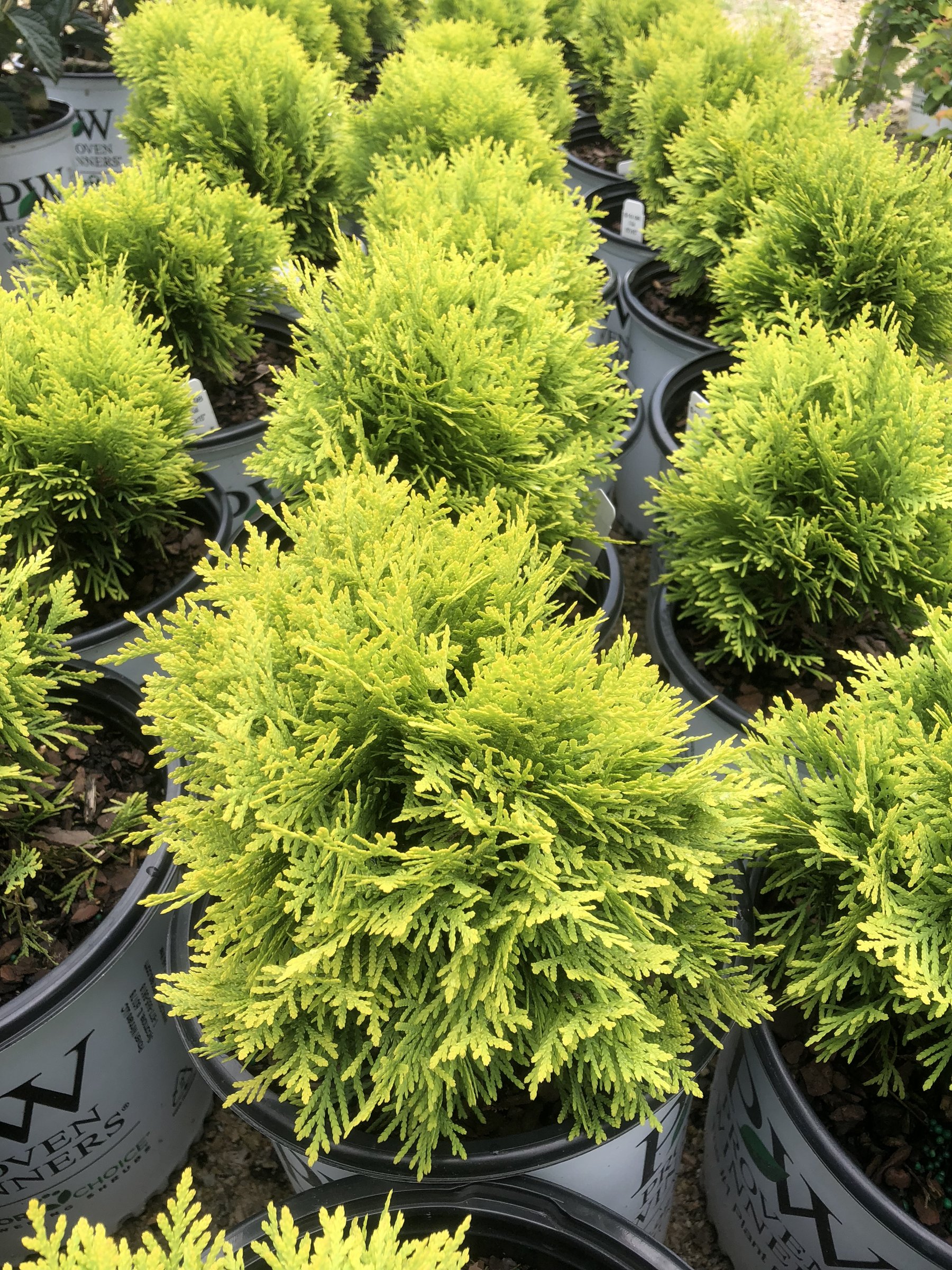
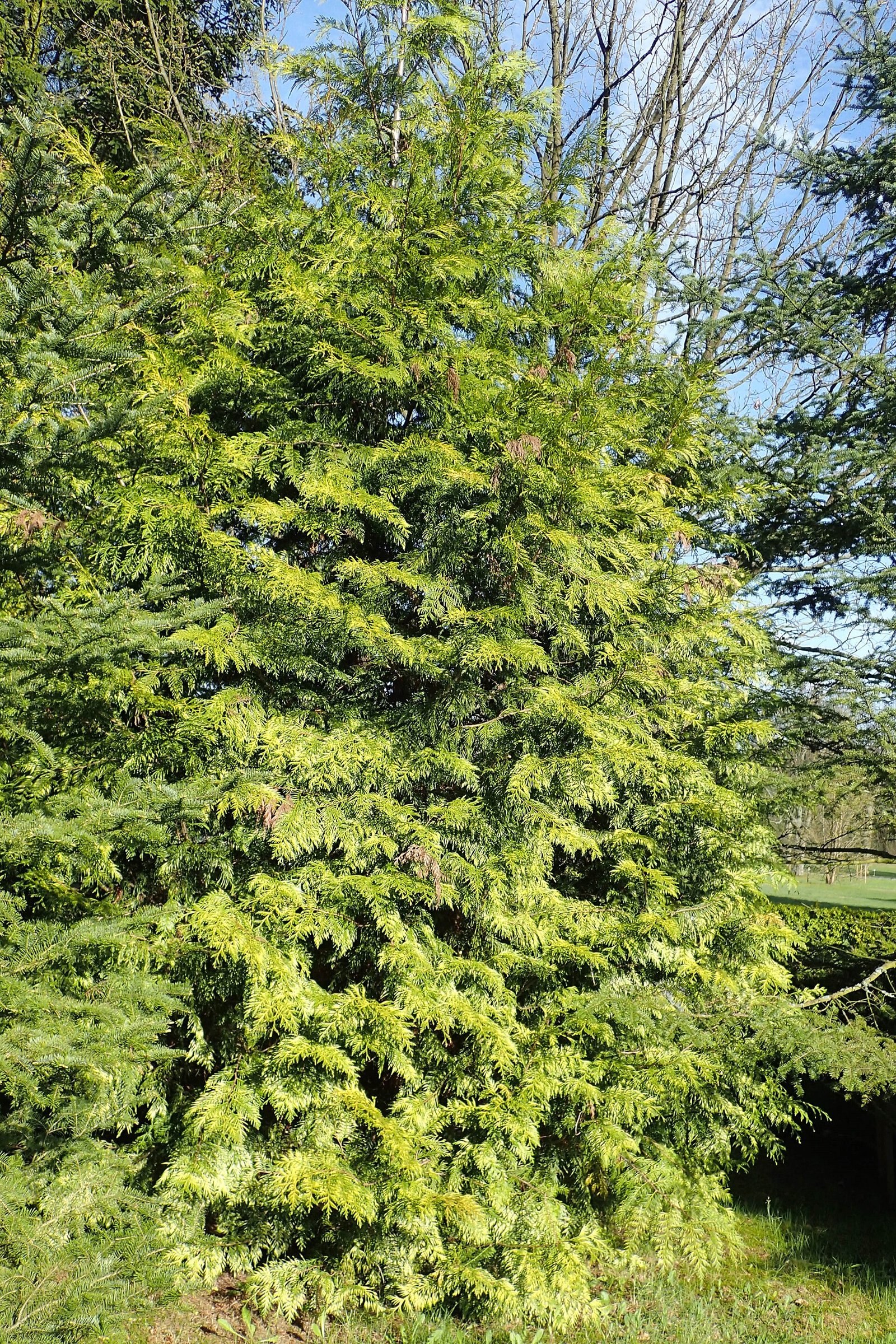
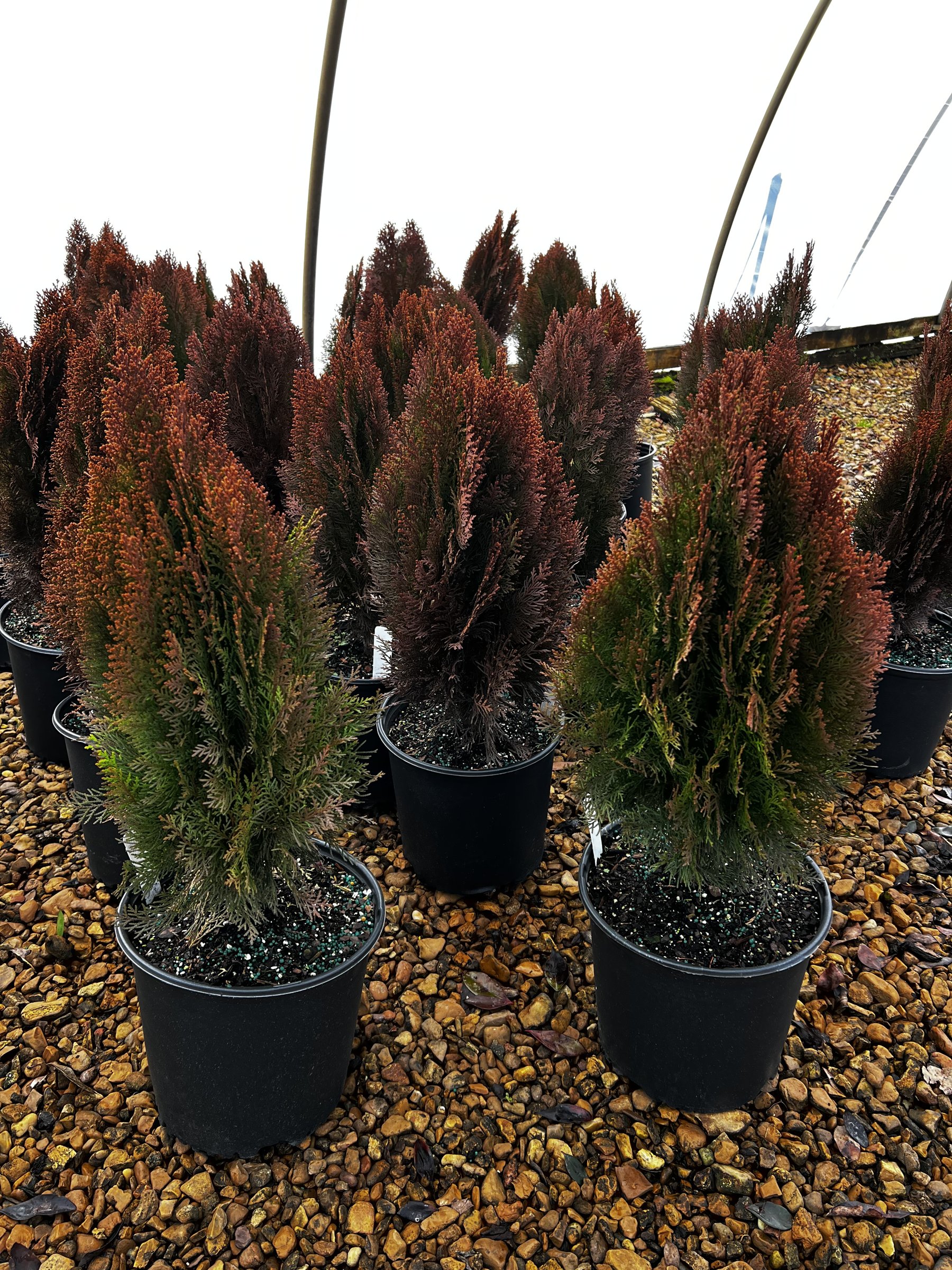
- Scale-like in adults, ovate and obtuse to bluntly acute, yellowish green to grayish green below with a pustular gland near the apex, appressed to the branchlets in overlapping opposite pairs, darker green above and paler below, appearing bronze coloured during the winter months.
- Fruit
- The cone is oblong and light brown, 1/3 to 1/2 inch long, and yellow when young.
- Bark & stems
- The attractive grayish brown to reddish brown bark has shallow furrows and exfoliates on the branches and trunks of mature trees; the tree has a dominant trunk.
- Native range
- Central & E. Canada to N. Central and Eastern North America