Plant: Debbie's Dainty - Chamaecyparis
Chamaecyparis · Chamaecyparis obtusa 'Debbie's Dainty'
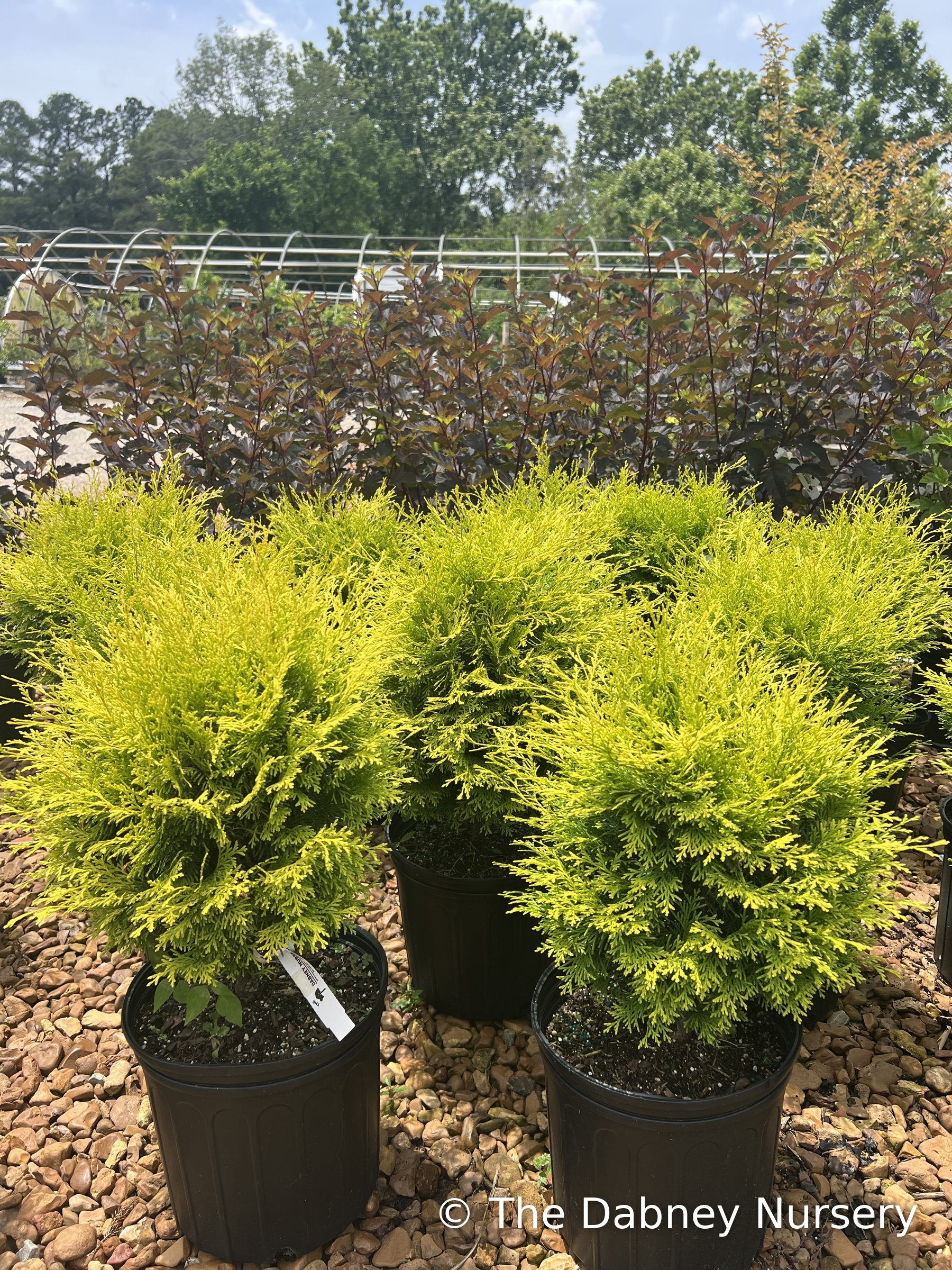
Size: 1 gal
Light
Mature size
More about this plant
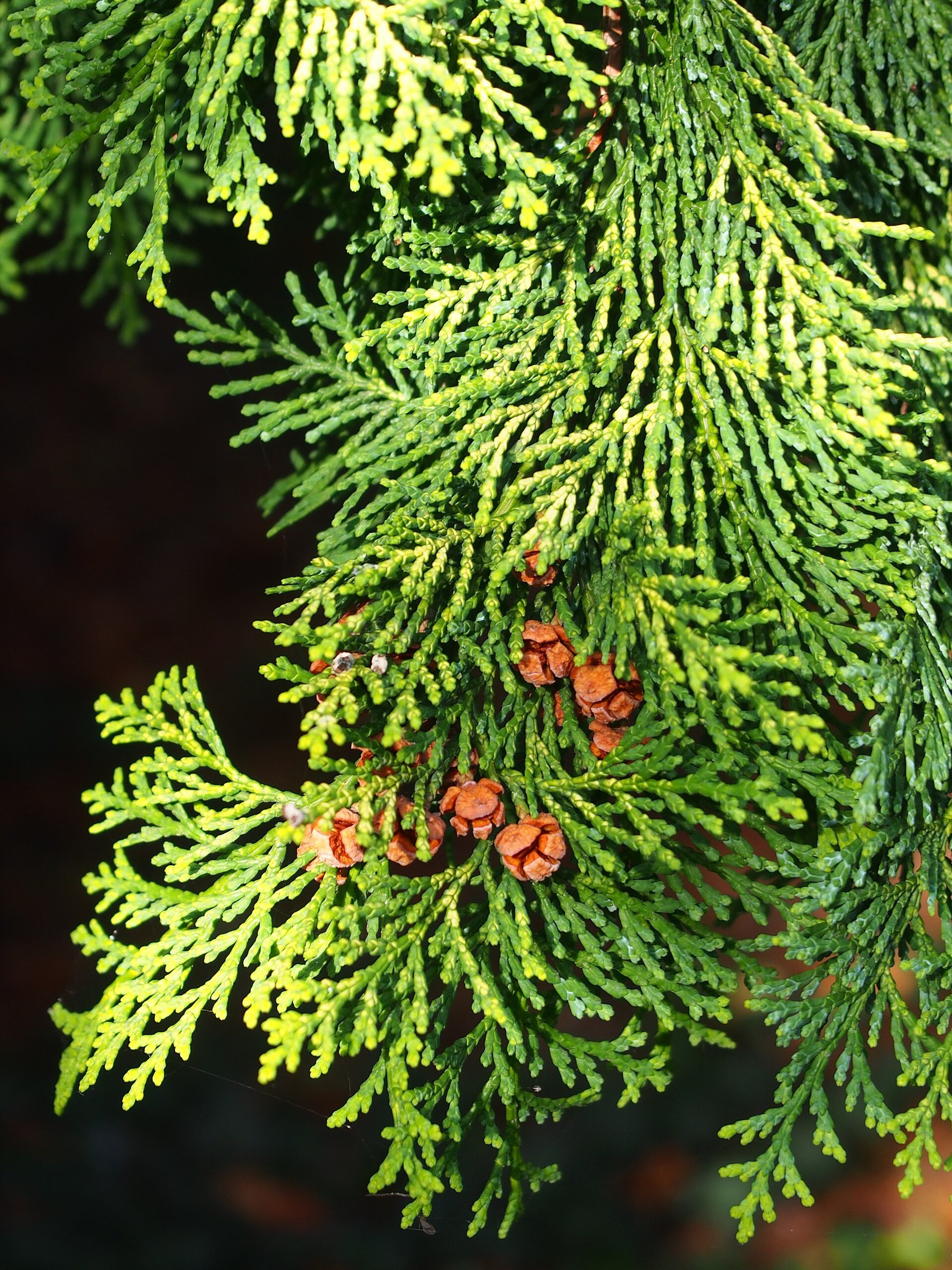
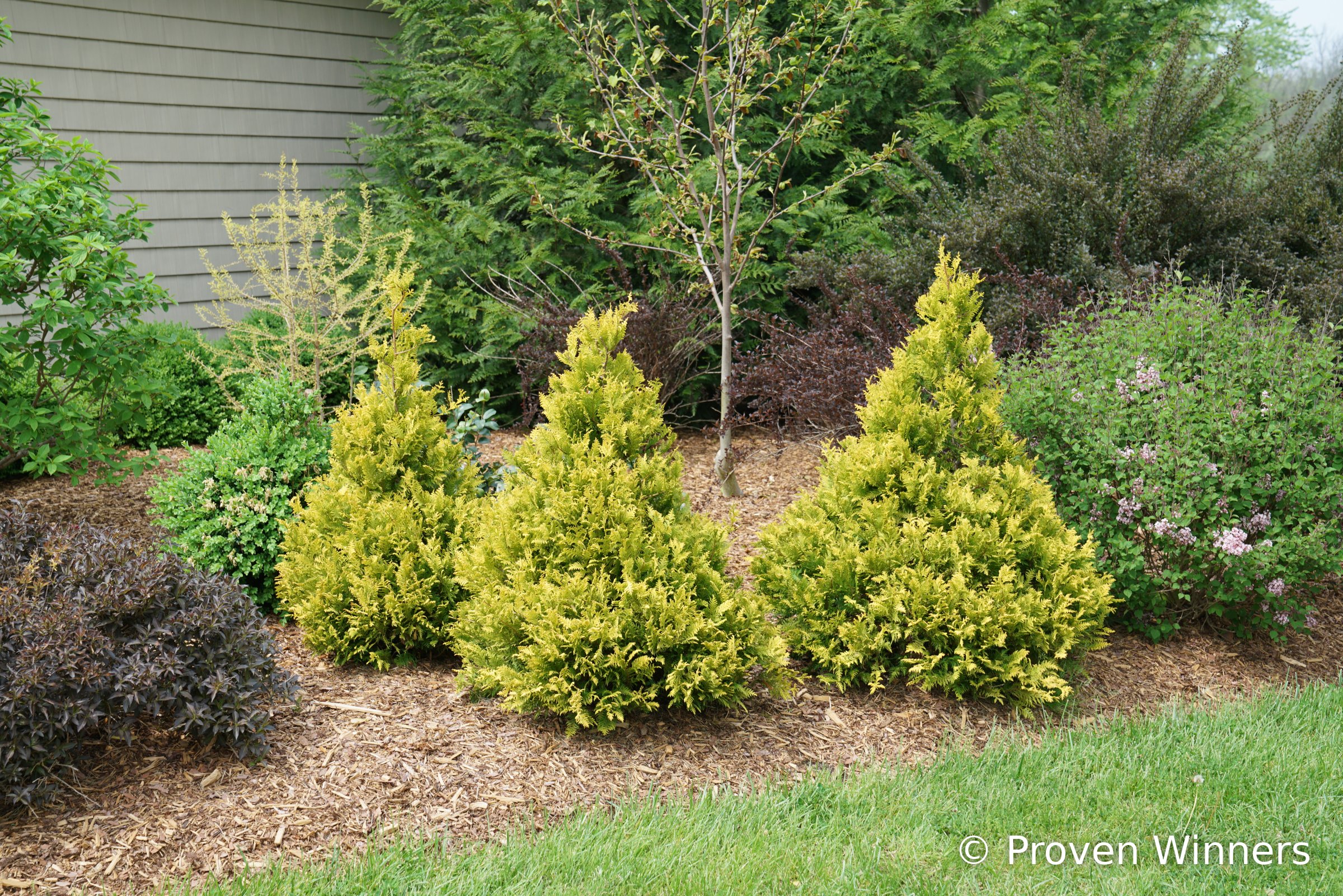
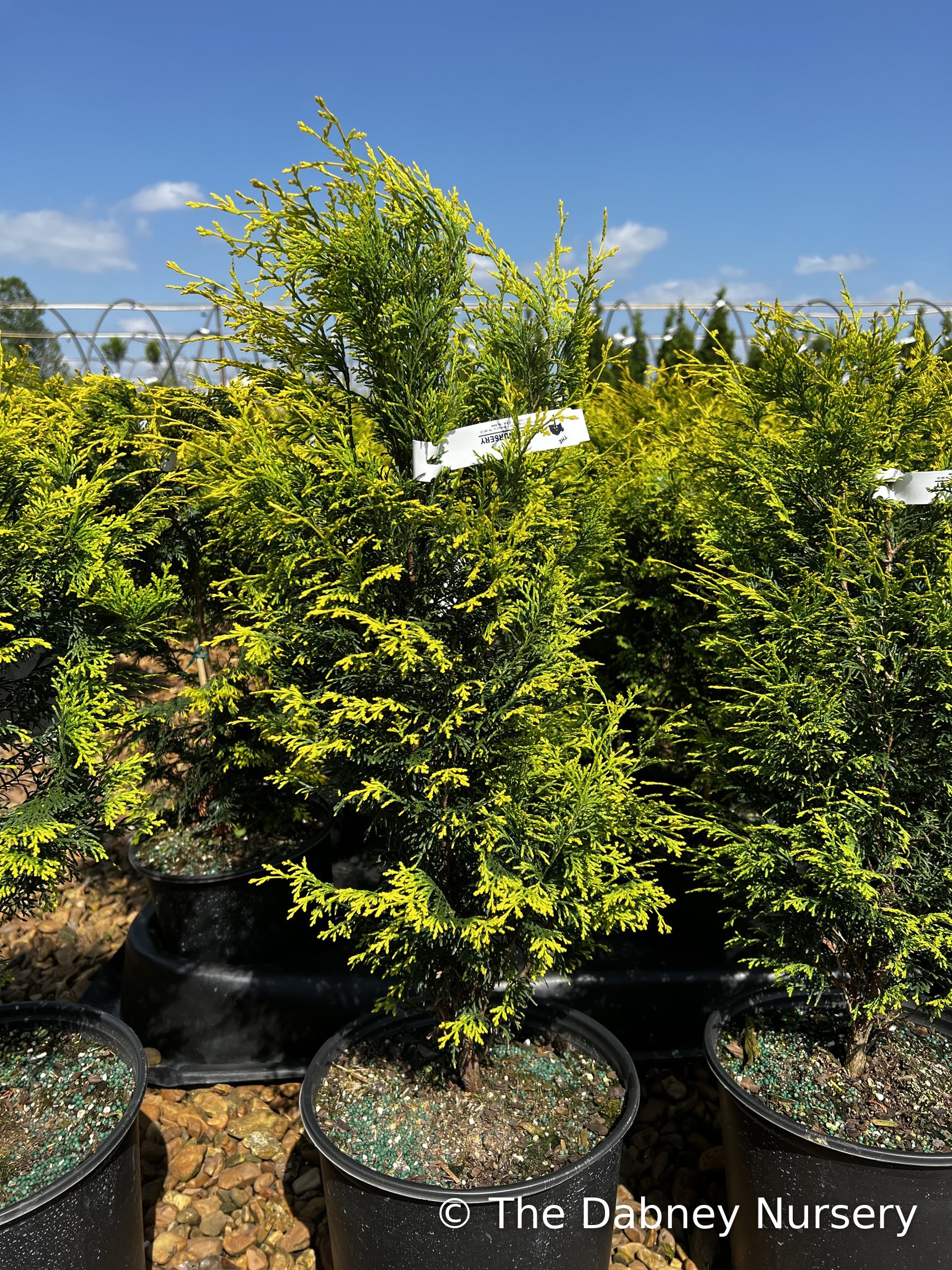
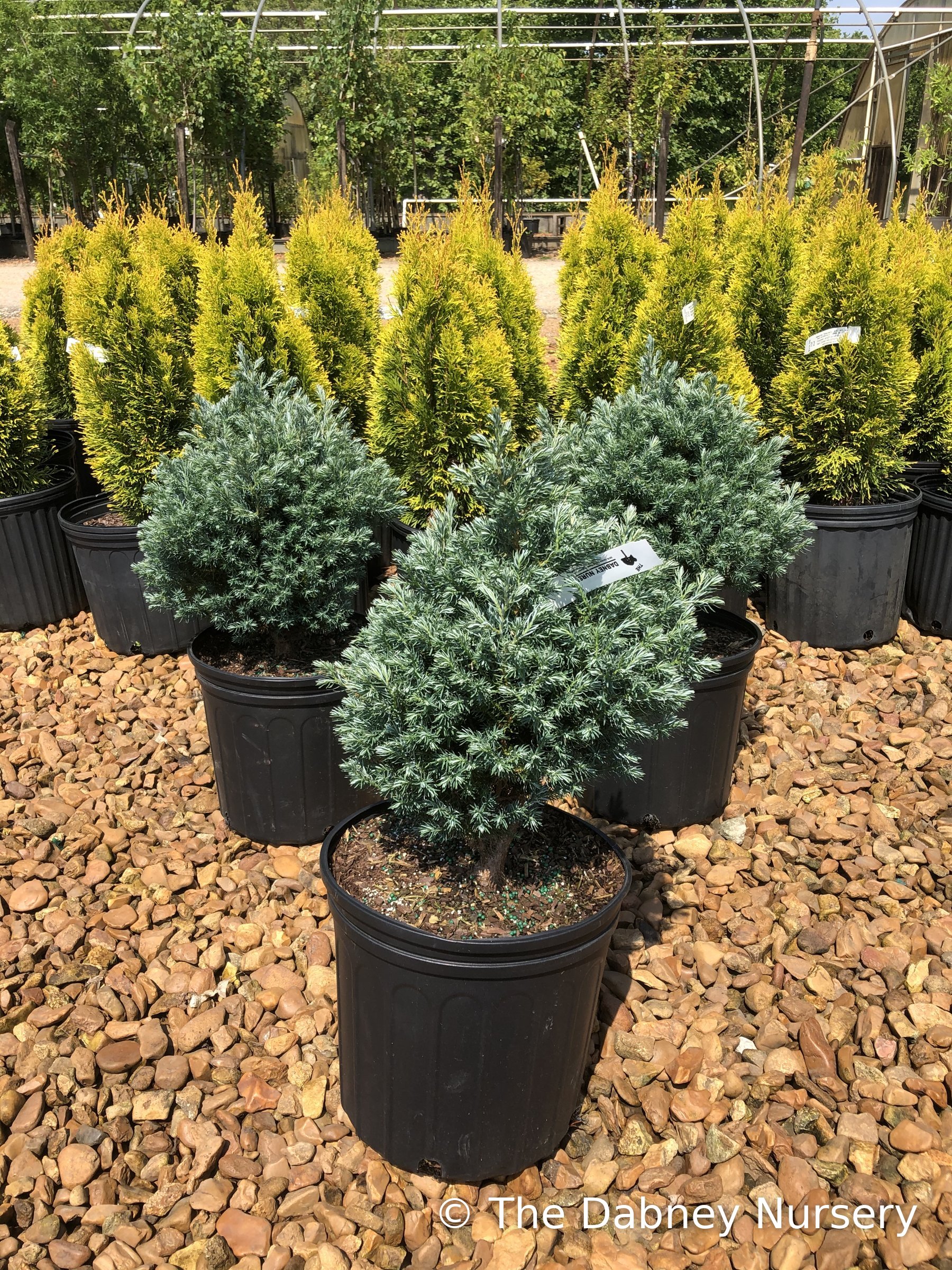
Debbie's Dainty is a cultivar of Hinoki false cypress, a scale leaved evergreen conifer in the cypress family native to Japan and Formosa. The species carries short, closely compressed green leaves in flattened fan shaped sprays with whitish x like markings underneath, small orange brown cones about half an inch across, and reddish brown bark that peels on mature plants. It is low maintenance and grows in full sun to partial shade in clay, loam, sandy or organic soil that drains well but stays moist. Hardy from zone 4 through zone 8, it is used for screening, winter interest and specimen planting and suits rock gardens and children's gardens. It can be somewhat susceptible to bagworms, root rot and juniper blight.
- Full Sun
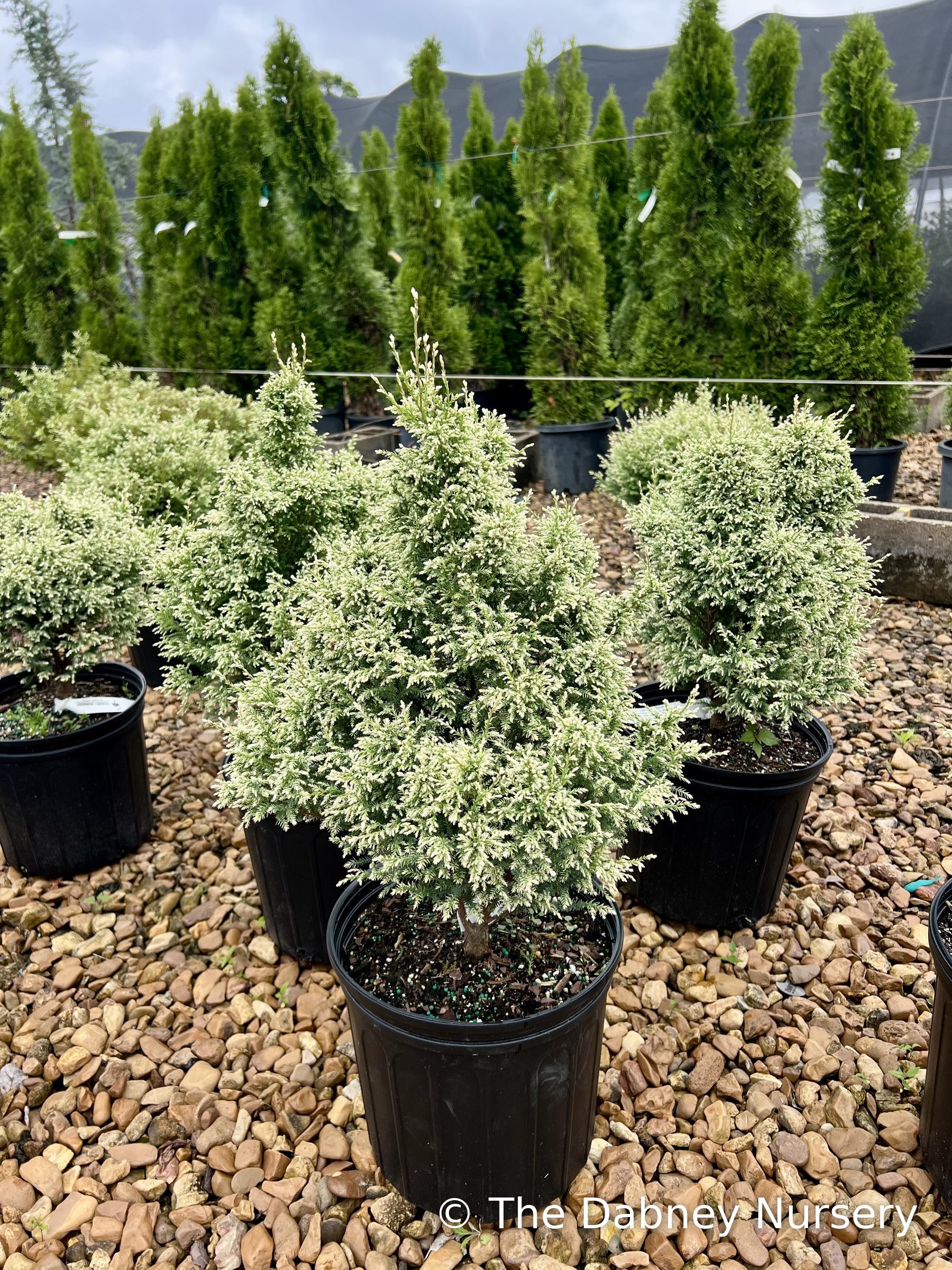
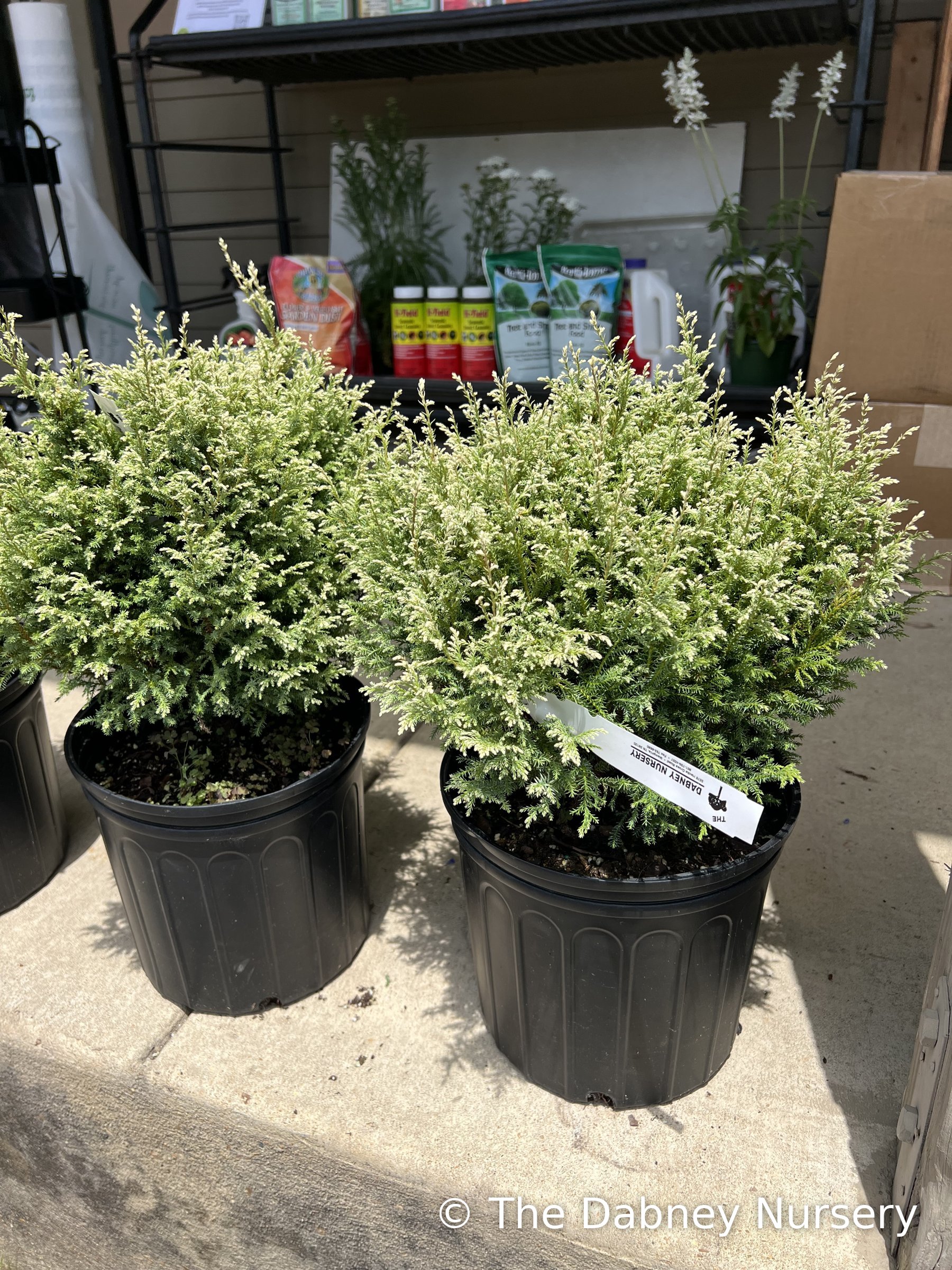
- Grows to 2 ft tall and 2 ft wide
- Hardy in USDA zones 4-8
- Evergreen foliage
Plant description
Debbie's Dainty is a cultivar of Hinoki false cypress, a scale leaved evergreen conifer in the cypress family native to Japan and Formosa. The species carries short, closely compressed green leaves in flattened fan shaped sprays with whitish x like markings underneath, small orange brown cones about half an inch across, and reddish brown bark that peels on mature plants. It is low maintenance and grows in full sun to partial shade in clay, loam, sandy or organic soil that drains well but stays moist. Hardy from zone 4 through zone 8, it is used for screening, winter interest and specimen planting and suits rock gardens and children's gardens. It can be somewhat susceptible to bagworms, root rot and juniper blight.
- Flowers
- No flowers - the pollen bearing cones are small and often reddish, growing from the branch tips.
- Foliage
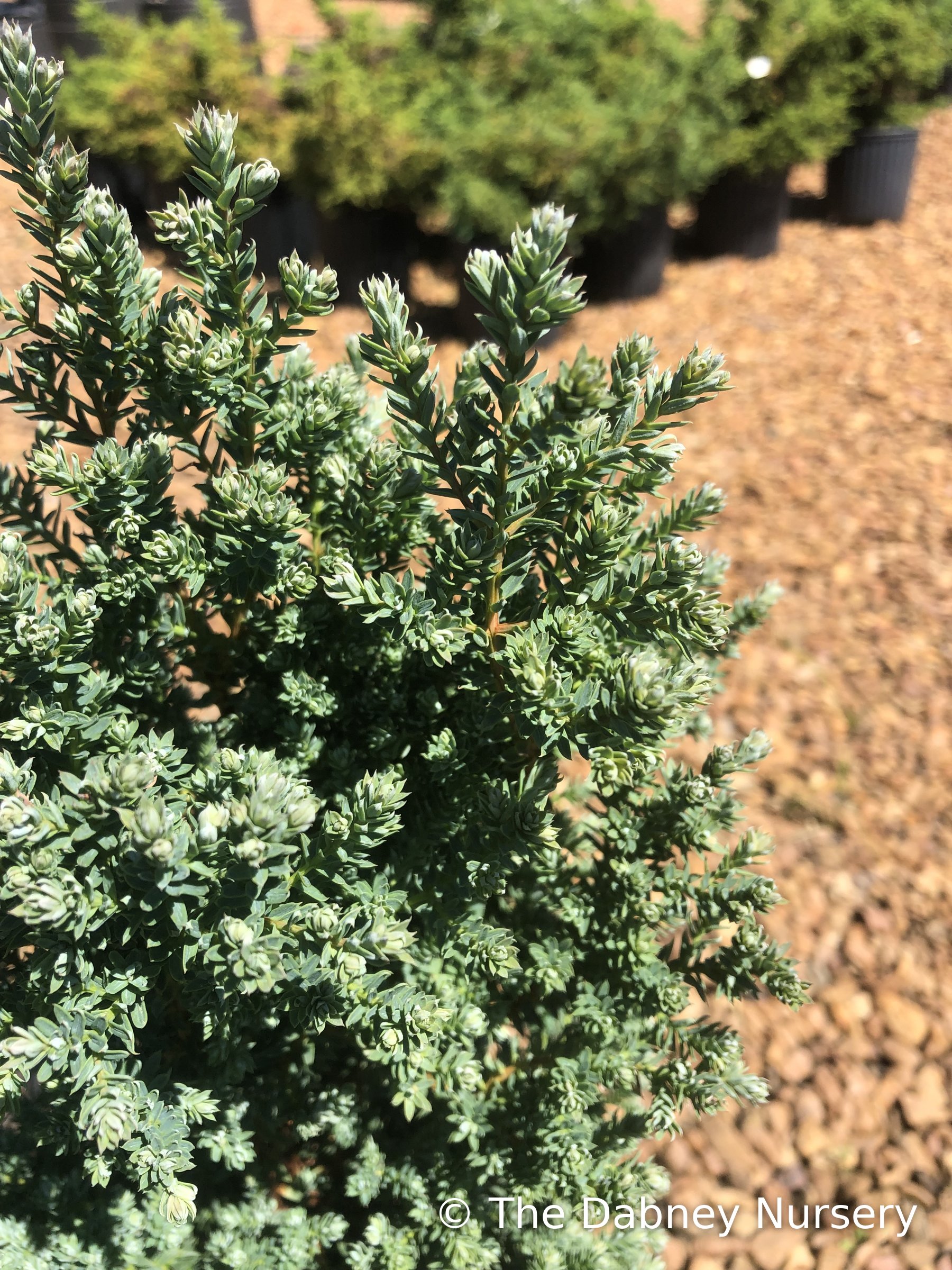
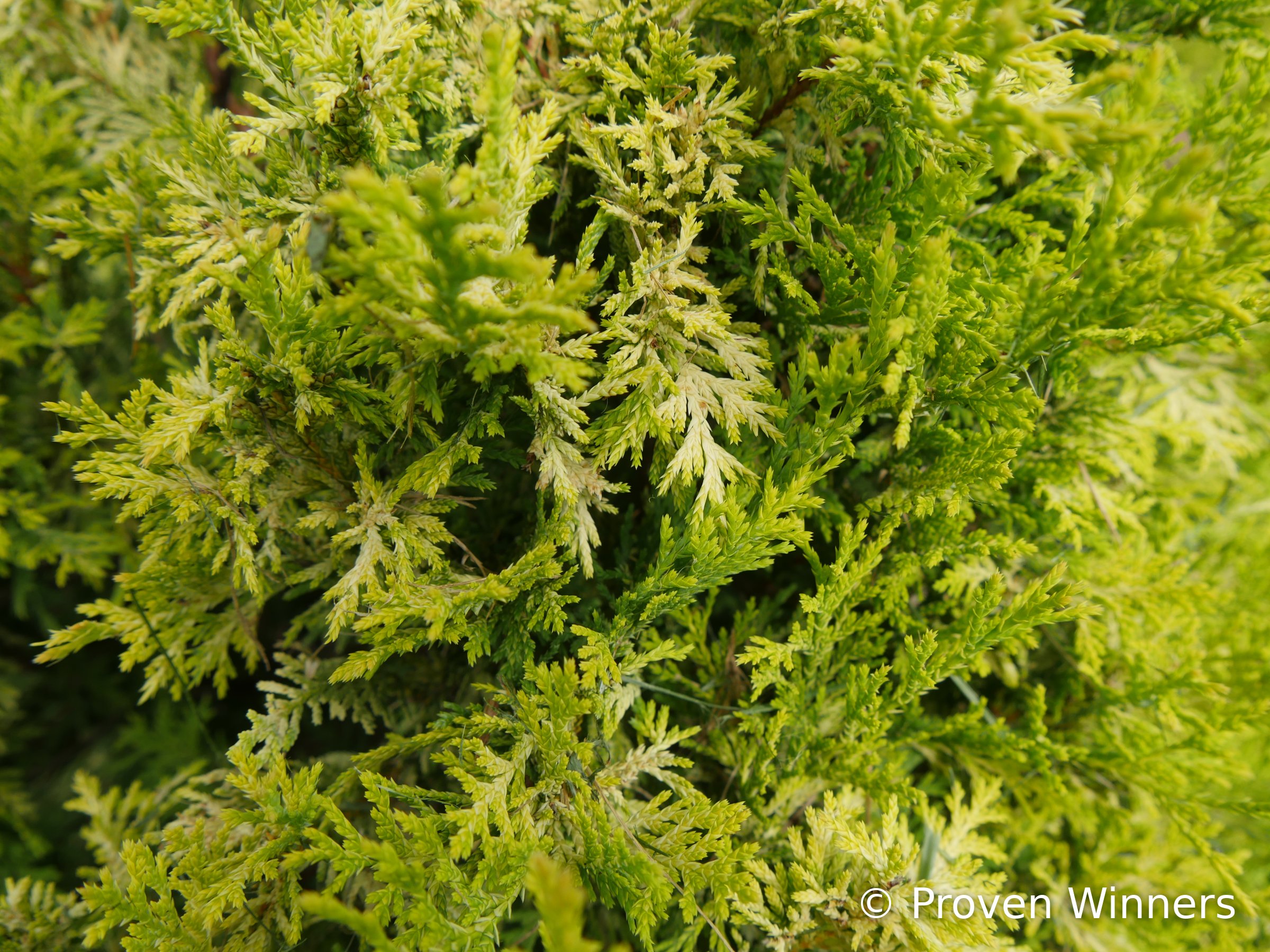
- Short, closely compressed, green leaves are scale like in flattened sprays with whitish x like markings on the underside.
- Fruit
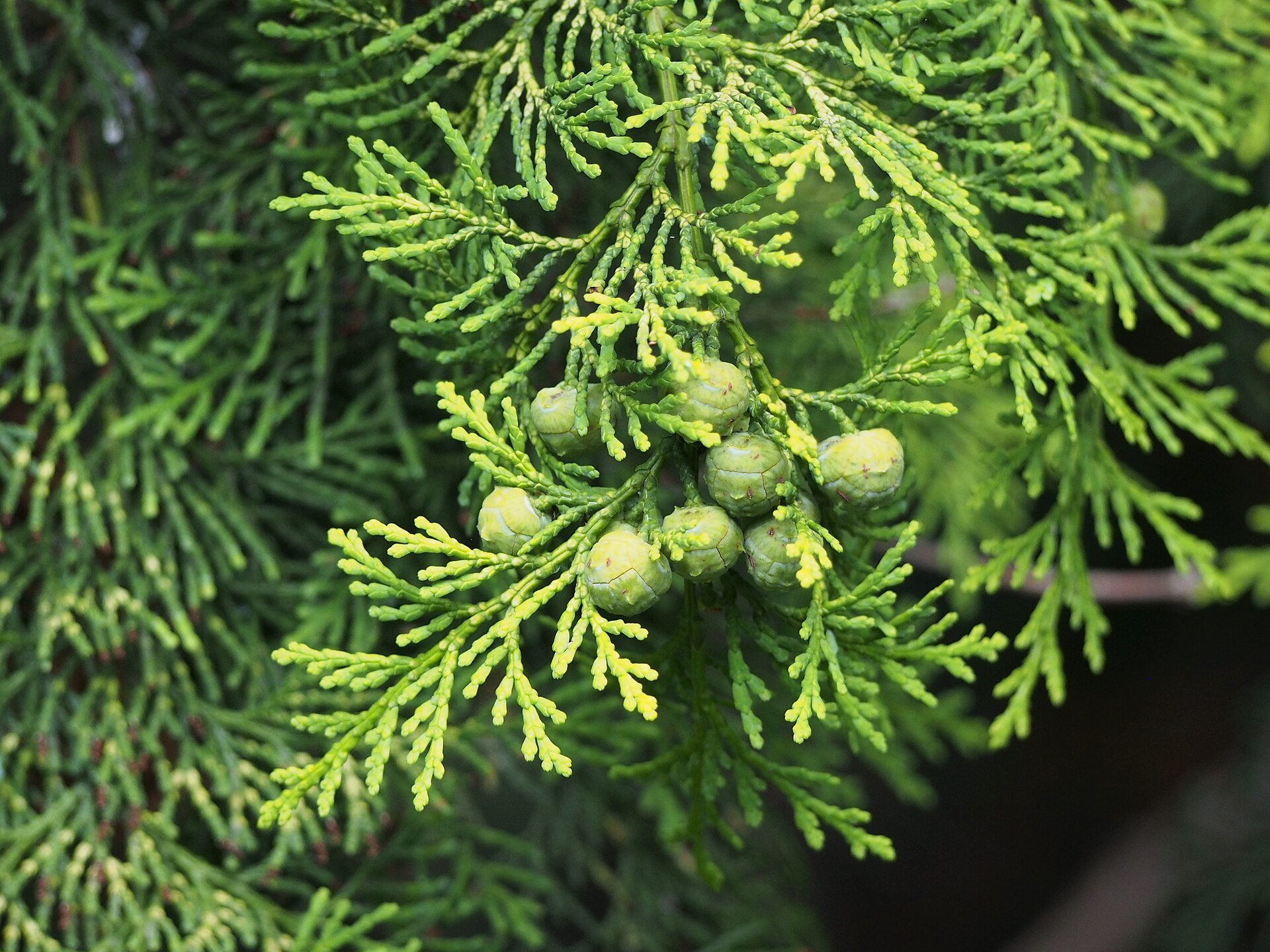
- Small 0.5 in. orange-brown cones with 8-10 scales; no true fruit, female seed-bearing cones are green when immature turning to brown.
- Bark & stems
- Reddish-brown bark will peel on mature trees.
- Native range
- Formosa, Japan