

Plant: Candy - Pecan Tree
Pecan Tree · Carya illinoinensis 'Candy'
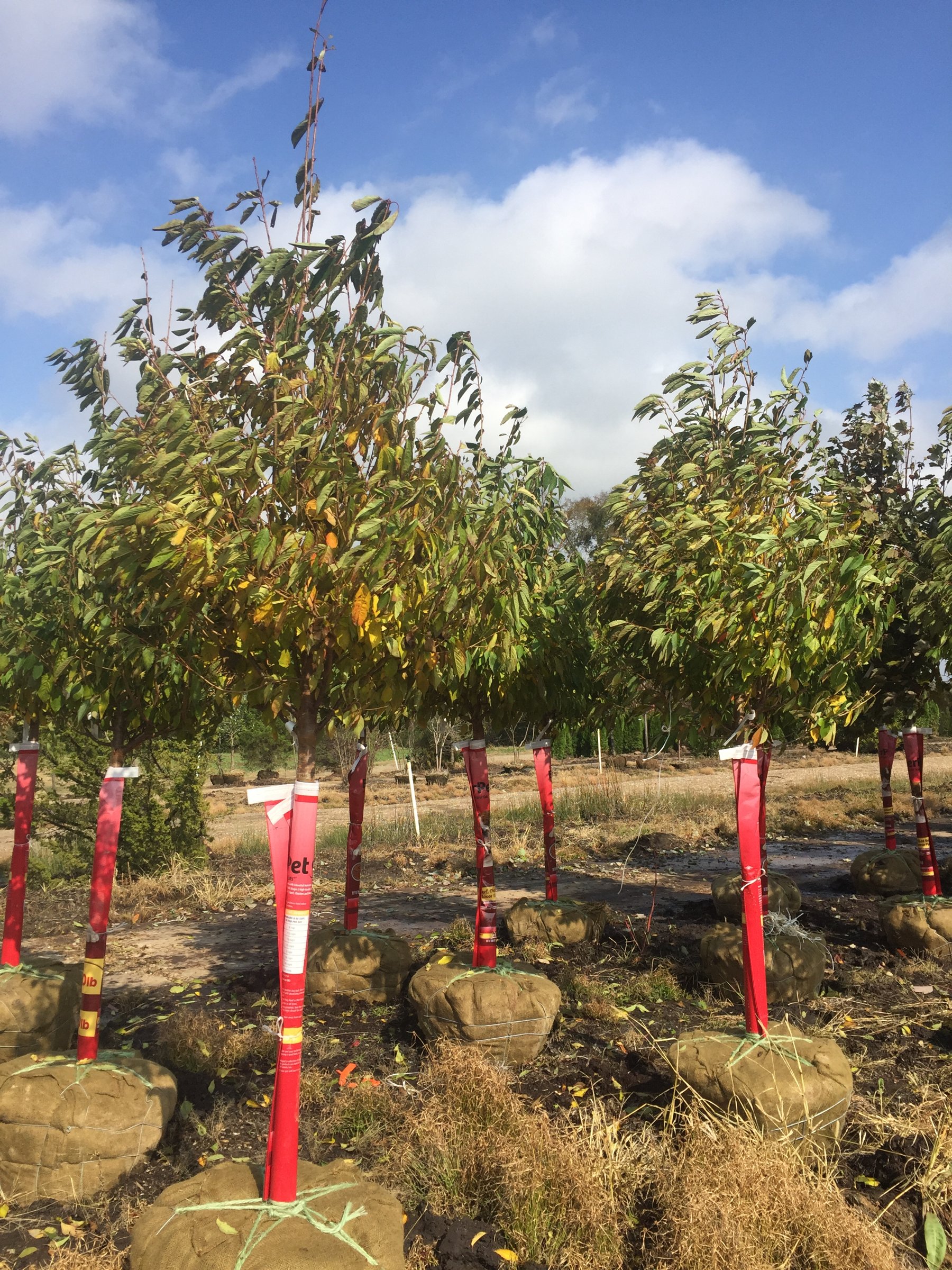
Size: 6 gal
Light
Bloom
Mature size
More about this plant
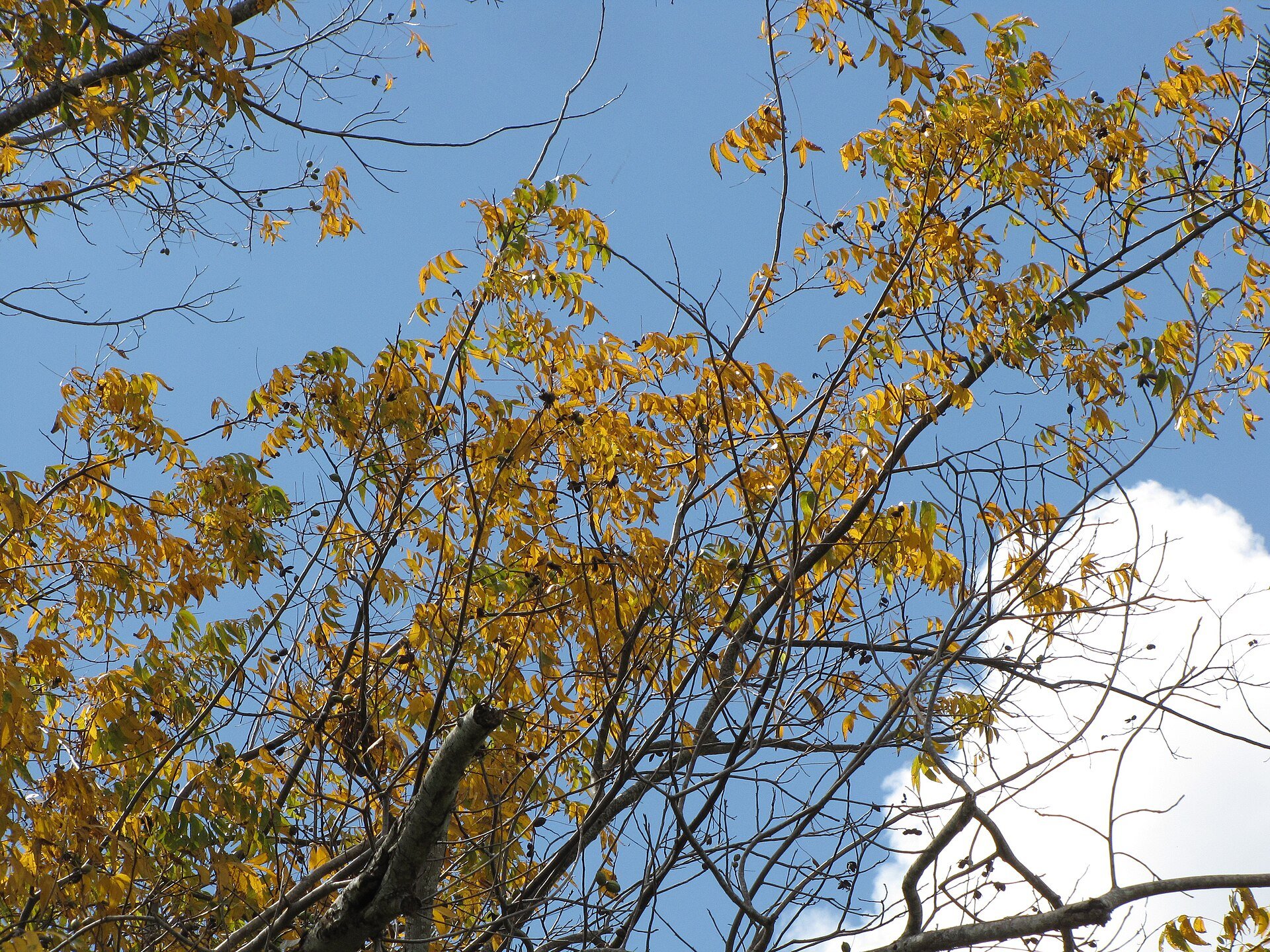
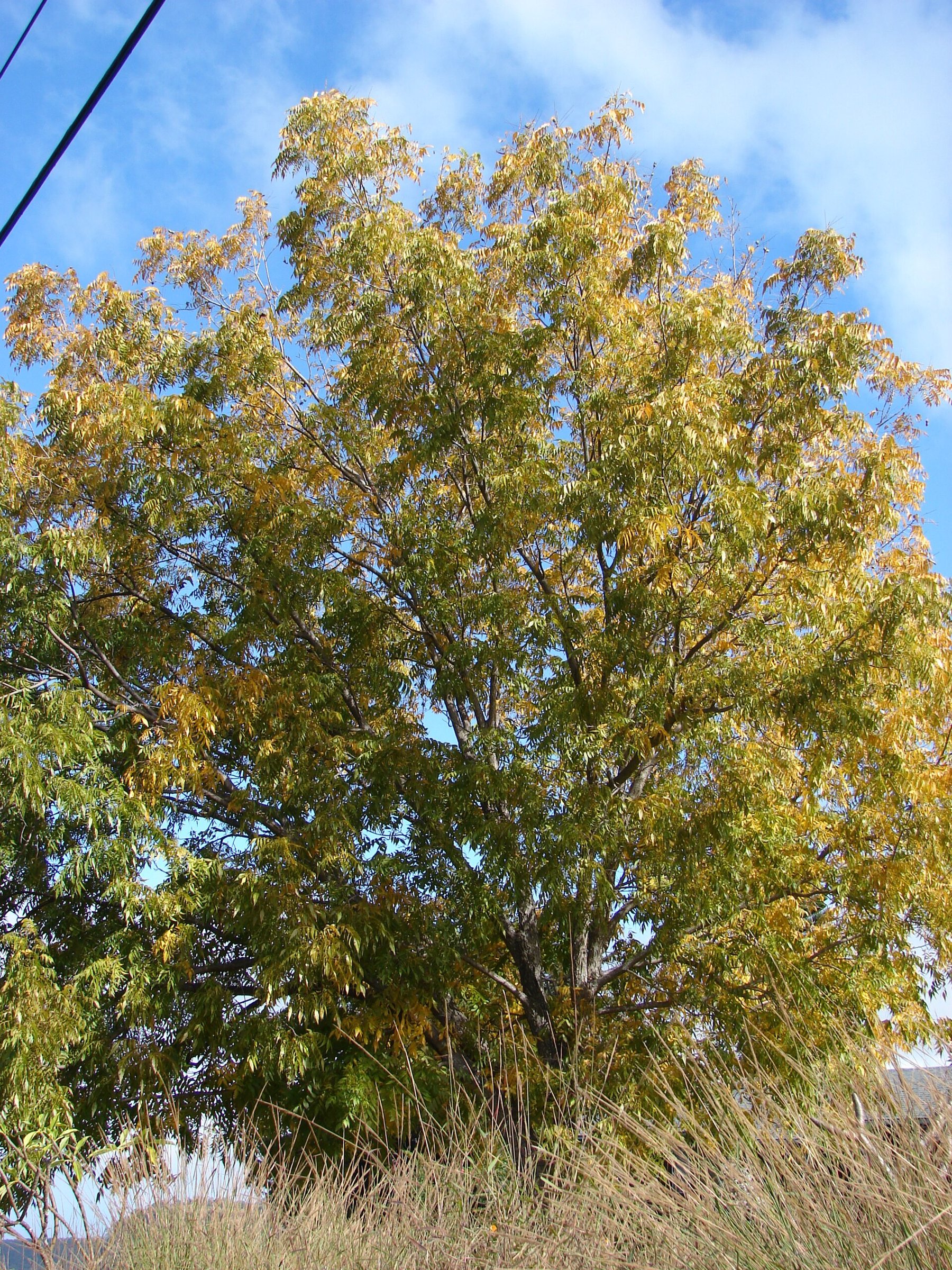
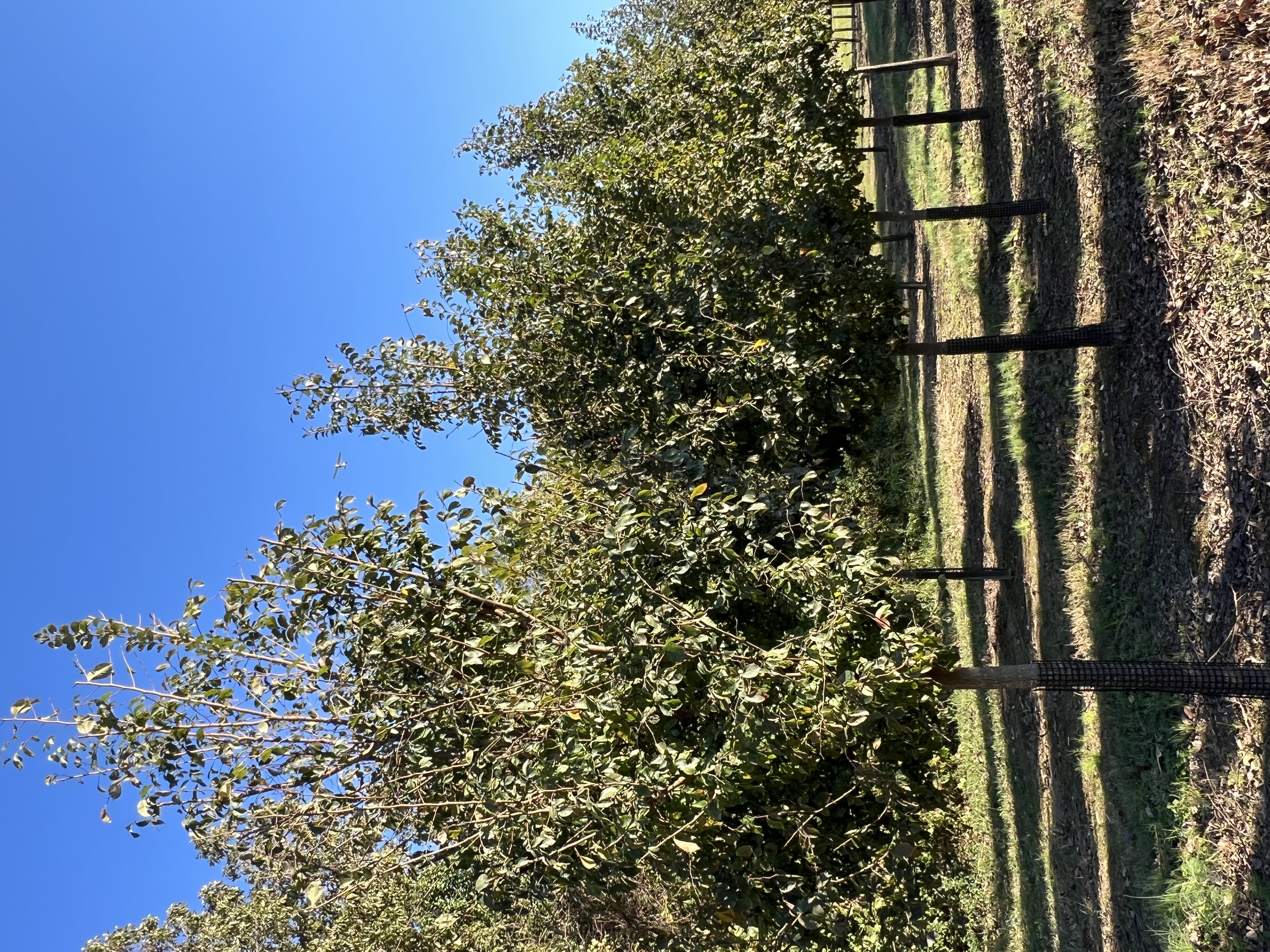
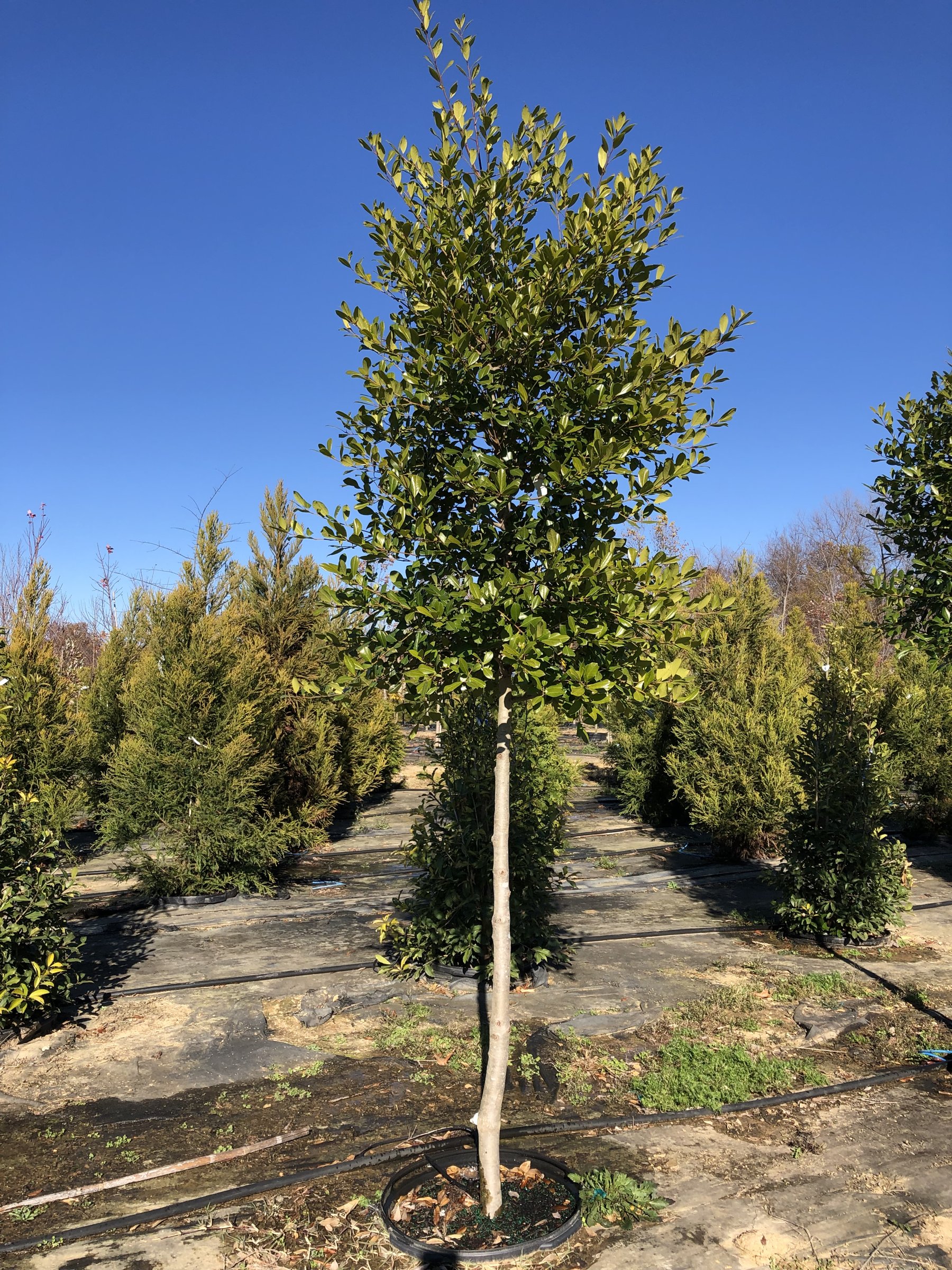
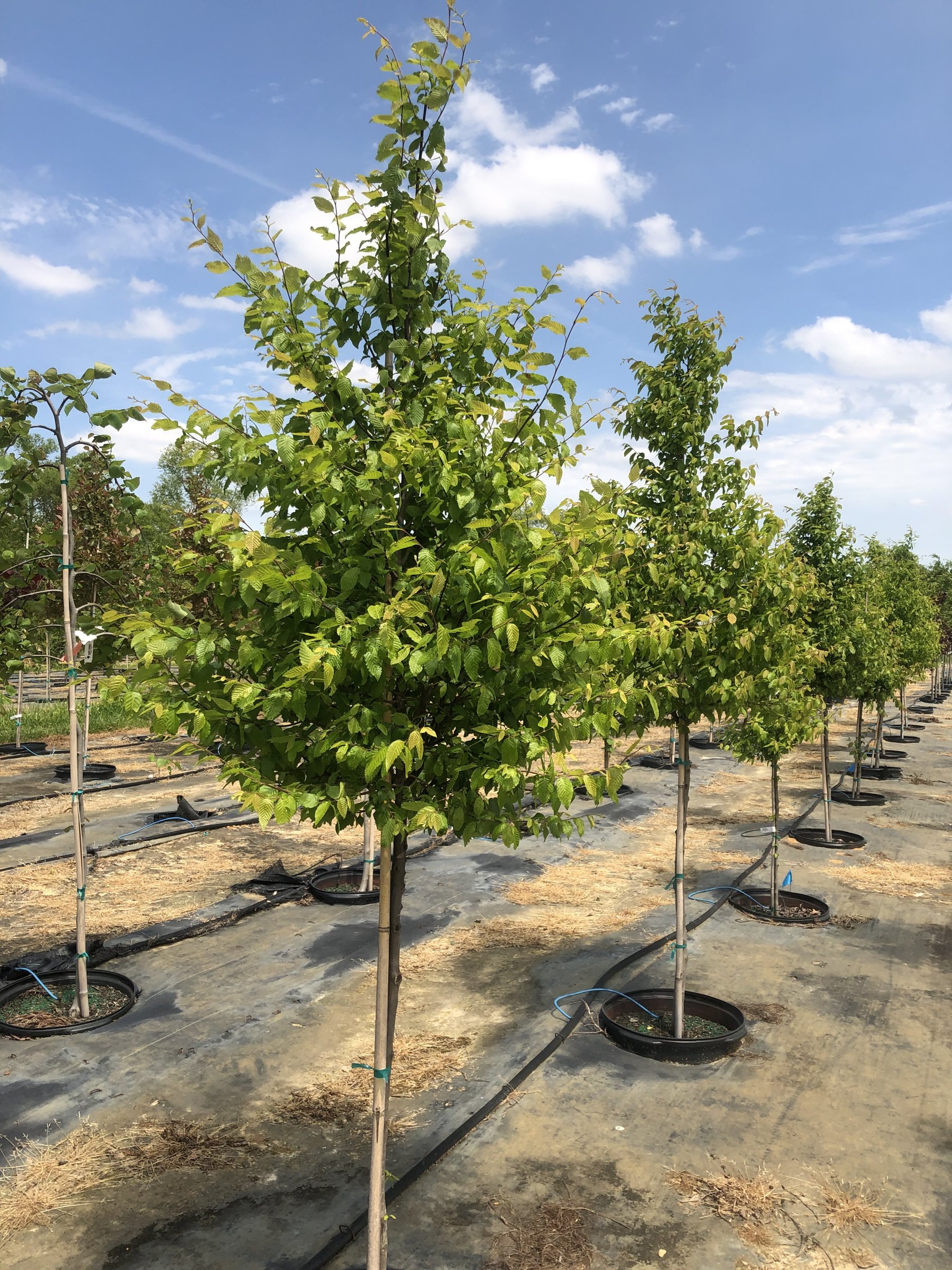
Pecan is a large native shade tree of oval, rounded and spreading habit, reaching 70 to 100 feet tall and 40 to 75 feet wide, with pinnately compound leaves over six inches long that turn gold in fall. The flowers are insignificant and monoecious in April and May, the males four inch yellow green catkins, and the sweet edible nuts follow in husks that split into four sections when they ripen in fall. It takes full sun to partial shade in clay, loam or sandy soil across a wide pH range and tolerates both drought and wet soil. It is messy and its brittle branches are prone to breakage in wind, so give it room in a naturalized area or a woodland. The nuts feed small mammals and birds and it is a larval host for the Luna moth.
- Full Sun
- Grows to 100 ft tall and 75 ft wide
- Blooms in spring
- Hardy in USDA zones 5-9
- Deciduous foliage
- Native plant
Plant description
Pecan is a large native shade tree of oval, rounded and spreading habit, reaching 70 to 100 feet tall and 40 to 75 feet wide, with pinnately compound leaves over six inches long that turn gold in fall. The flowers are insignificant and monoecious in April and May, the males four inch yellow green catkins, and the sweet edible nuts follow in husks that split into four sections when they ripen in fall. It takes full sun to partial shade in clay, loam or sandy soil across a wide pH range and tolerates both drought and wet soil. It is messy and its brittle branches are prone to breakage in wind, so give it room in a naturalized area or a woodland. The nuts feed small mammals and birds and it is a larval host for the Luna moth.
- Flowers
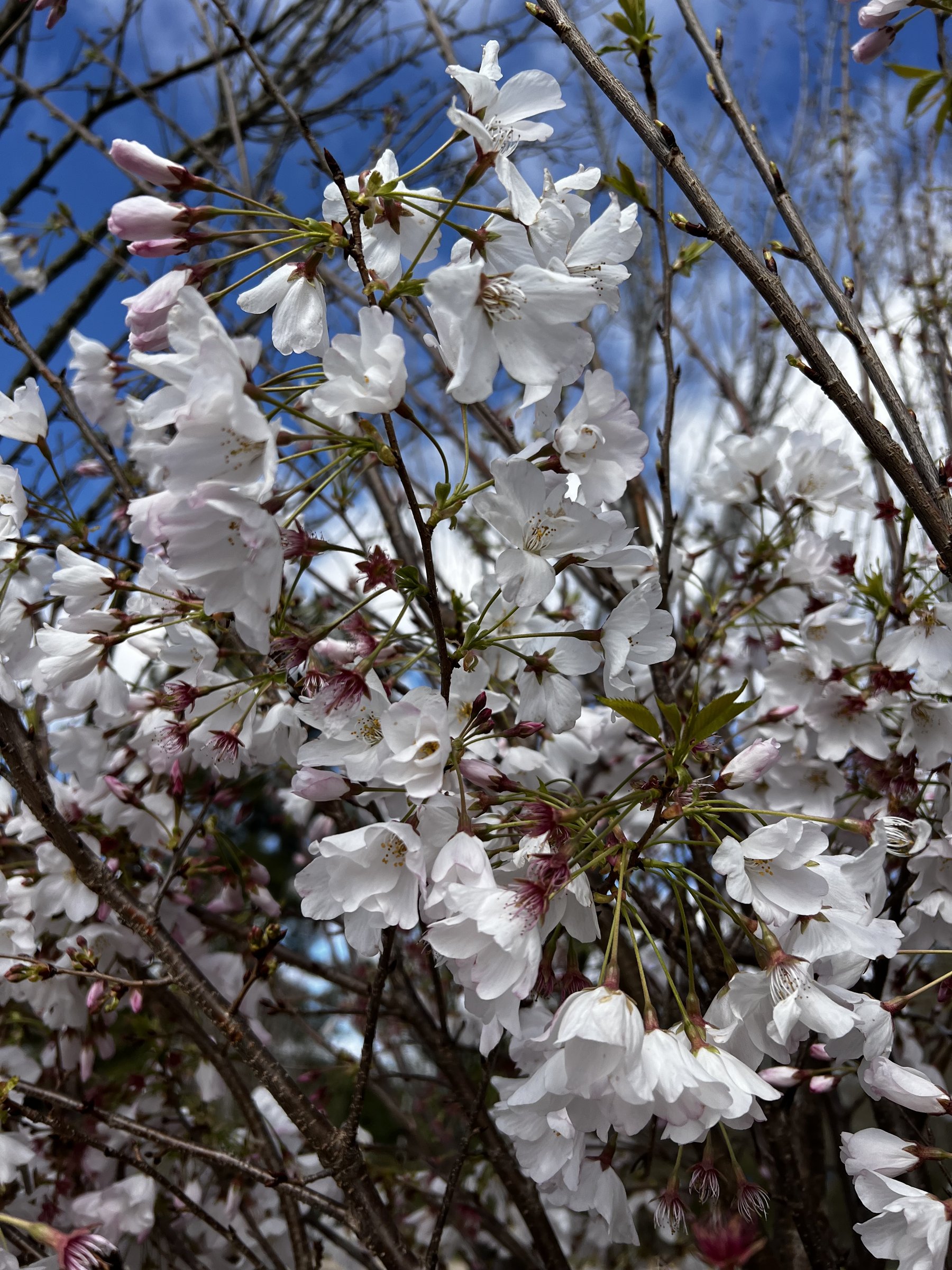
- Insignificant and monoecious, appearing April to May; male flowers are four inch long yellow green catkins and female flowers are shorter spikes.
- Fruit
- Sweet edible nuts with a husk that splits into four sections when they ripen in the fall.
- Bark & stems
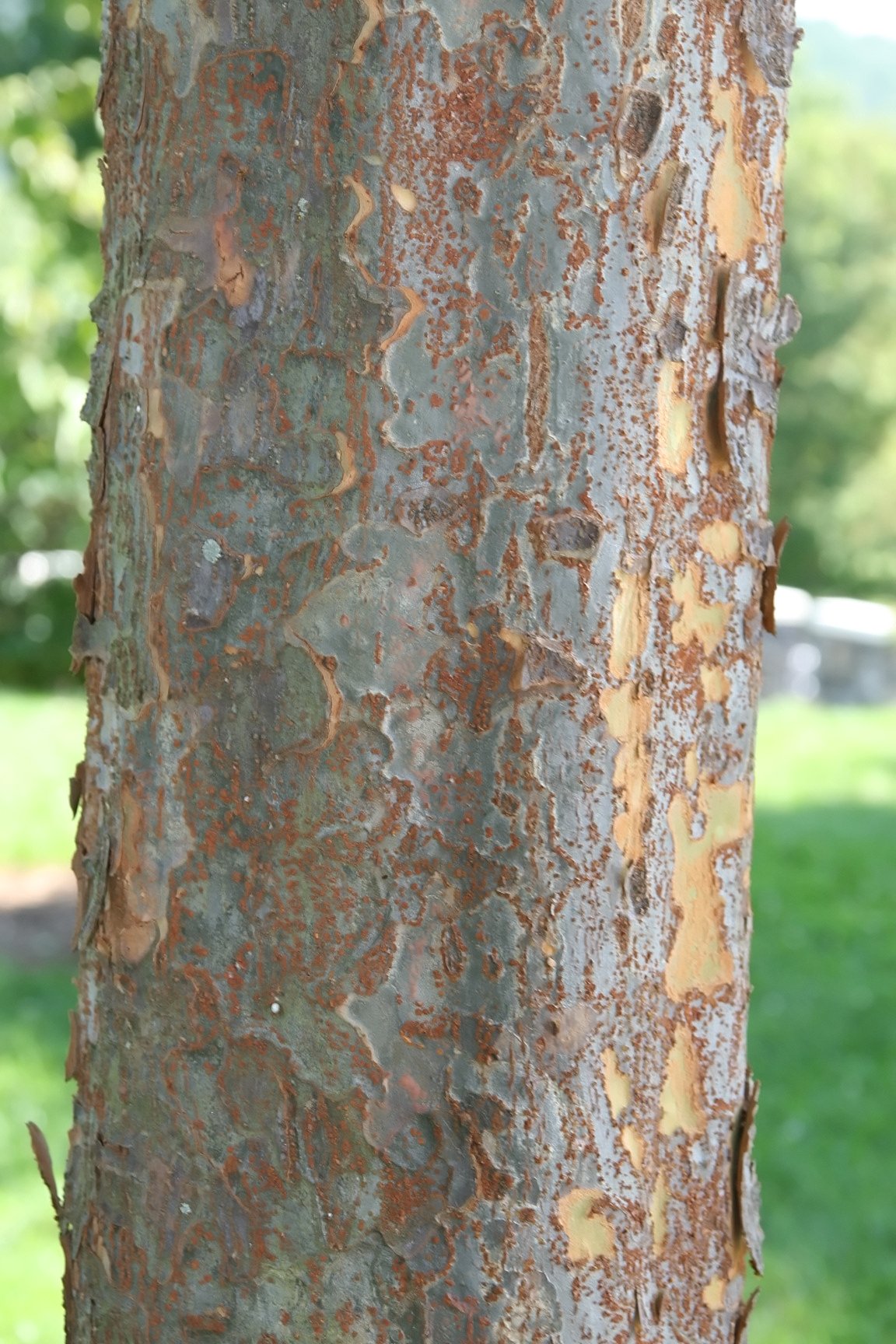
- Grey brown bark with rectangular furrows and ridges over brown to gray silver stems.
- Native range
- Central and East Central U.S.A. to Mexico