

Plant: Paw Paw Tree
Paw Paw Tree · Asimina triloba
Size: 3 gal
Light
Bloom
Mature size
More about this plant
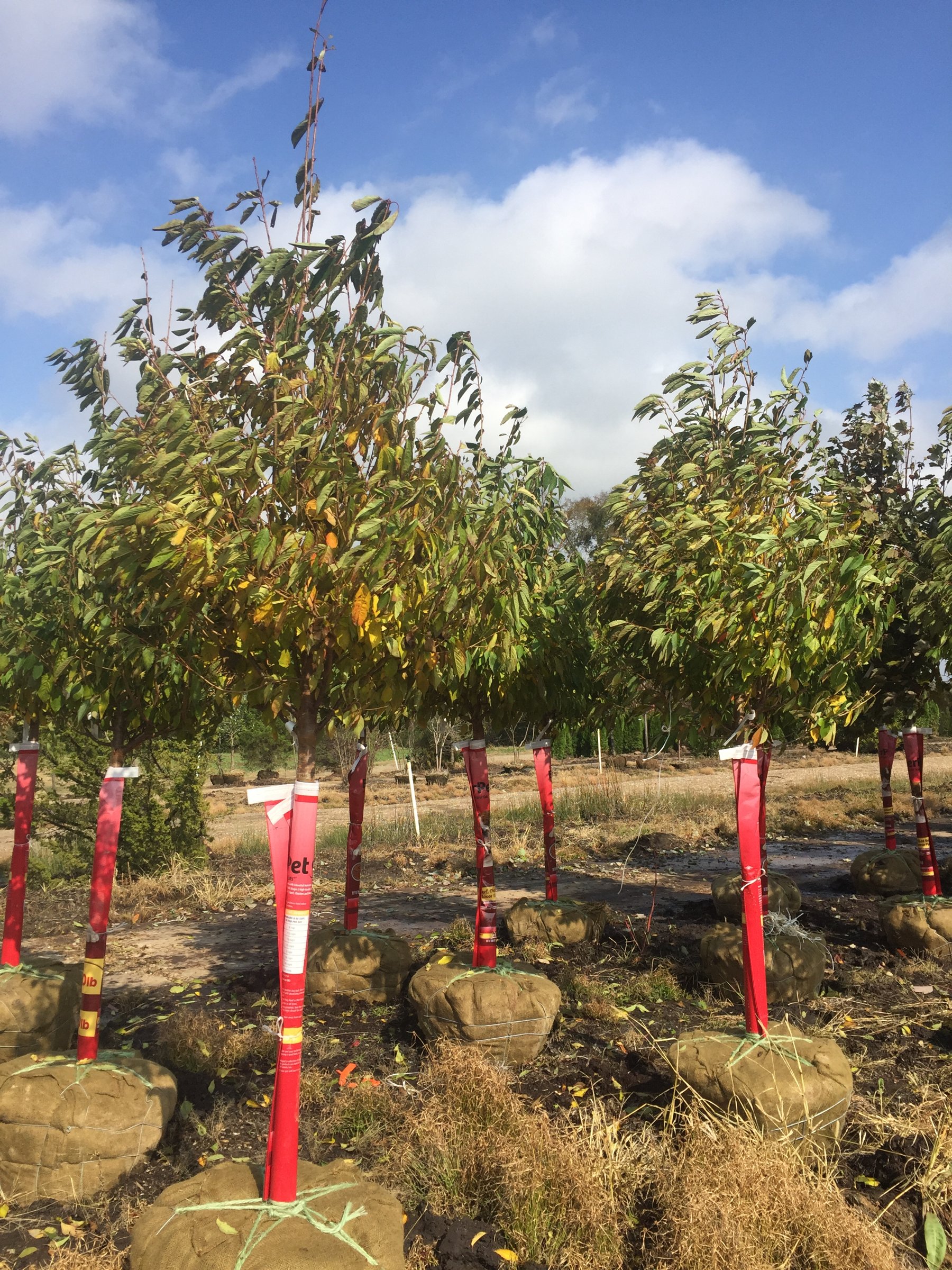
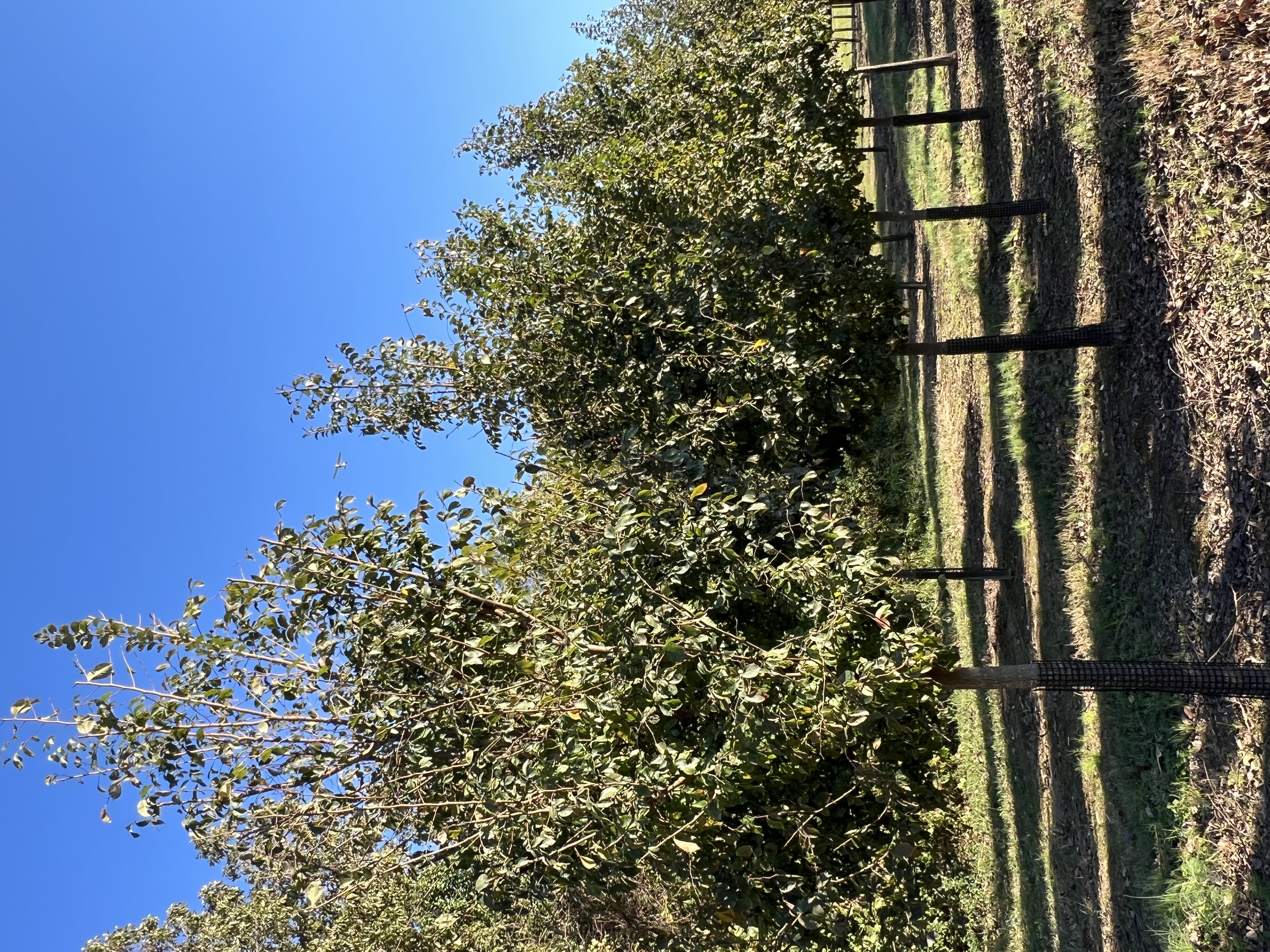
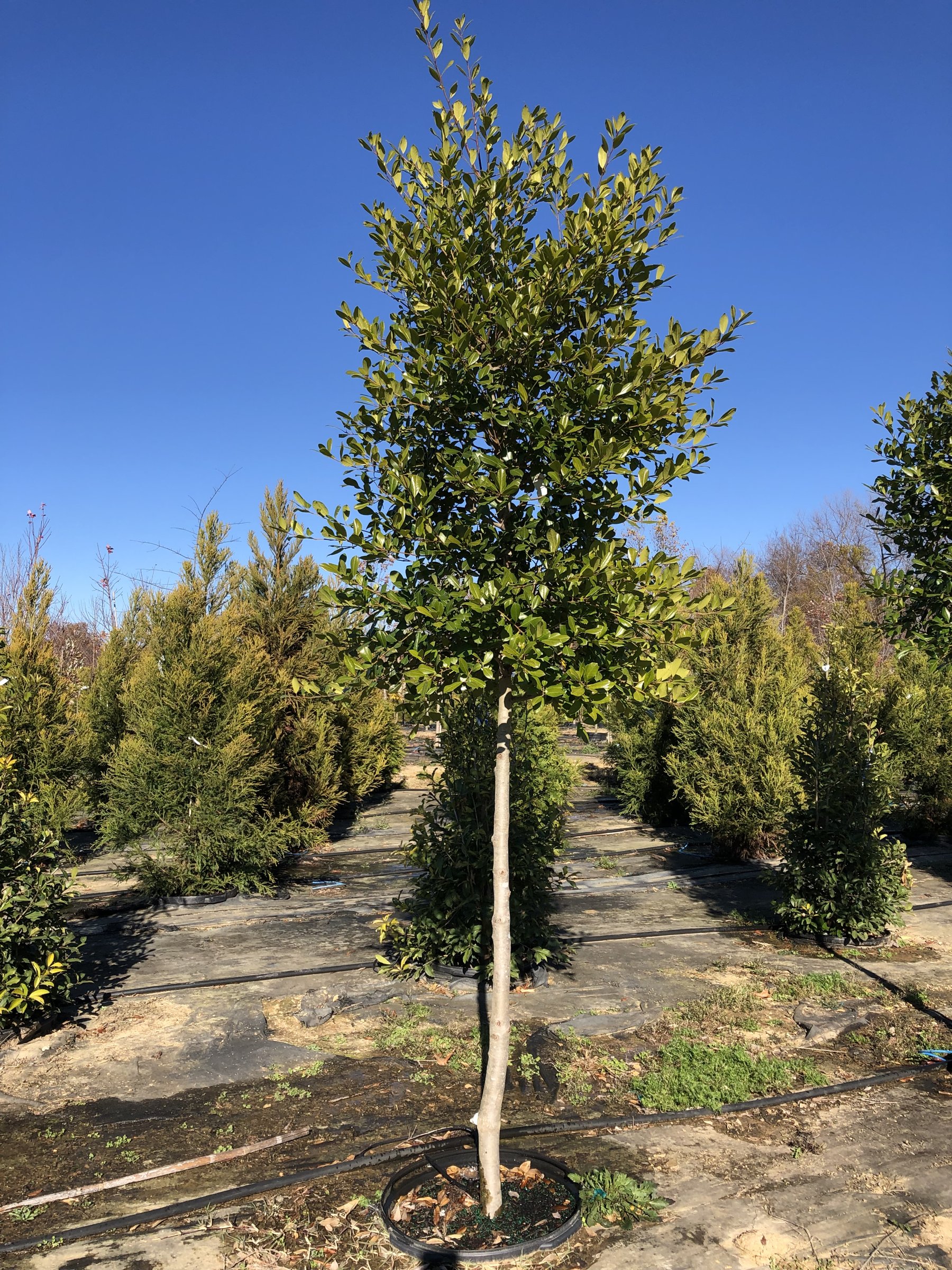
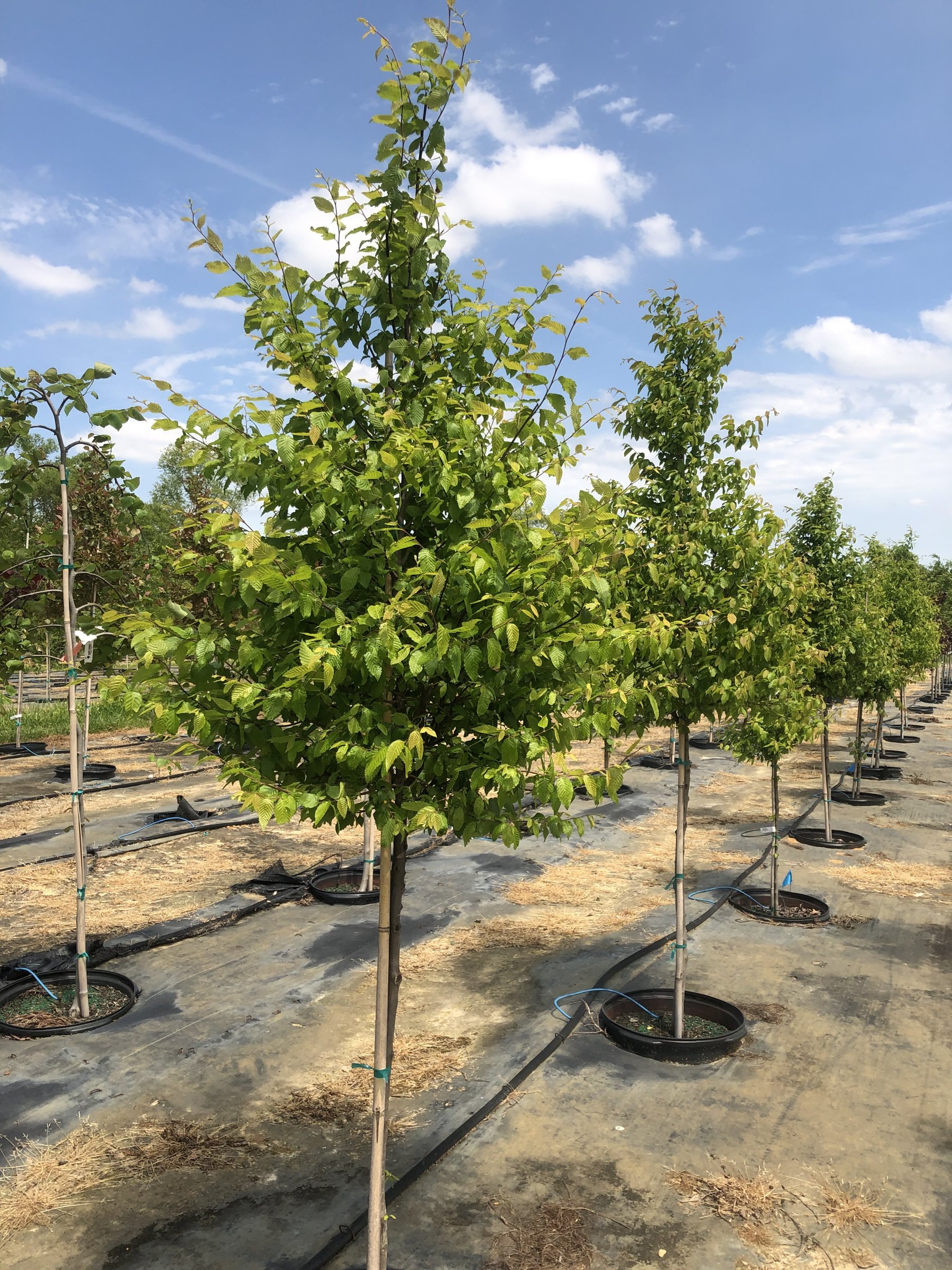
Pawpaw is a deciduous native understory tree of moist eastern forests, growing 15 to 30 feet tall and wide with a pyramidal form. Large obovate leaves up to a foot long hang in two ranks and smell of green bell pepper when crushed, turning gold in fall. Purplish brown six petaled flowers open in spring, and because they are self incompatible a genetically different pollinizer is needed for fruit. The fruit is soft, custard like and banana sweet, ripening from late summer into fall. It fruits best in full sun on moist, acidic, well drained ground and resists deer, fire, humidity and insect pests. Handling the fruit can irritate skin, and the skin and seeds cause stomach pain if eaten.
- Full Sun
- Grows to 30 ft tall and 30 ft wide
- Blooms in spring
- Hardy in USDA zones 5-9
- Deciduous foliage
- Native plant
Plant description
Pawpaw is a deciduous native understory tree of moist eastern forests, growing 15 to 30 feet tall and wide with a pyramidal form. Large obovate leaves up to a foot long hang in two ranks and smell of green bell pepper when crushed, turning gold in fall. Purplish brown six petaled flowers open in spring, and because they are self incompatible a genetically different pollinizer is needed for fruit. The fruit is soft, custard like and banana sweet, ripening from late summer into fall. It fruits best in full sun on moist, acidic, well drained ground and resists deer, fire, humidity and insect pests. Handling the fruit can irritate skin, and the skin and seeds cause stomach pain if eaten.
- Flowers
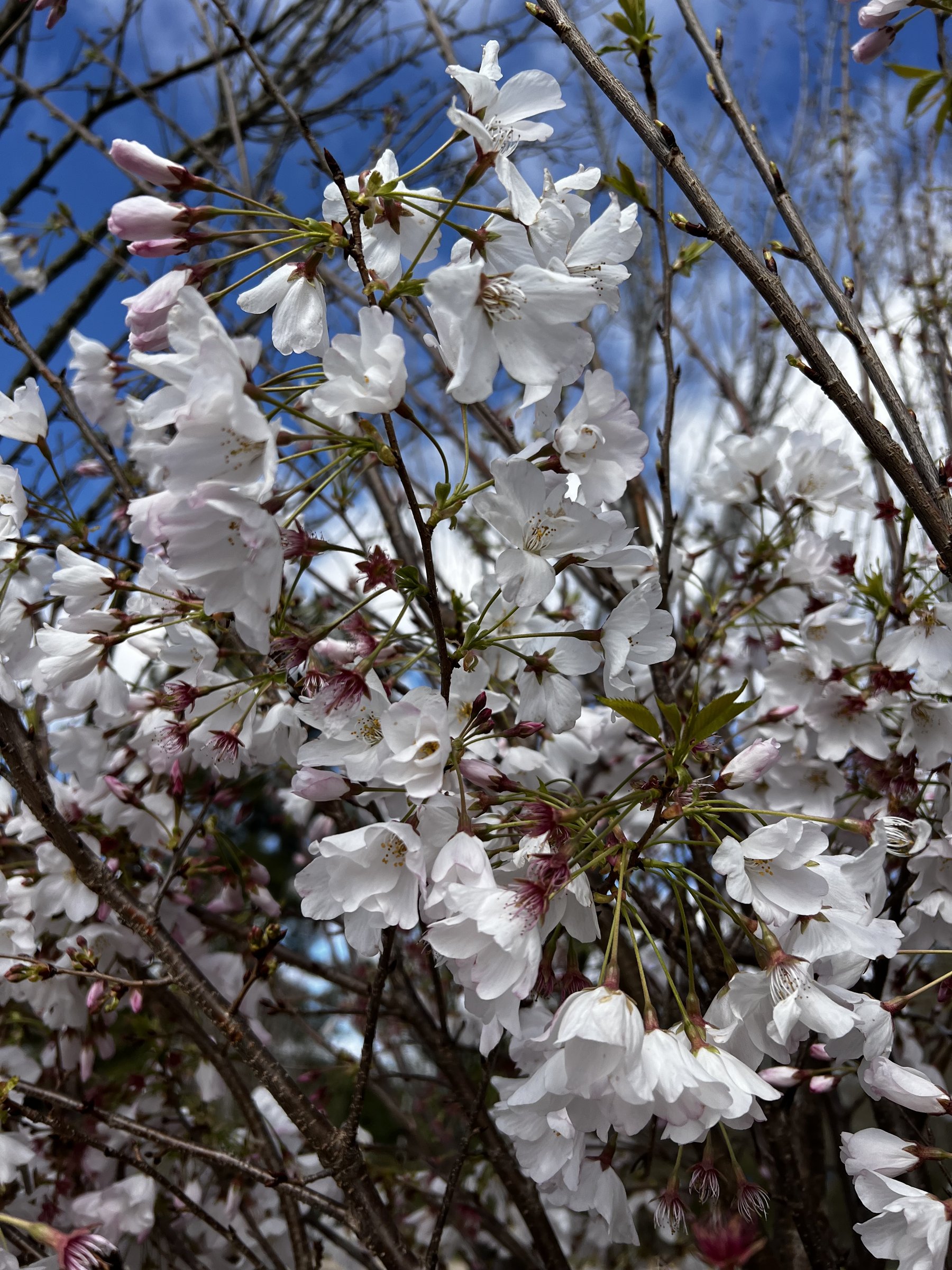
- Perfect but self incompatible flowers 1 to 1.5 inches across, purplish brown with six petals, carrying a foul odour that attracts fly pollinators.
- Fruit
- Edible fleshy fruit 2.5 to 6 inches long that becomes soft and custard like with a sweet taste similar to bananas, with a glaucous surface.
- Light
- Dappled/Filtered Light
- Native range
- Eastern North America, Canada and the United States