

Plant: Parrotia Persica / Persion Ironwood
Persian Ironwood / Parrotia Persica Tree · Parrotia persica
Was $150.00
Size: 15 gal
Light
Bloom
Mature size
More about this plant
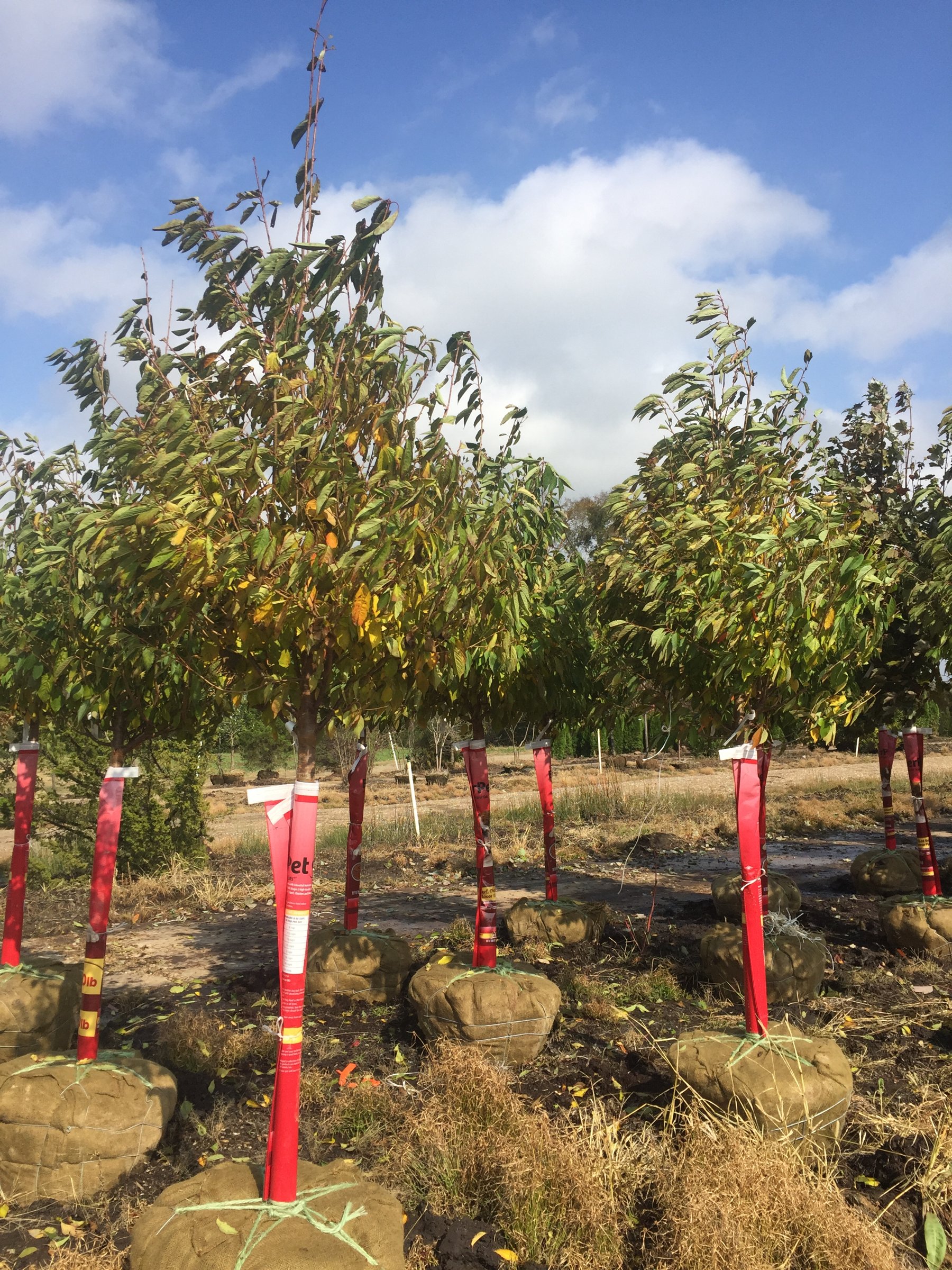
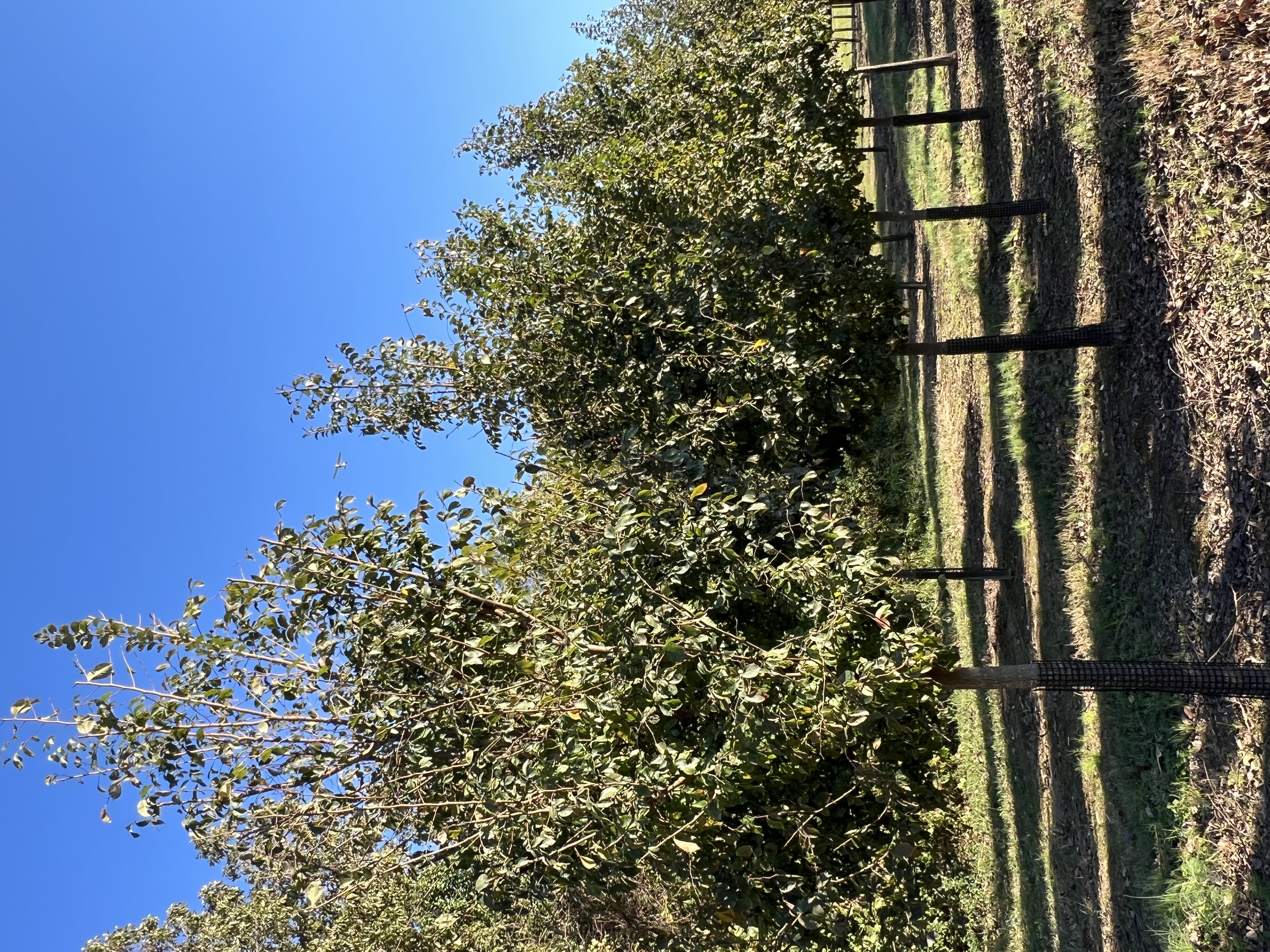
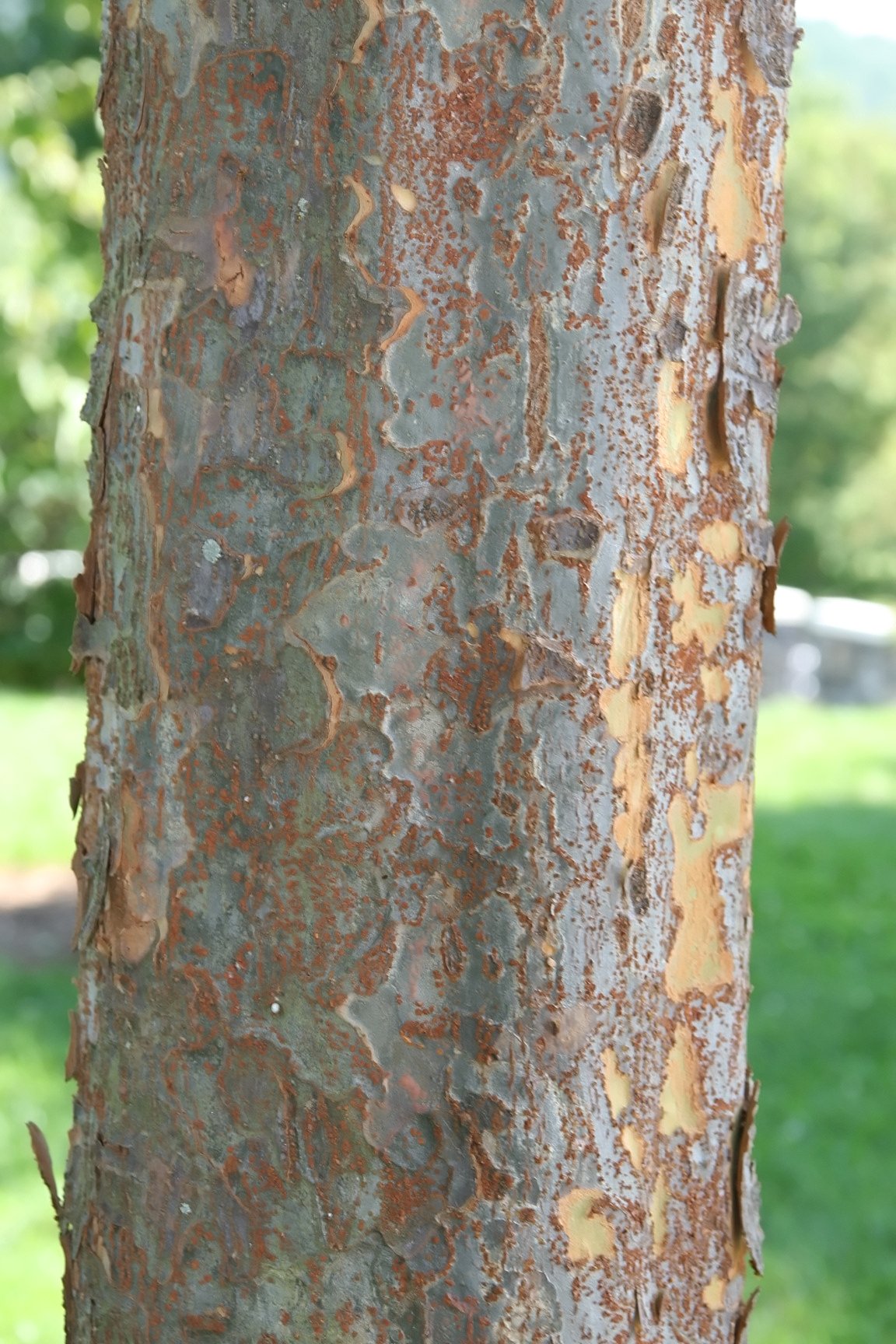
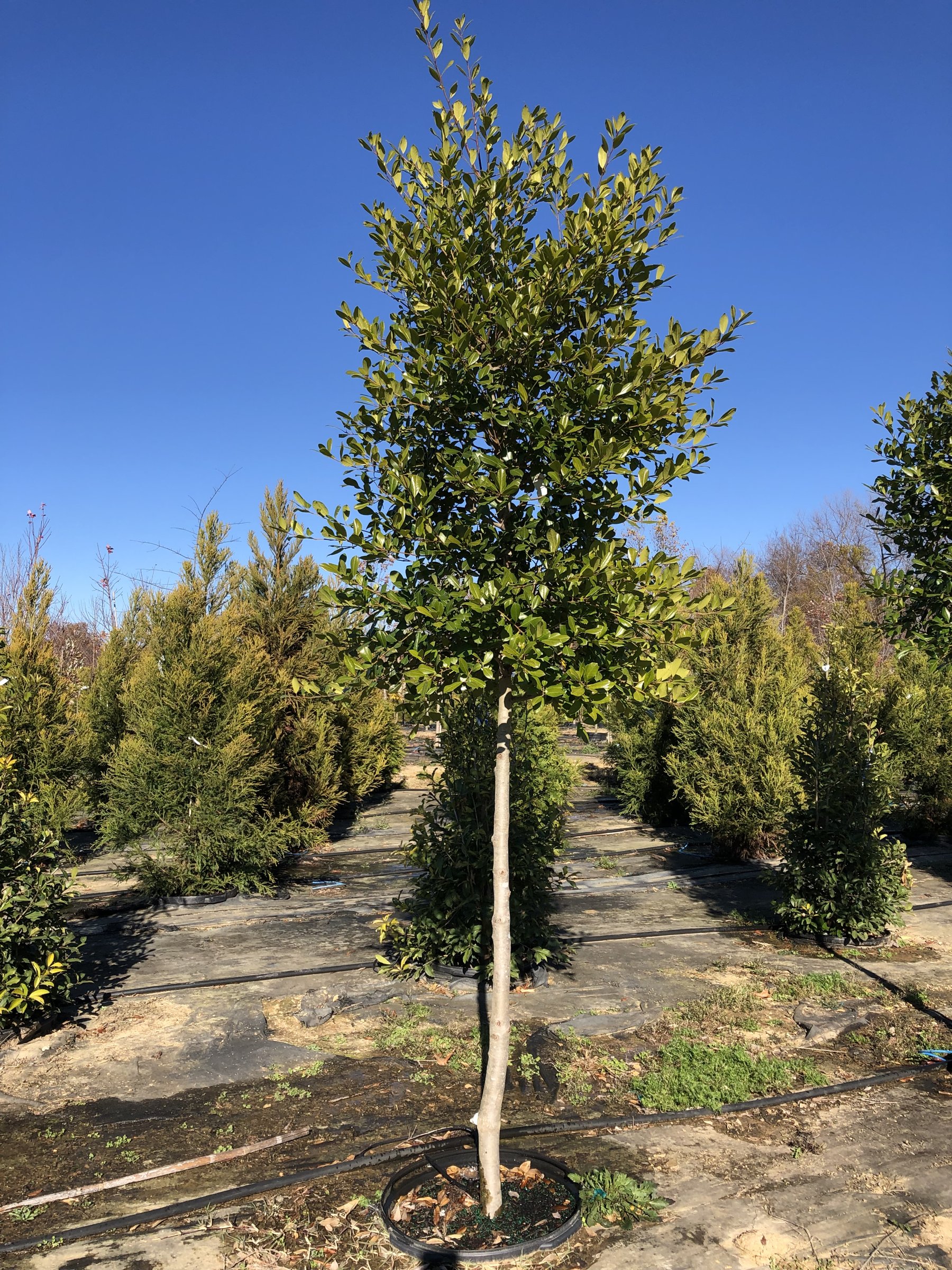
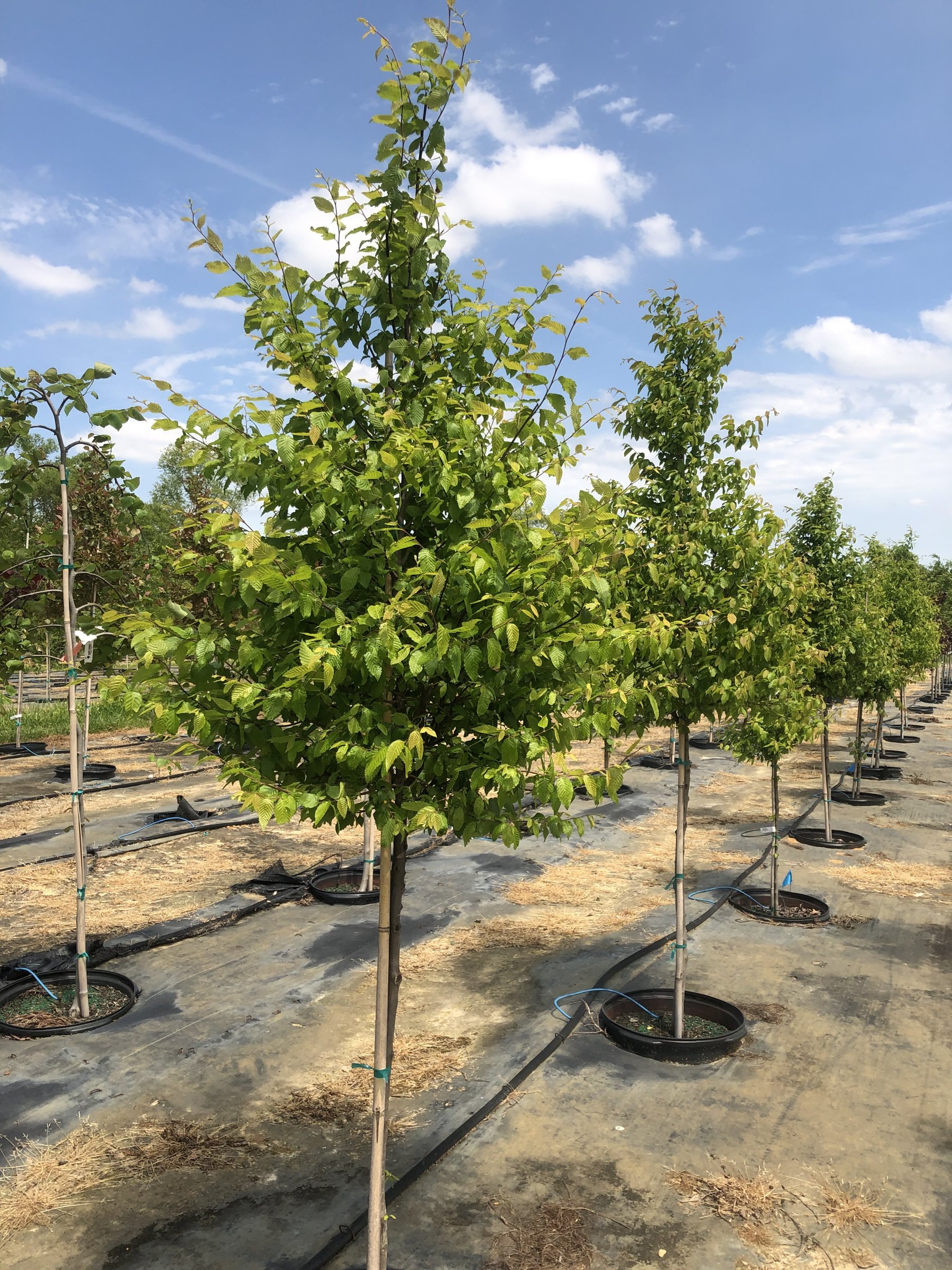
Persian ironwood is a slow growing, multi stemmed small tree or large shrub of ascending, vase to rounded form reaching 15 to 30 feet tall and wide, with fine texture. Apetalous red flowers with 5 to 15 stamens and brown bracts open in late winter and early spring before the leaves, which emerge reddish purple, mature to medium or dark green and turn yellow, orange and red in fall. Mature trunks exfoliate into shades of green, white and tannish brown, its best feature. It takes full sun to partial shade in a moist, well drained acid loam and resists drought, heat, pollution and poor soil, with no serious insect or disease problems. Use it as a lawn or patio specimen or a street tree.
- Full Sun
- Grows to 30 ft tall and 30 ft wide
- Blooms in winter, spring
- Hardy in USDA zones 4-7
- Deciduous foliage
Plant description
Persian ironwood is a slow growing, multi stemmed small tree or large shrub of ascending, vase to rounded form reaching 15 to 30 feet tall and wide, with fine texture. Apetalous red flowers with 5 to 15 stamens and brown bracts open in late winter and early spring before the leaves, which emerge reddish purple, mature to medium or dark green and turn yellow, orange and red in fall. Mature trunks exfoliate into shades of green, white and tannish brown, its best feature. It takes full sun to partial shade in a moist, well drained acid loam and resists drought, heat, pollution and poor soil, with no serious insect or disease problems. Use it as a lawn or patio specimen or a street tree.
- Flowers
- Apetalous flowers with 5 to 15 red stamens and brown bracts, opening in late winter and early spring.
- Foliage
- Simple, alternate, oval to obovate oblong leaves emerge reddish purple in spring and become medium to dark green by summer.
- Fruit
- A brown two valved capsule containing one shiny brown seed.
- Bark & stems
- On mature trees the bark exfoliates and produces shades of green, white and tannish brown over thin brown twigs.
- Native range
- Southeast Azerbaijan to Northern Iran