Plant: Krauter Vesuvius - Purple Leaf Plum Tree
Purple Leaf Plum Tree · Prunus cerasifera 'Krauter Vesuvius'
Size: 15 gal
Light
Bloom
Mature size
More about this plant
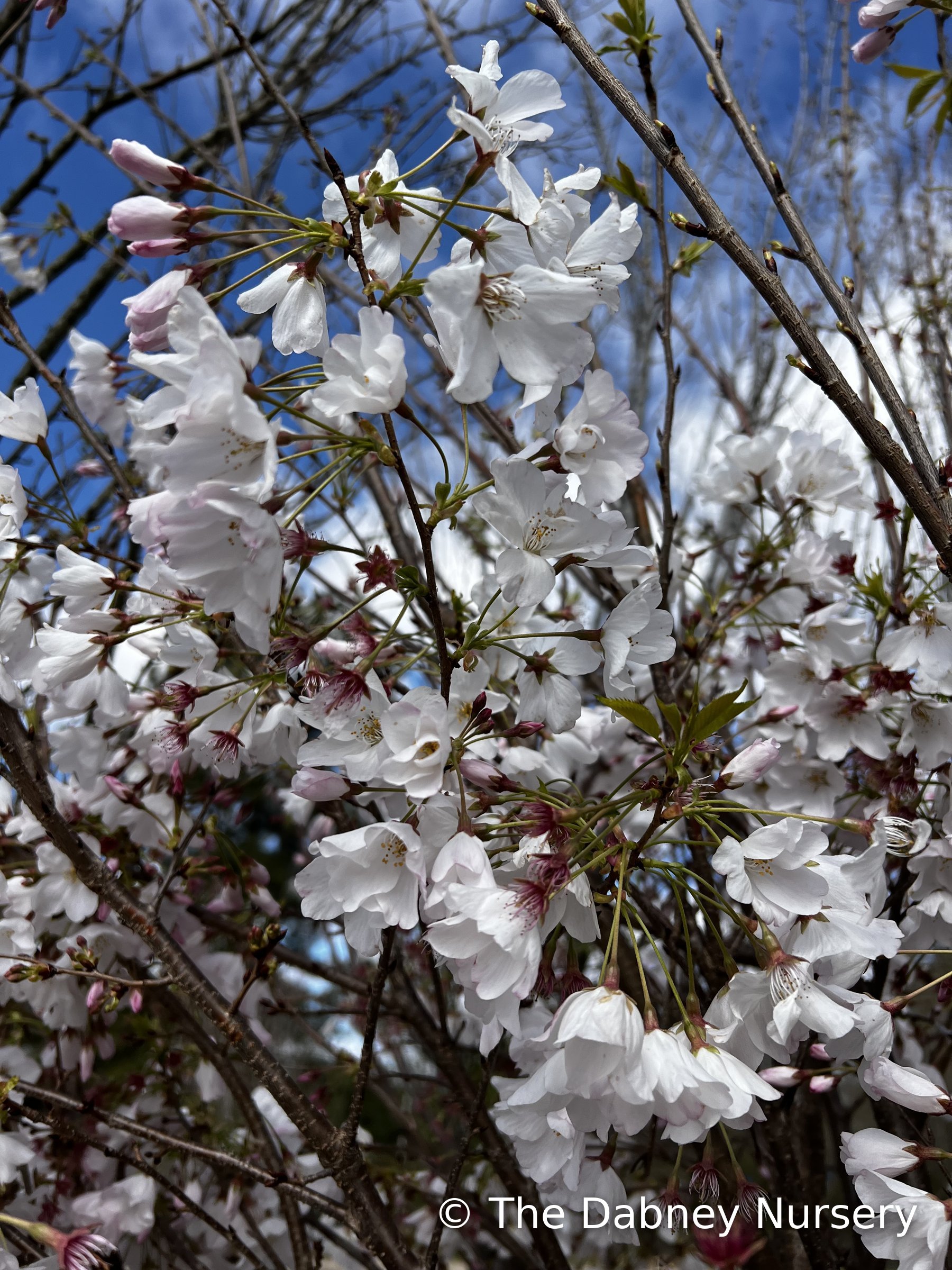
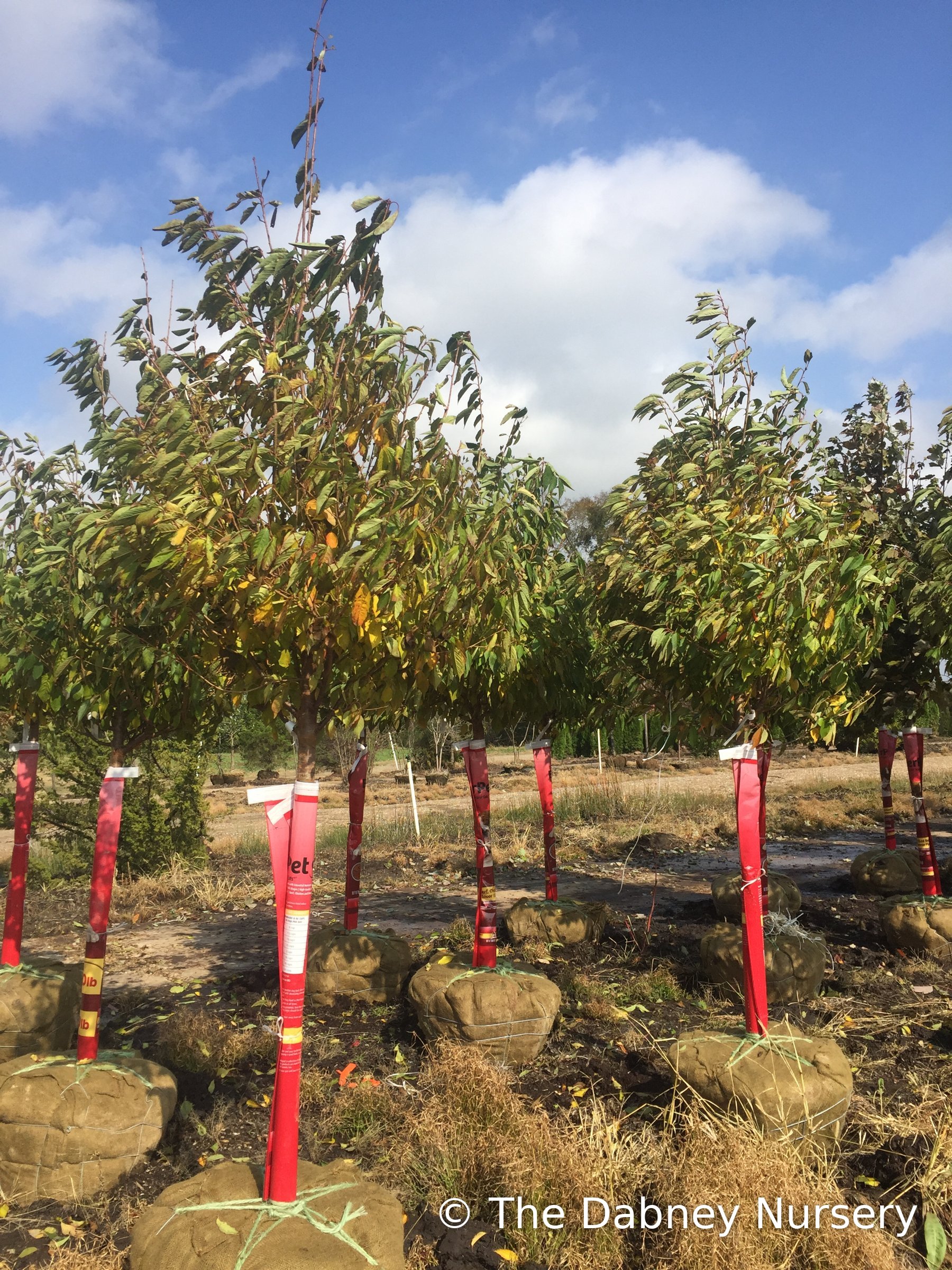
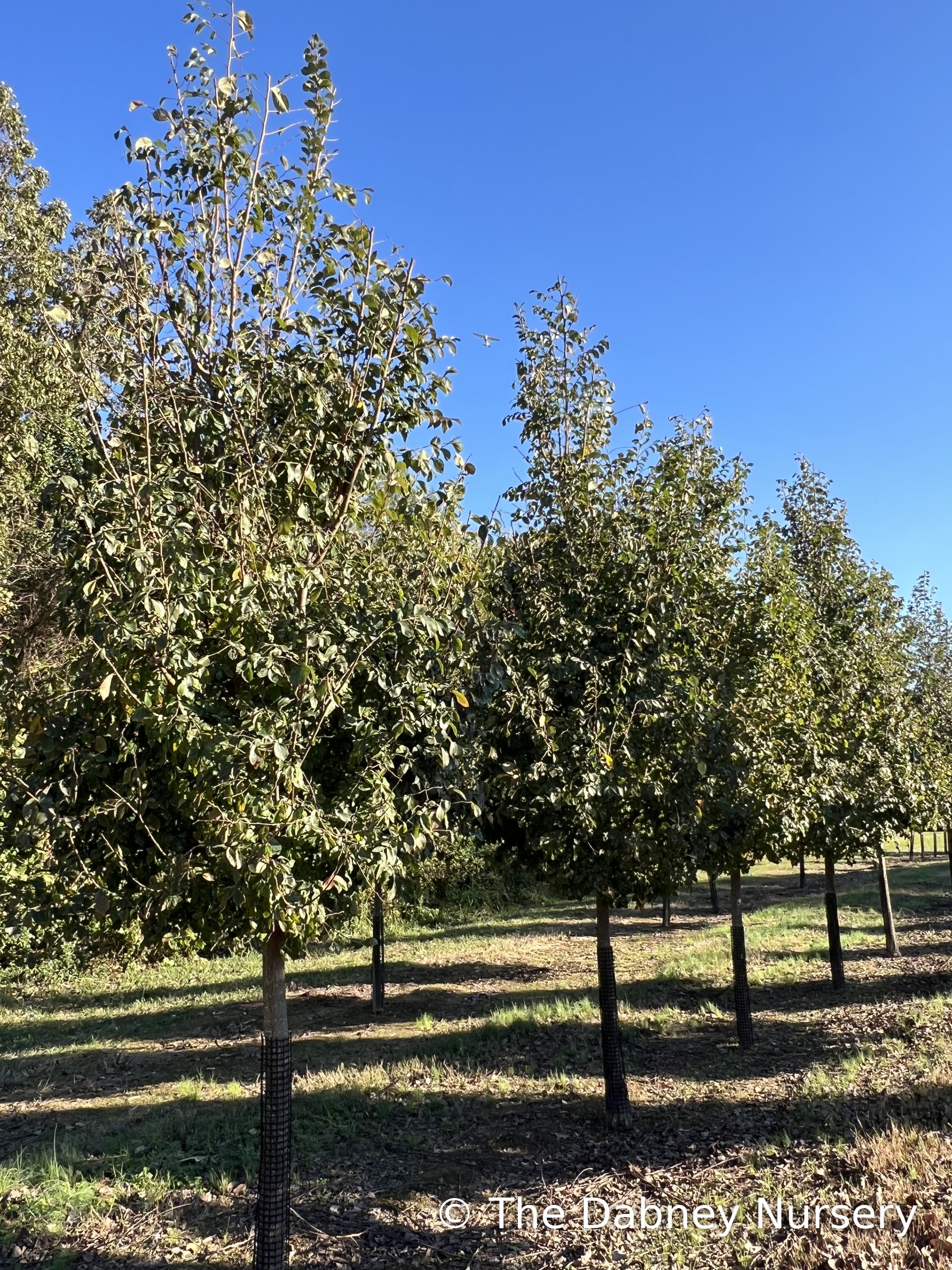
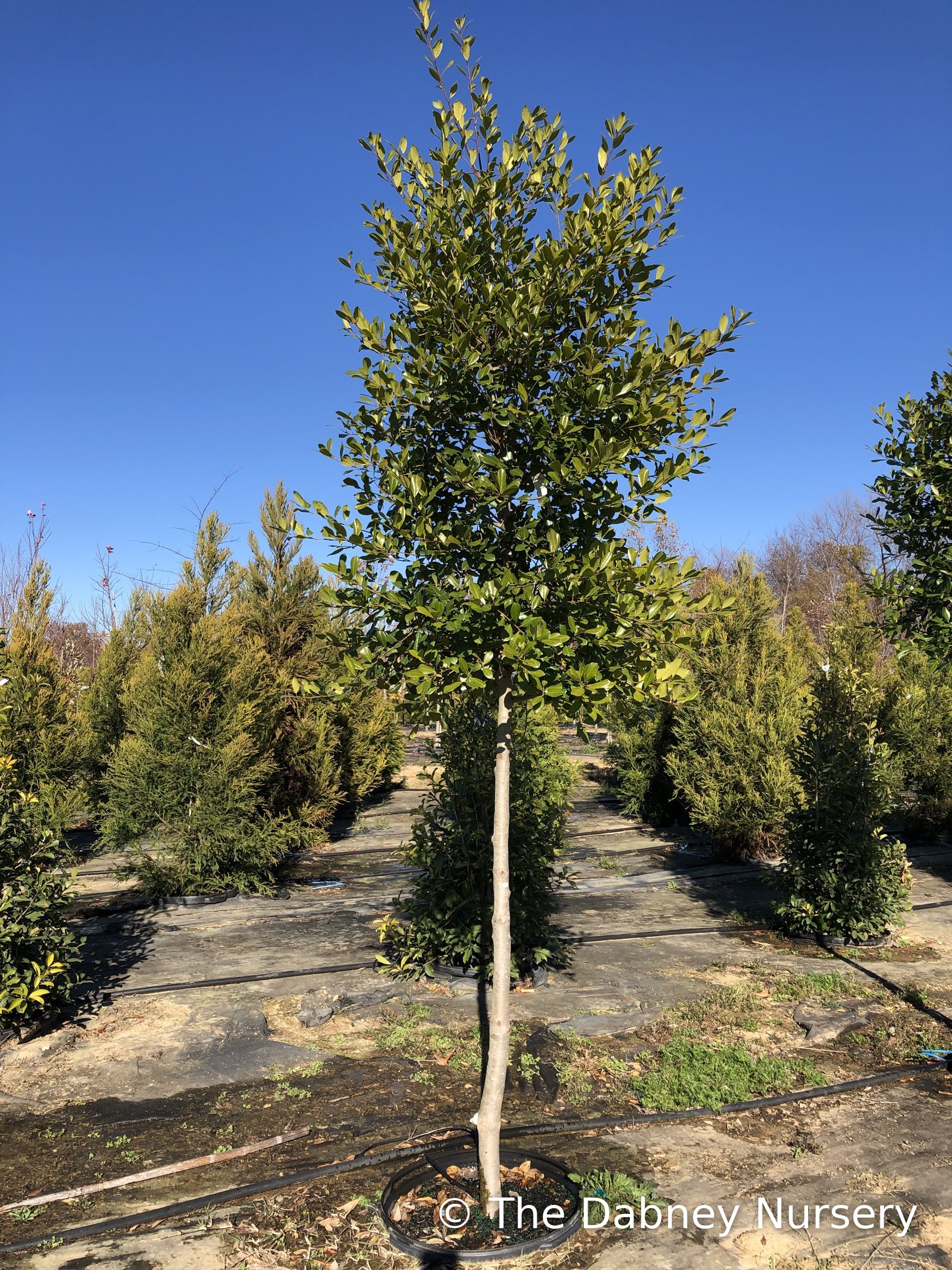
Krauter Vesuvius is the darkest of the purple leaf plums, holding near black-purple foliage all summer above a rounded, roughly oval frame about 20 feet tall and 15 feet wide. A profusion of showy light pink flowers covers the bare branches in spring and draws pollinators, and the tree seldom sets fruit. It wants full sun and a humus rich, well drained soil, grows at a moderate rate and tolerates urban pollution and coastal exposure, which is why it is used as a front yard or street tree and as a single accent or matched pair. Prune in late winter. The species is short lived and prone to insect and disease problems, and its leaves, seeds and stems contain cyanogenic glycosides and are toxic to people, dogs, cats and horses.
- Full Sun
- Grows to 20 ft tall and 15 ft wide
- Blooms in spring
- Hardy in USDA zones 4-9
- Deciduous foliage
Plant description
Krauter Vesuvius is the darkest of the purple leaf plums, holding near black-purple foliage all summer above a rounded, roughly oval frame about 20 feet tall and 15 feet wide. A profusion of showy light pink flowers covers the bare branches in spring and draws pollinators, and the tree seldom sets fruit. It wants full sun and a humus rich, well drained soil, grows at a moderate rate and tolerates urban pollution and coastal exposure, which is why it is used as a front yard or street tree and as a single accent or matched pair. Prune in late winter. The species is short lived and prone to insect and disease problems, and its leaves, seeds and stems contain cyanogenic glycosides and are toxic to people, dogs, cats and horses.
- Flowers
- Fragrant, five-petaled flowers 0.75 to 1 inch wide, white on the species and pink on cultivars, clustered on the twigs and opening in April as the leaves emerge.
- Foliage
- Alternate, simple, shiny leaves with serrated margins, pale and downy along the midrib and veins beneath. Purple-leaved cultivars keep their color until leaf drop.
- Fruit
- A smooth, round drupe, yellow or red and reddish-purple on cultivars, ripening mid to late summer; fruit production is generally light.
- Bark & stems
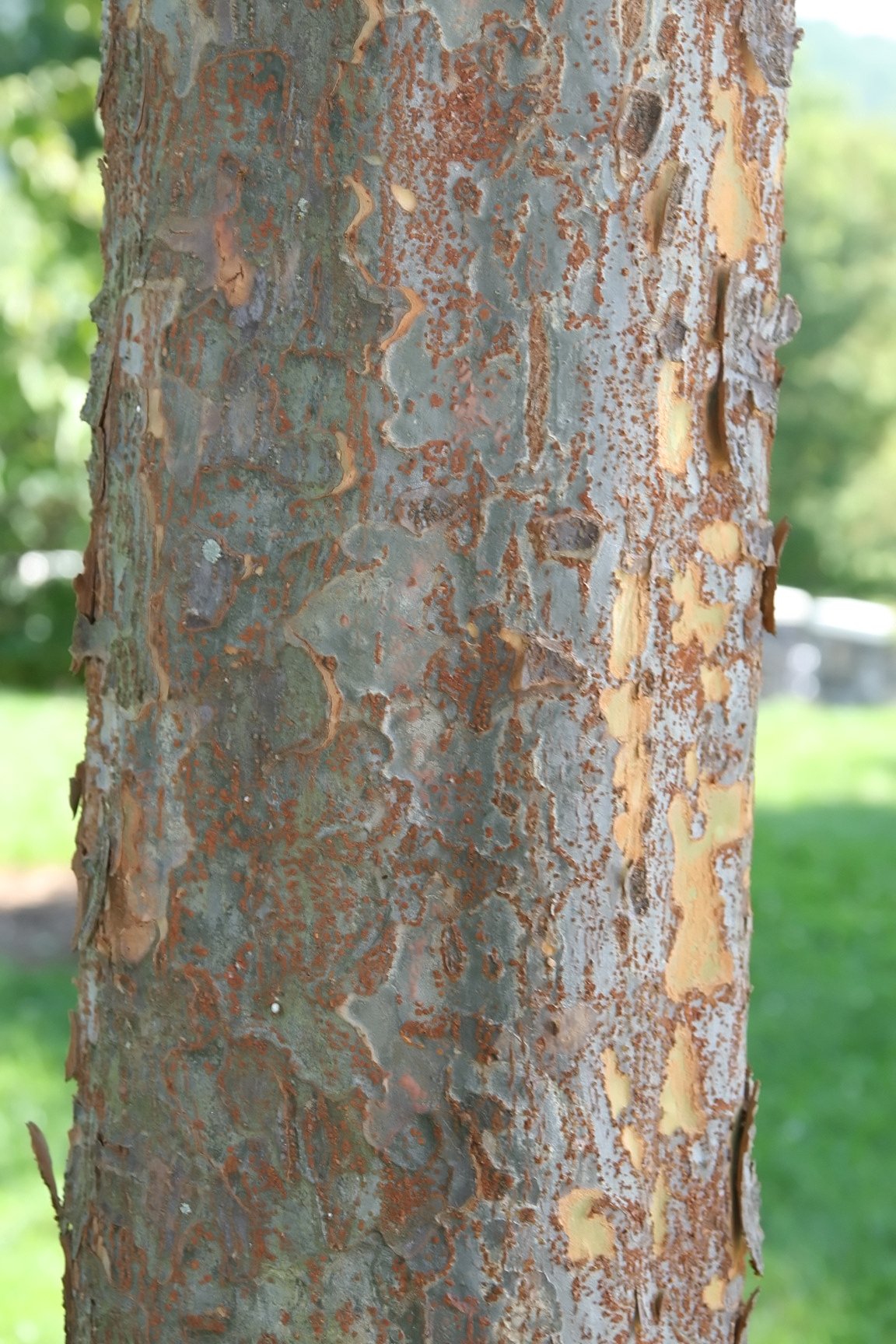
- Young bark is red-brown to dark gray and smooth with many horizontal lenticels; with age it splits vertically and becomes irregularly ridged and furrowed.
- Native range
- Southeast Europe to Central Asia and the Himalayas