

Plant: DD Blanchard - Magnolia
Magnolia · Magnolia grandiflora 'DD Blanchard'
Size: 15 gal
Light
Bloom
Mature size
More about this plant
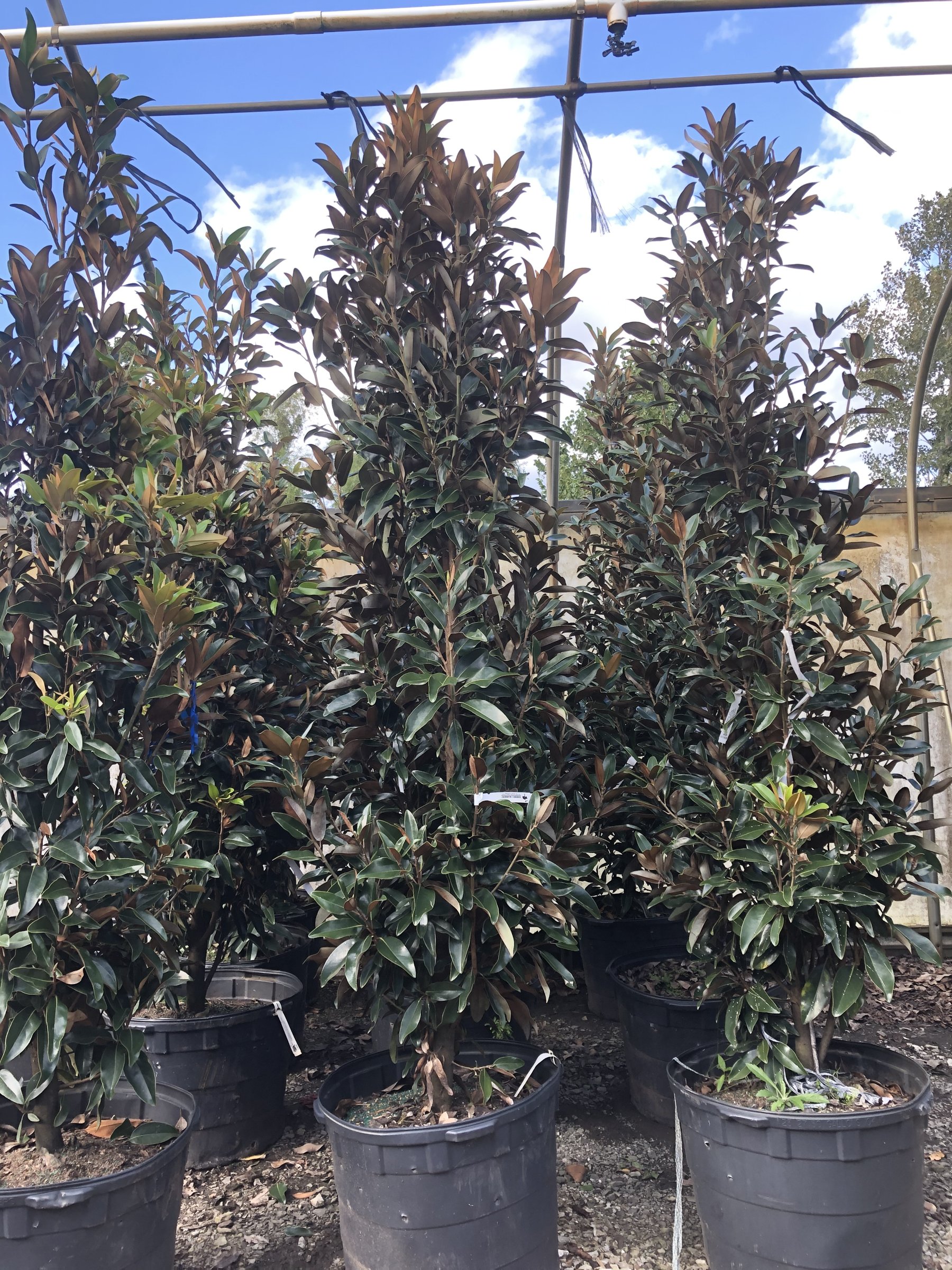
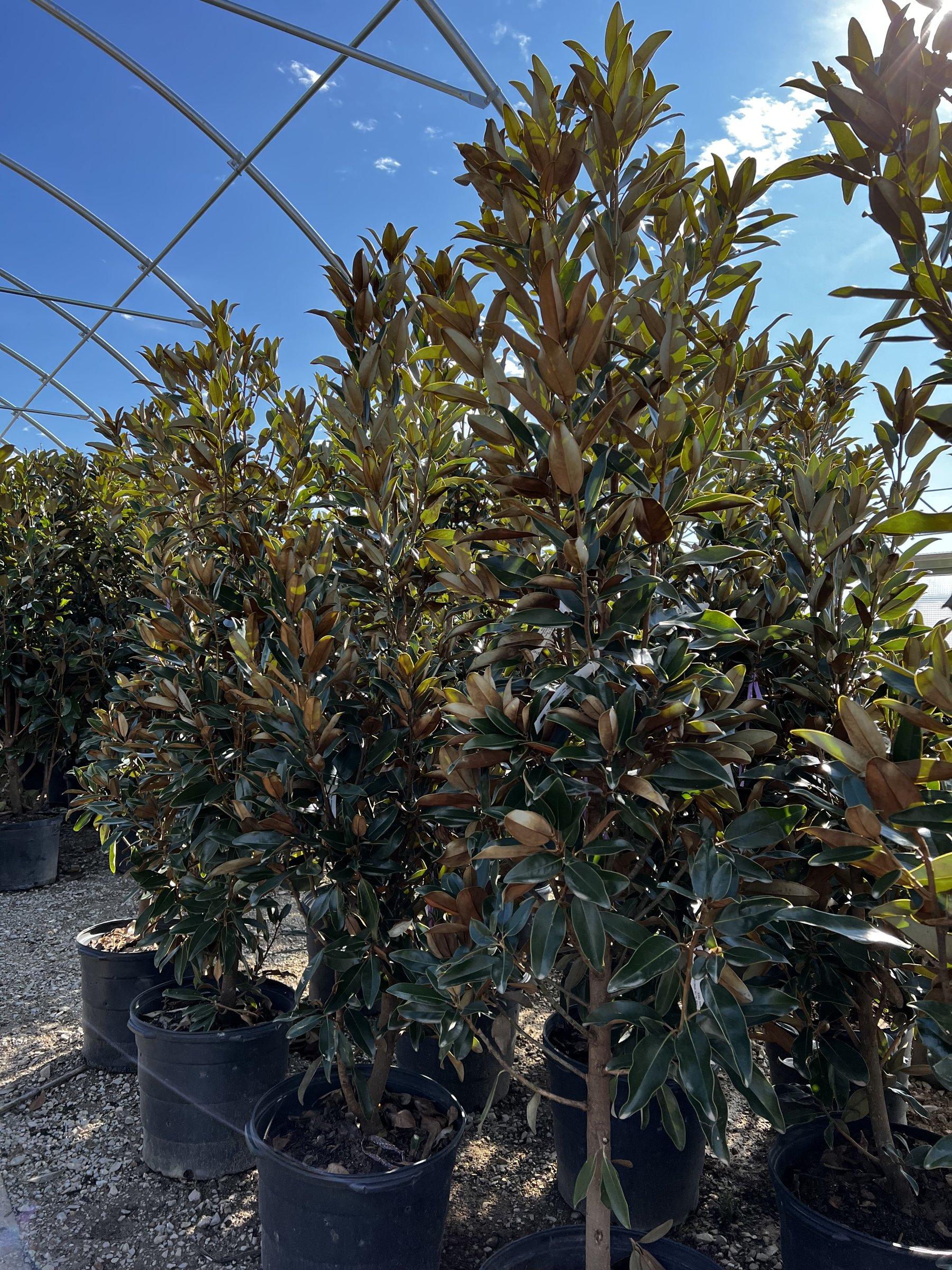
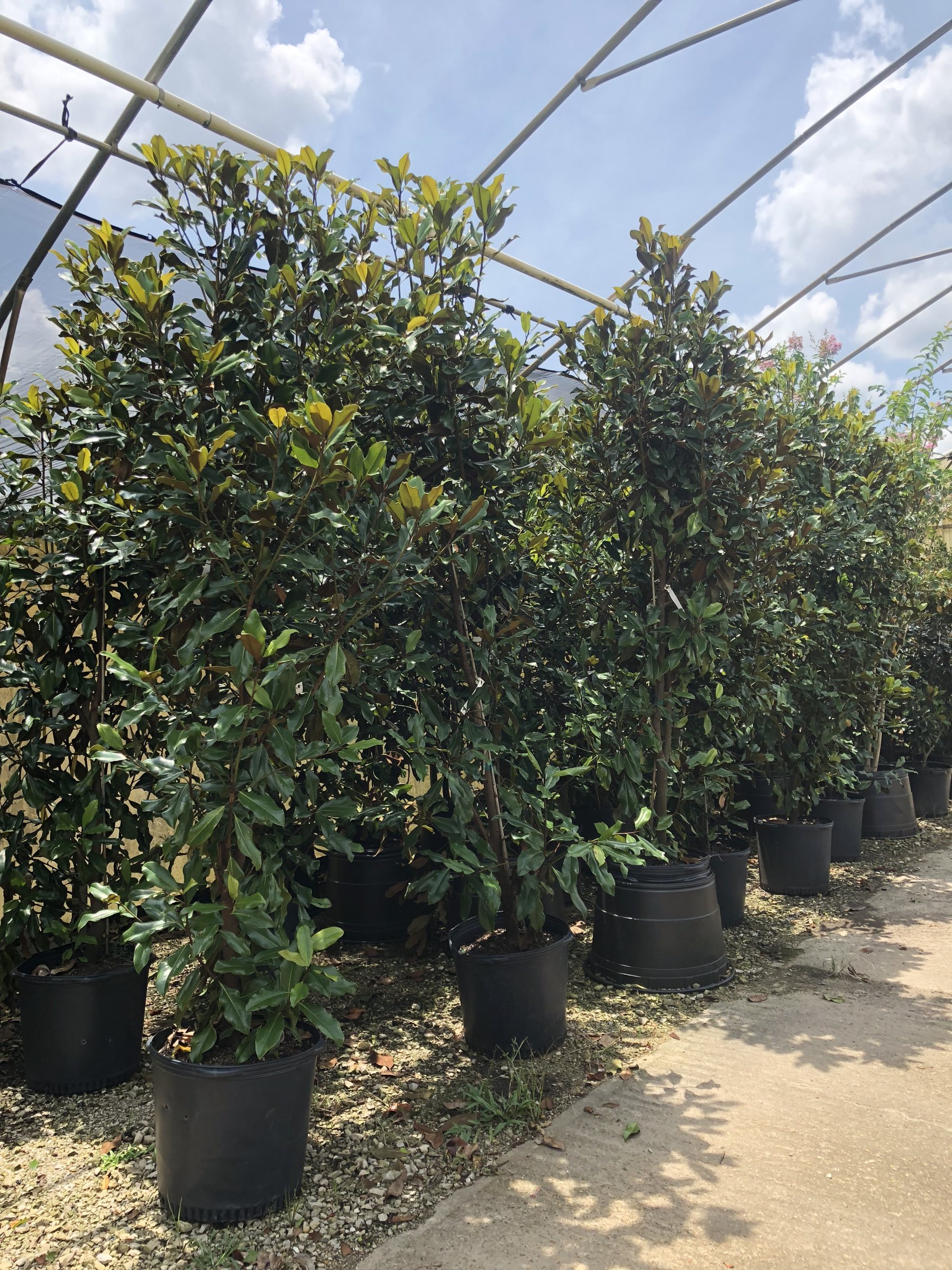
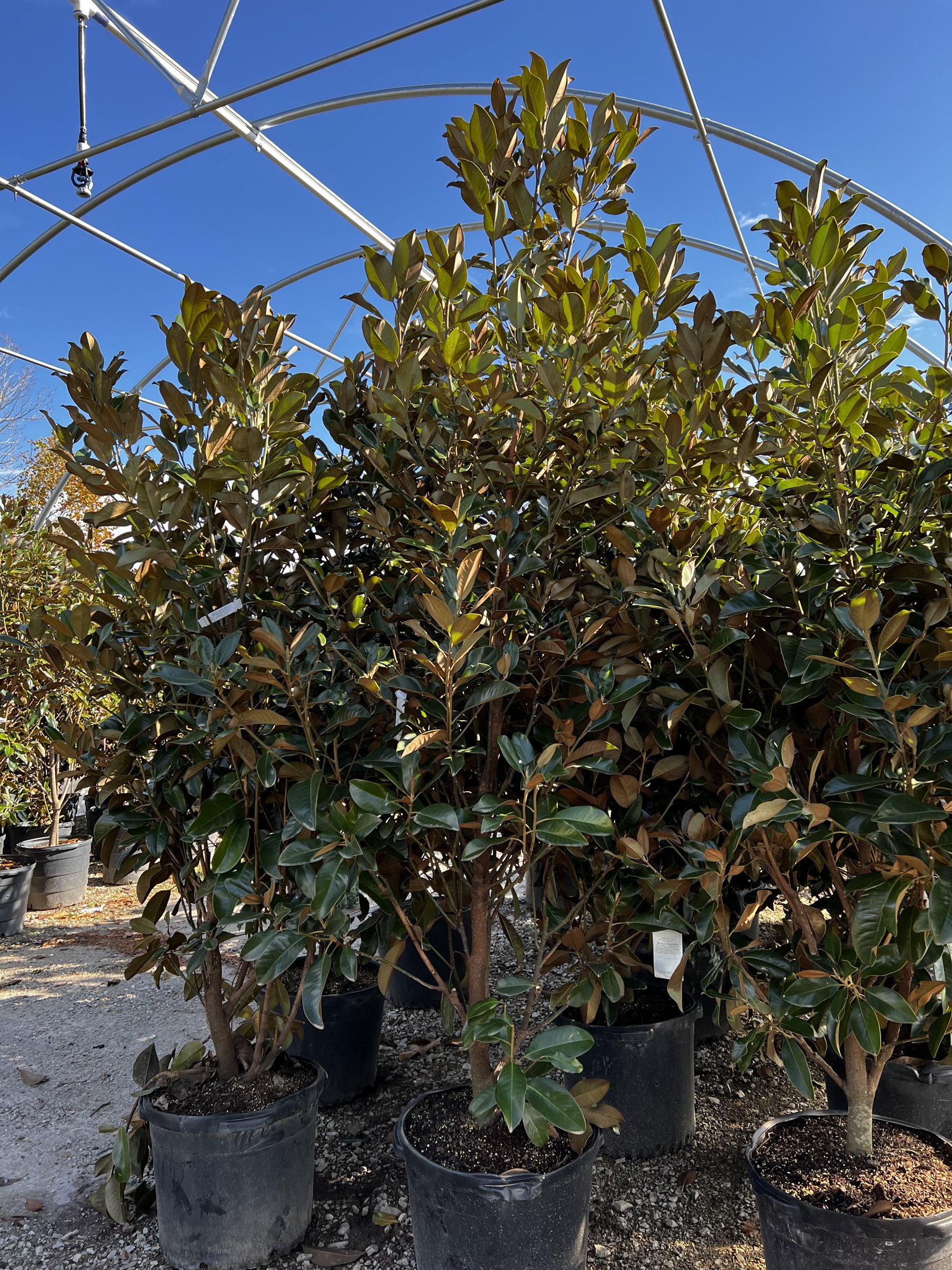
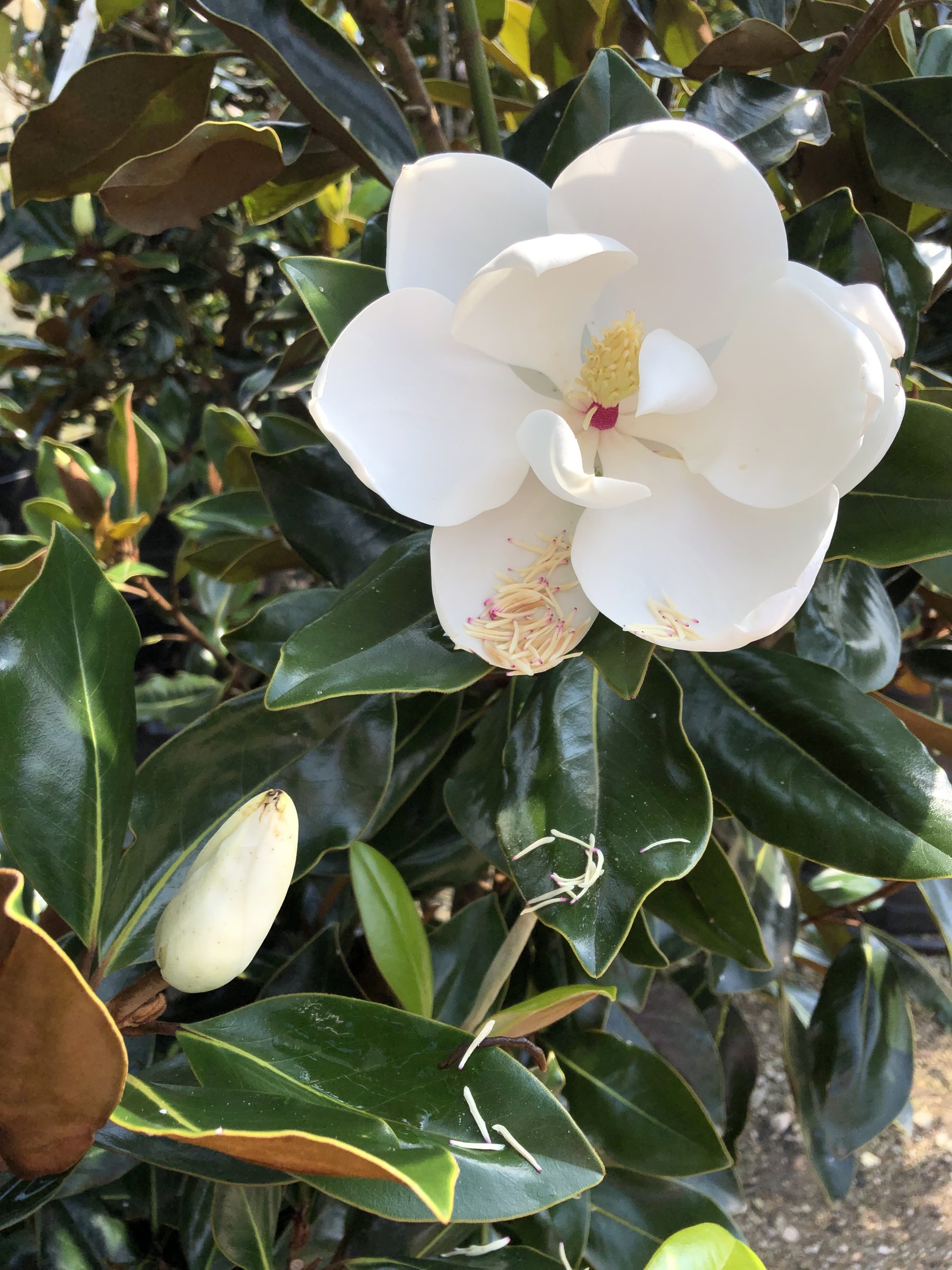
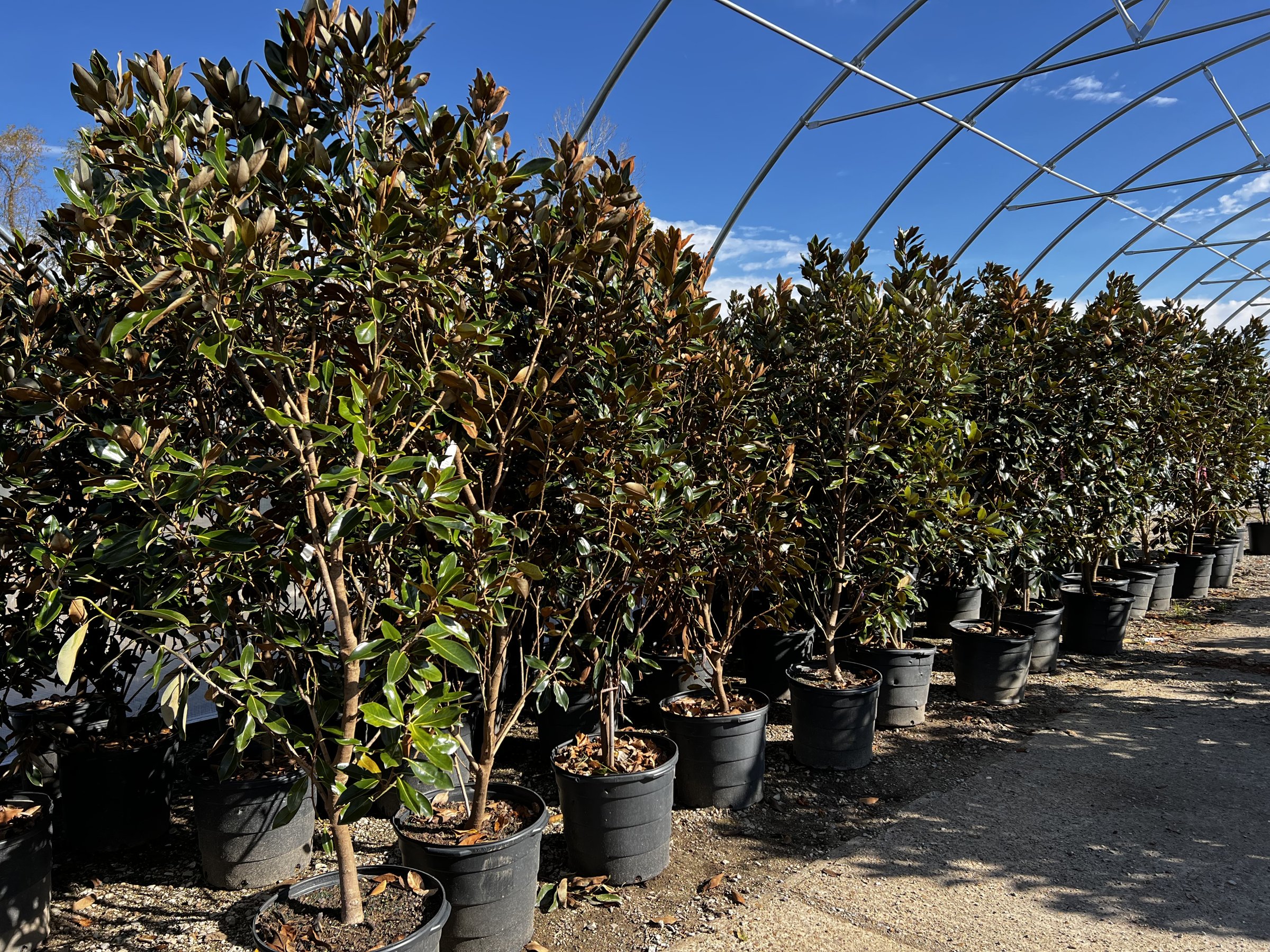
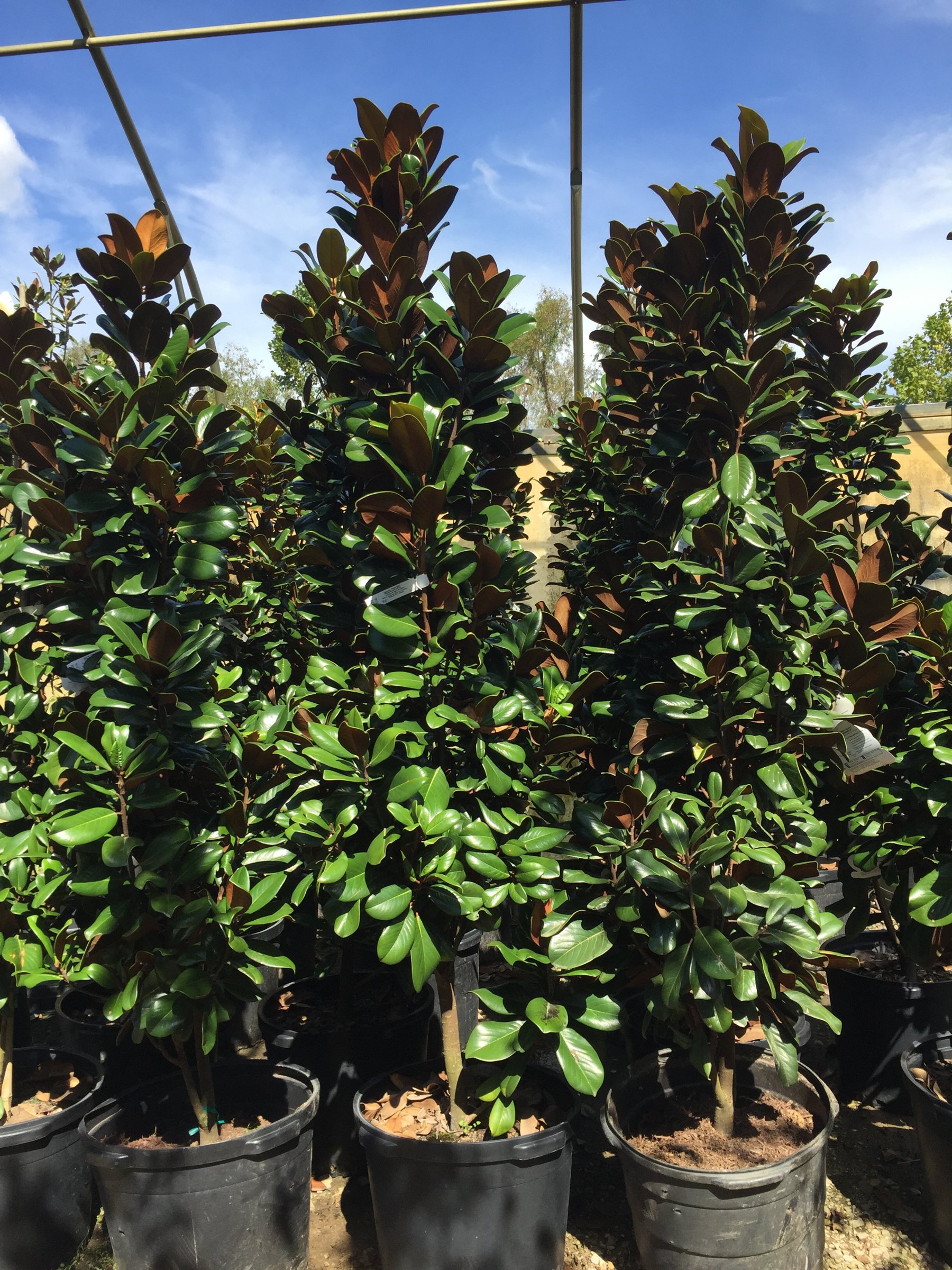
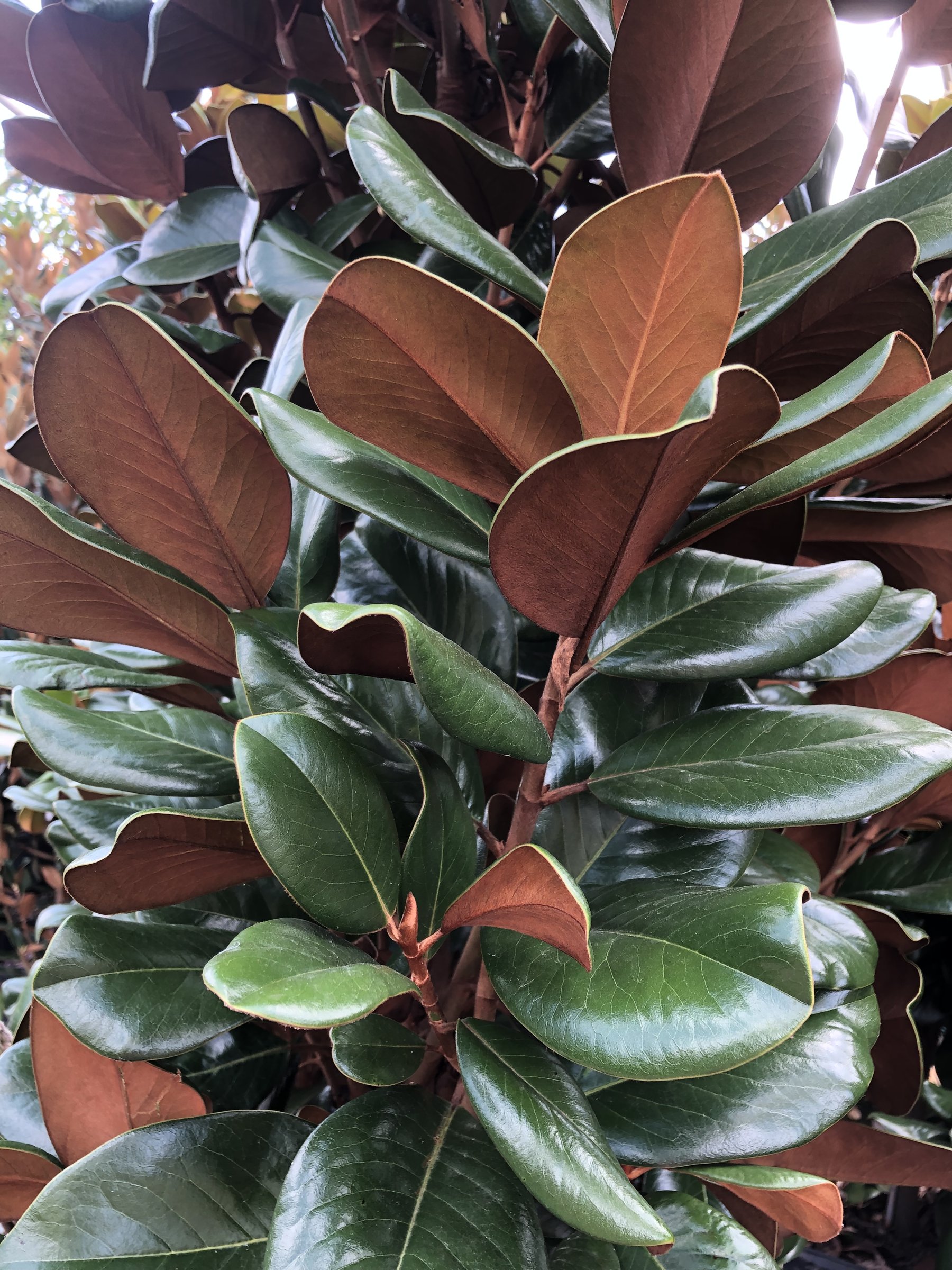
A large evergreen magnolia with a dense pyramidal form, reaching about 50 feet tall and 25 to 30 feet wide. Its coarse leathery leaves are glossy dark green above with a light rusty orange felt beneath, and fragrant creamy white saucer shaped flowers six to eight inches across open in late spring and early summer. Cone like fruiting clusters split in fall to release rose red seeds that birds and small mammals take. It grows in full sun to partial shade in moist, well drained soil over a wide pH range, tolerates salt, wind and urban conditions, and serves as a specimen, shade tree or evergreen screen.
- Full Sun
- Grows to 50 ft tall and 30 ft wide
- Blooms in spring, summer
- Hardy in USDA zones 6-10
- Evergreen foliage
- Native plant
Plant description
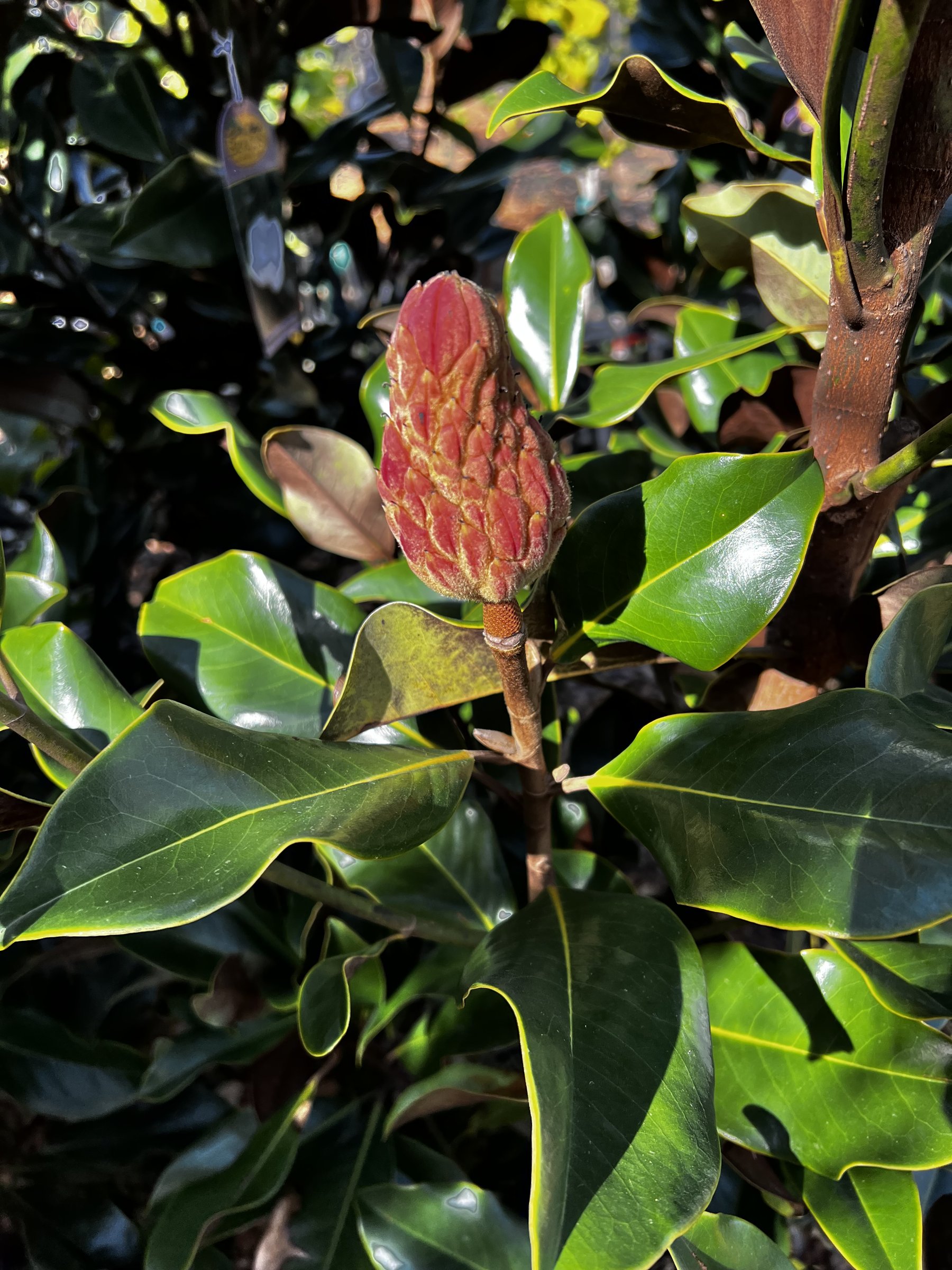
A large evergreen magnolia with a dense pyramidal form, reaching about 50 feet tall and 25 to 30 feet wide. Its coarse leathery leaves are glossy dark green above with a light rusty orange felt beneath, and fragrant creamy white saucer shaped flowers six to eight inches across open in late spring and early summer. Cone like fruiting clusters split in fall to release rose red seeds that birds and small mammals take. It grows in full sun to partial shade in moist, well drained soil over a wide pH range, tolerates salt, wind and urban conditions, and serves as a specimen, shade tree or evergreen screen.
- Flowers
- Fragrant creamy white saucer shaped flowers six to eight inches across, borne singly, usually with six to twelve petals.
- Foliage
- Alternate, simple, leathery evergreen ovate to elliptic leaves that are glossy dark green above with a light rusty orange felted underside.
- Fruit
- Spherical cone like fruiting clusters mature in September and October, releasing rose red coated seeds suspended on slender threads.
- Bark & stems
- Brown to gray and smooth when young, developing close plates or scales with age.
- Pruning
- Prune after flowering; shape early in the life of the tree to avoid large cuts.
- Native range
- Southeastern United States; Maryland southwest to Texas, southeast to Florida