© The Dabney Nursery
Plant: April Kiss - Japanese Camellia
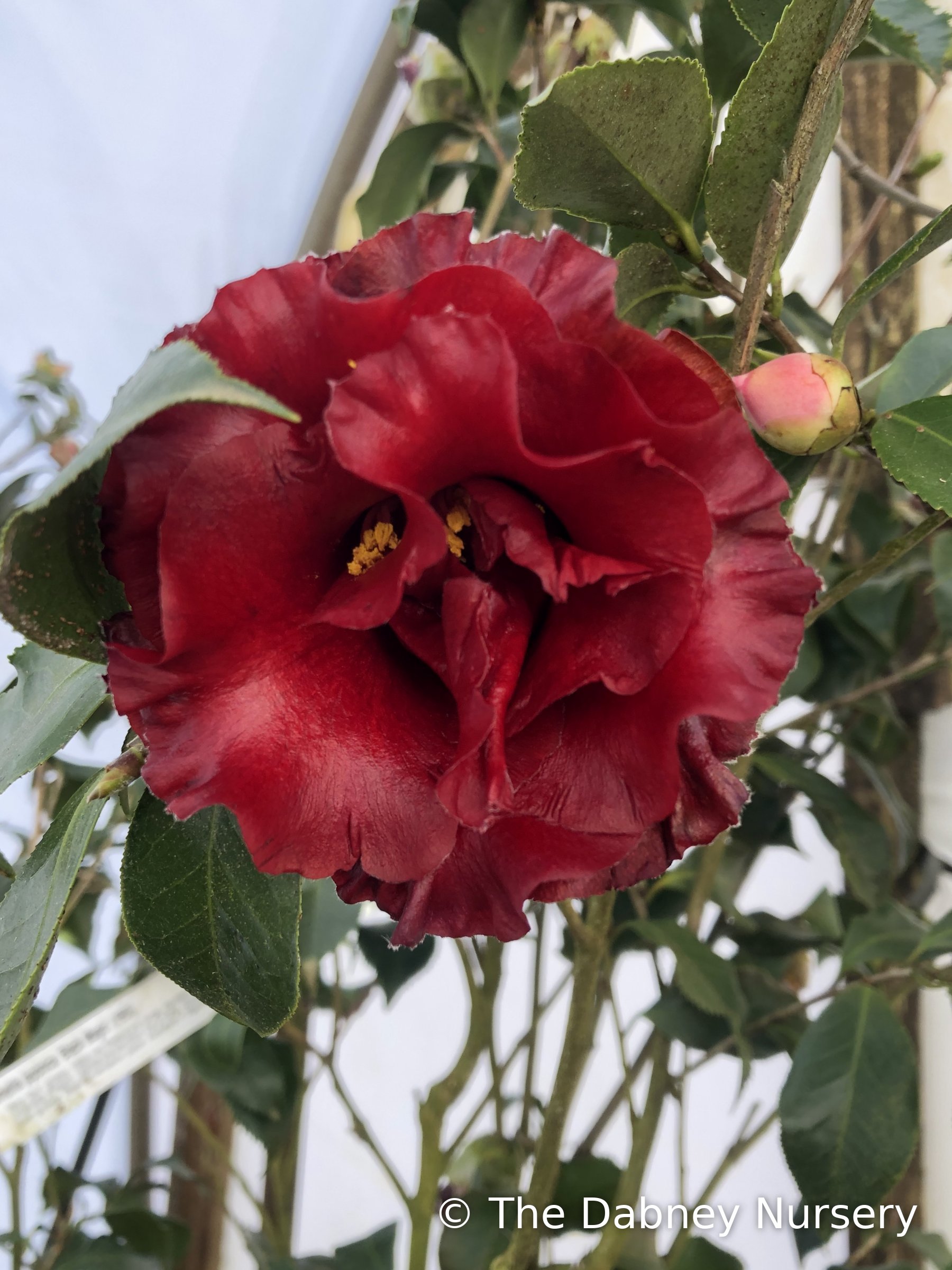
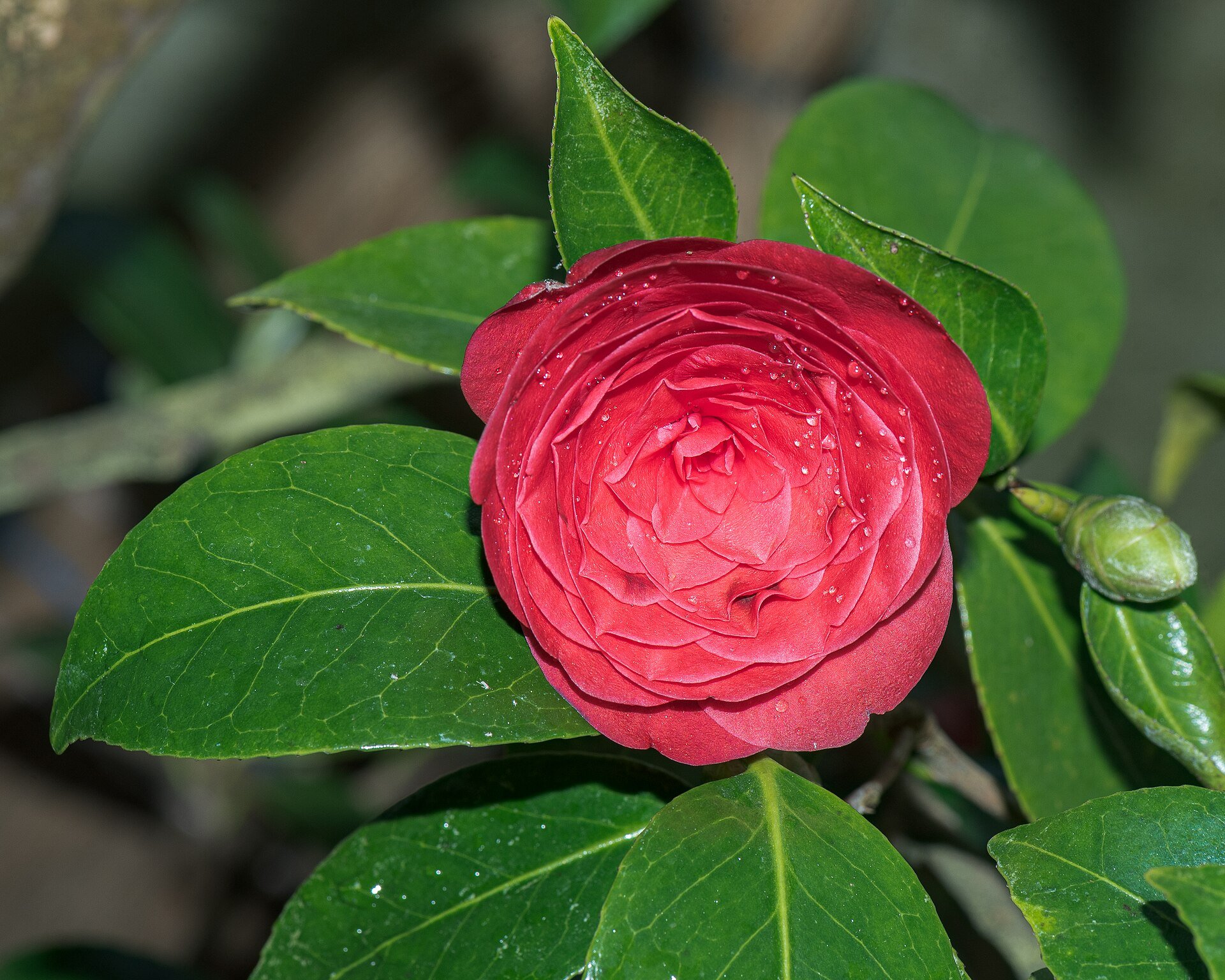
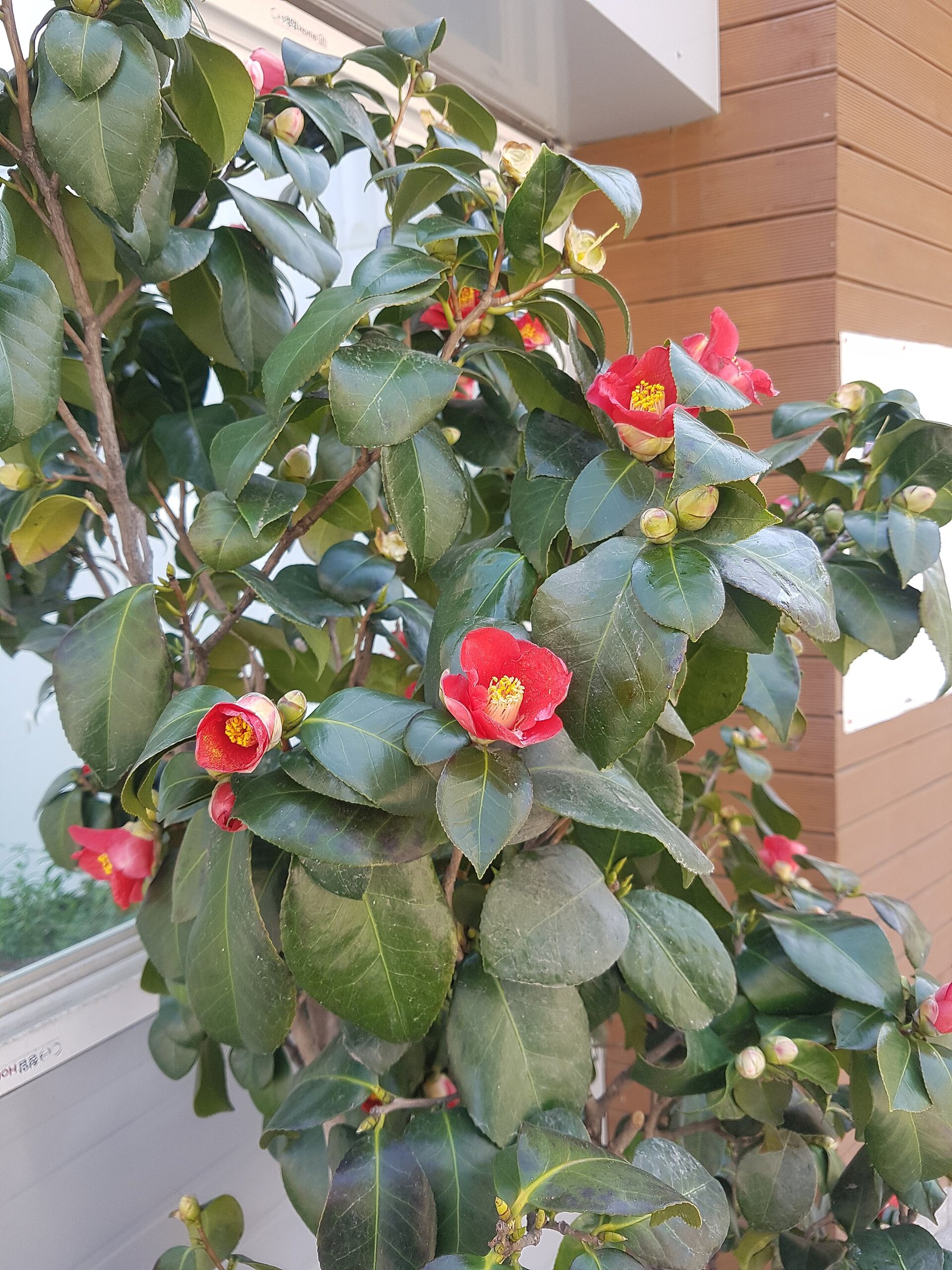
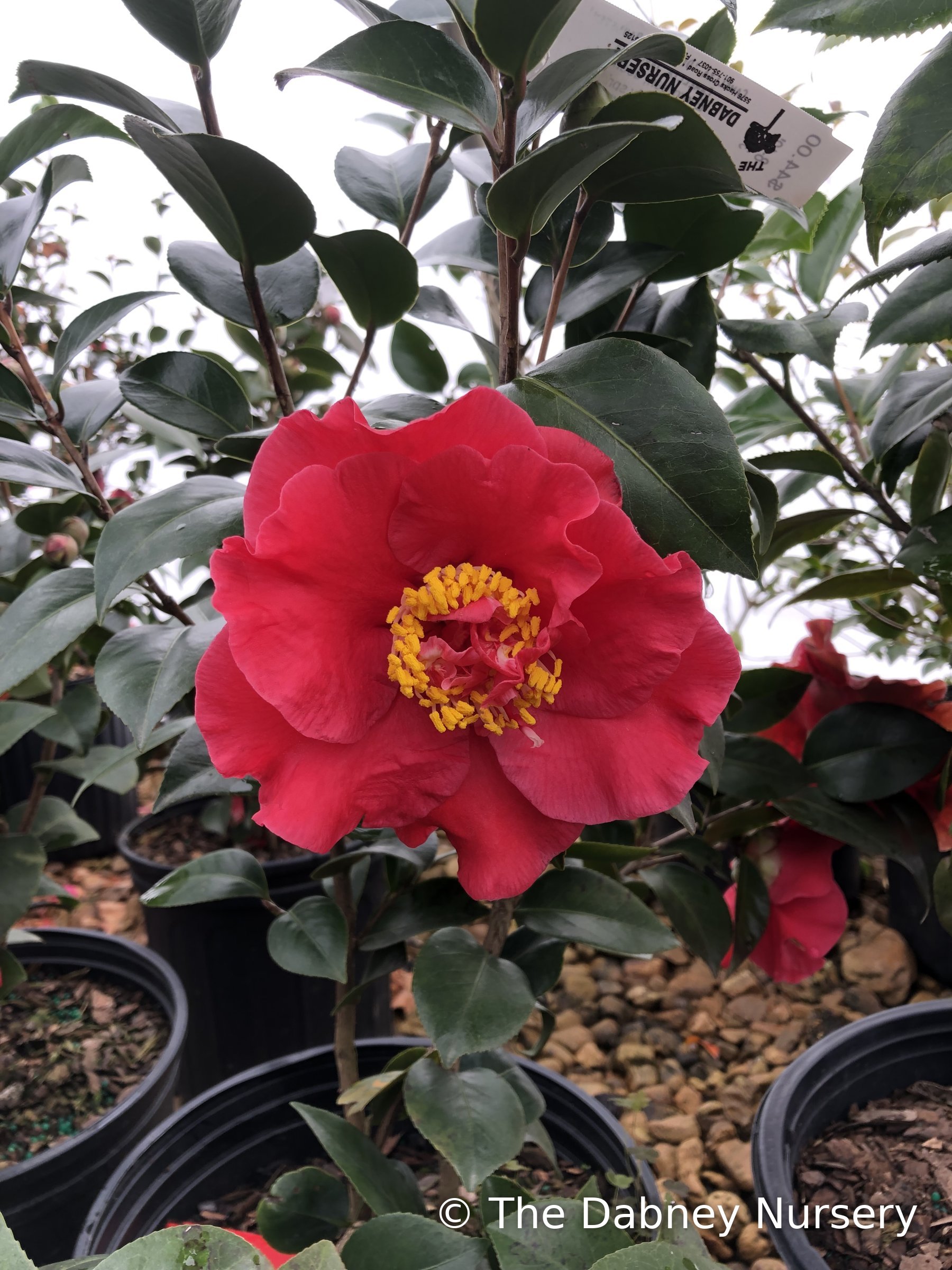
Camellia jap. · Camellia japonica 'April Kiss'
Size: 3 gal
Light
Bloom
Mature size
More about this plant
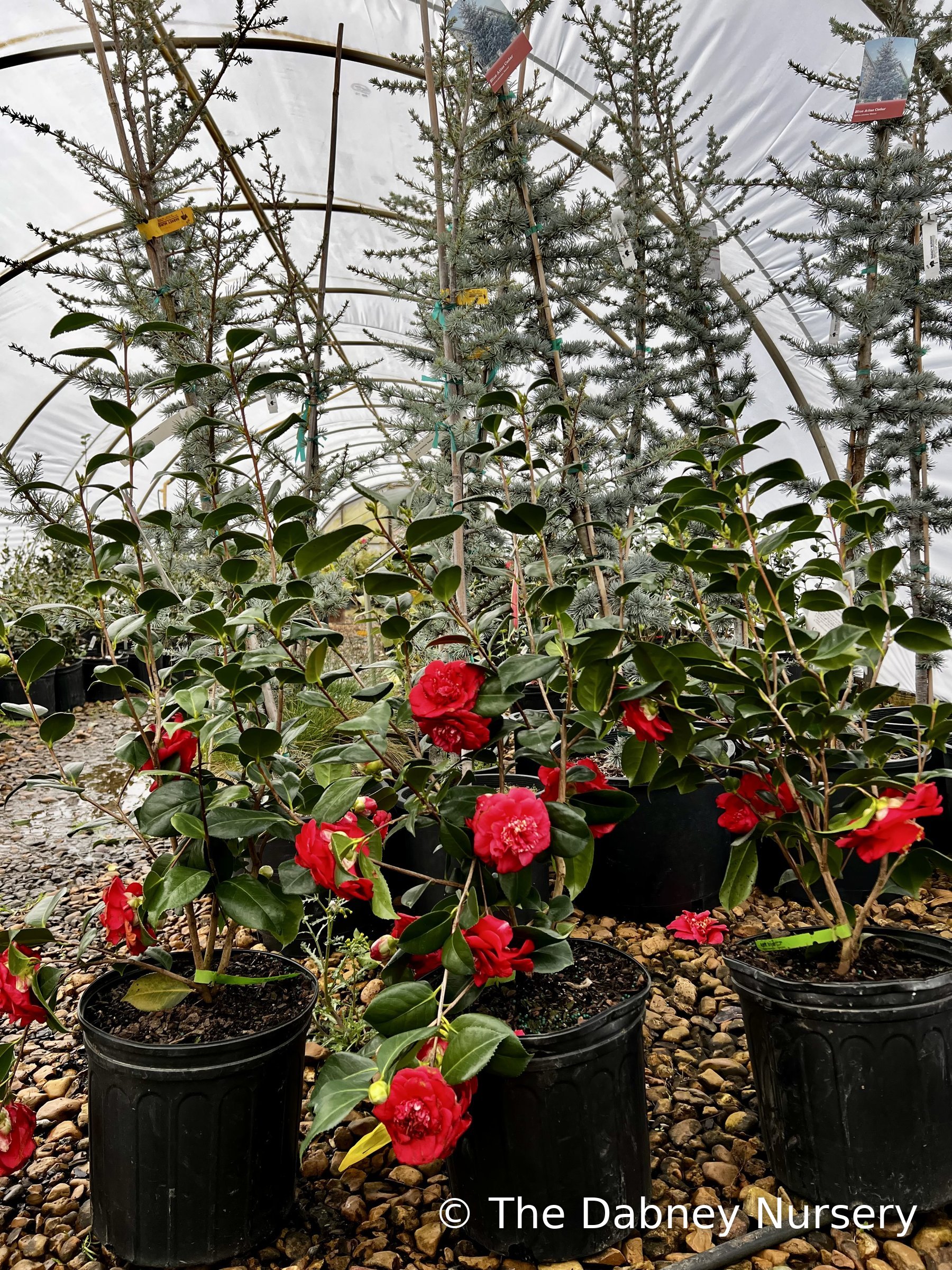
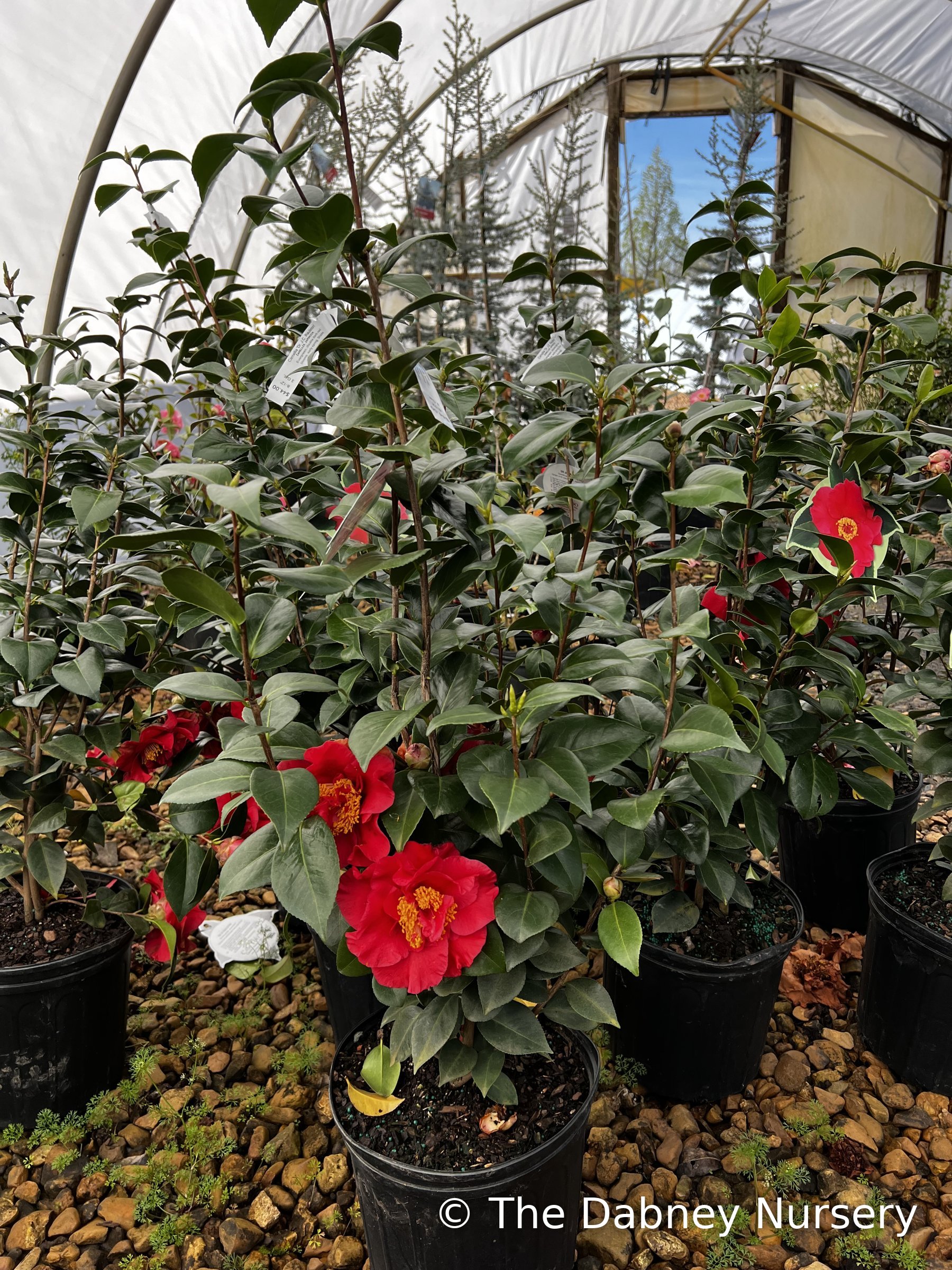
Japanese camellia is a slow growing broadleaf evergreen shrub or small tree in the tea family, native to China, Korea and parts of Japan and long a southern garden favourite. It forms a dense, erect, columnar to pyramidal plant of roughly 10 to 13 feet tall and 5 to 10 feet wide, clothed in glossy leathery leaves 3 to 6 inches long. Large showy solitary flowers, semi double to double and 3 to 5 inches across, open from winter into spring when little else is in bloom. It wants partial shade, soil high in organic matter, acid and well drained but kept moist, and it resists deer and salt. Scale and a range of leaf and root diseases are the usual problems.
- Part Shade
- Grows to 13 ft tall and 10 ft wide
- Blooms in winter, spring
- Hardy in USDA zones 7-9
- Evergreen foliage
Plant description
Japanese camellia is a slow growing broadleaf evergreen shrub or small tree in the tea family, native to China, Korea and parts of Japan and long a southern garden favourite. It forms a dense, erect, columnar to pyramidal plant of roughly 10 to 13 feet tall and 5 to 10 feet wide, clothed in glossy leathery leaves 3 to 6 inches long. Large showy solitary flowers, semi double to double and 3 to 5 inches across, open from winter into spring when little else is in bloom. It wants partial shade, soil high in organic matter, acid and well drained but kept moist, and it resists deer and salt. Scale and a range of leaf and root diseases are the usual problems.
- Flowers
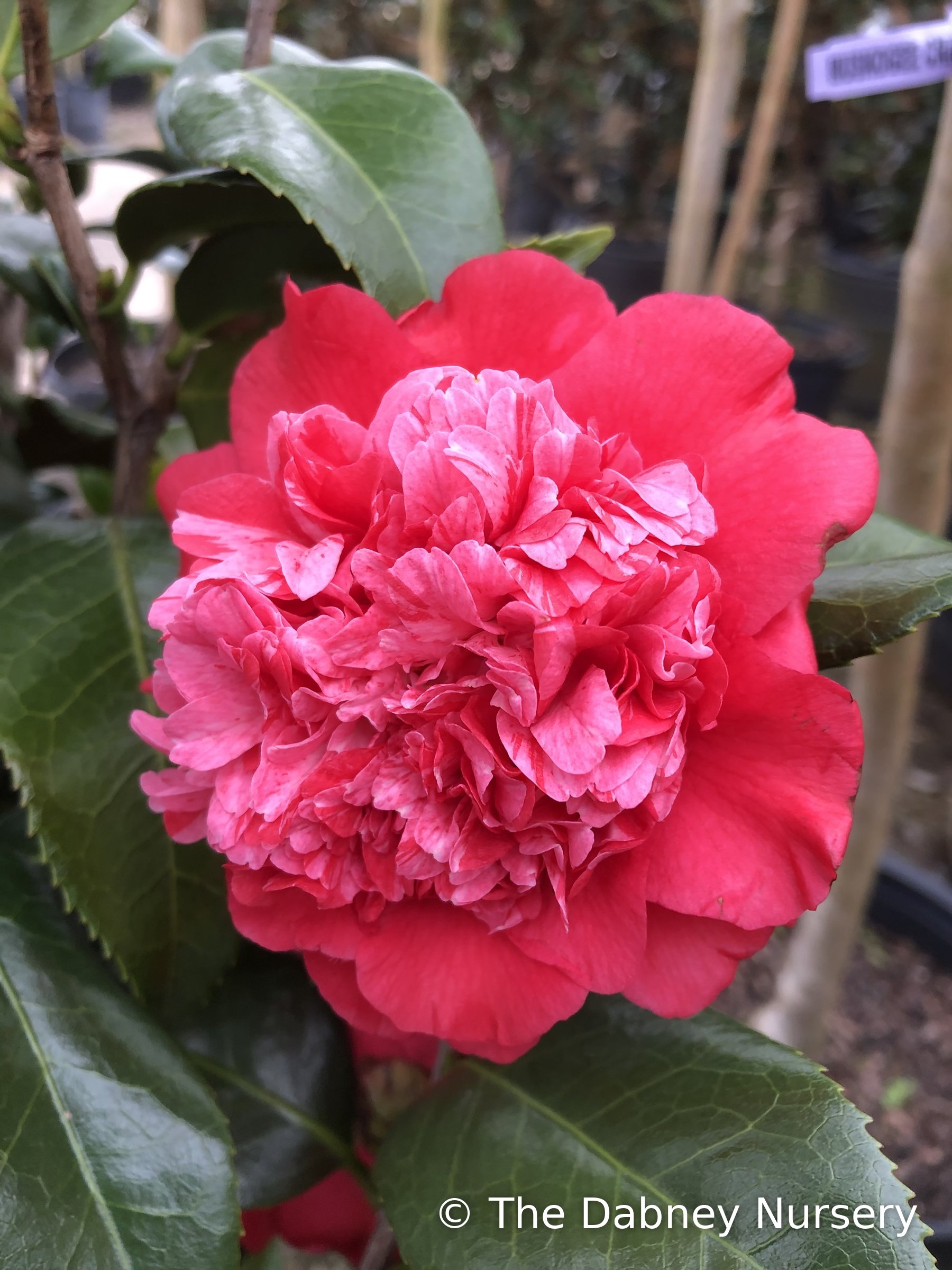
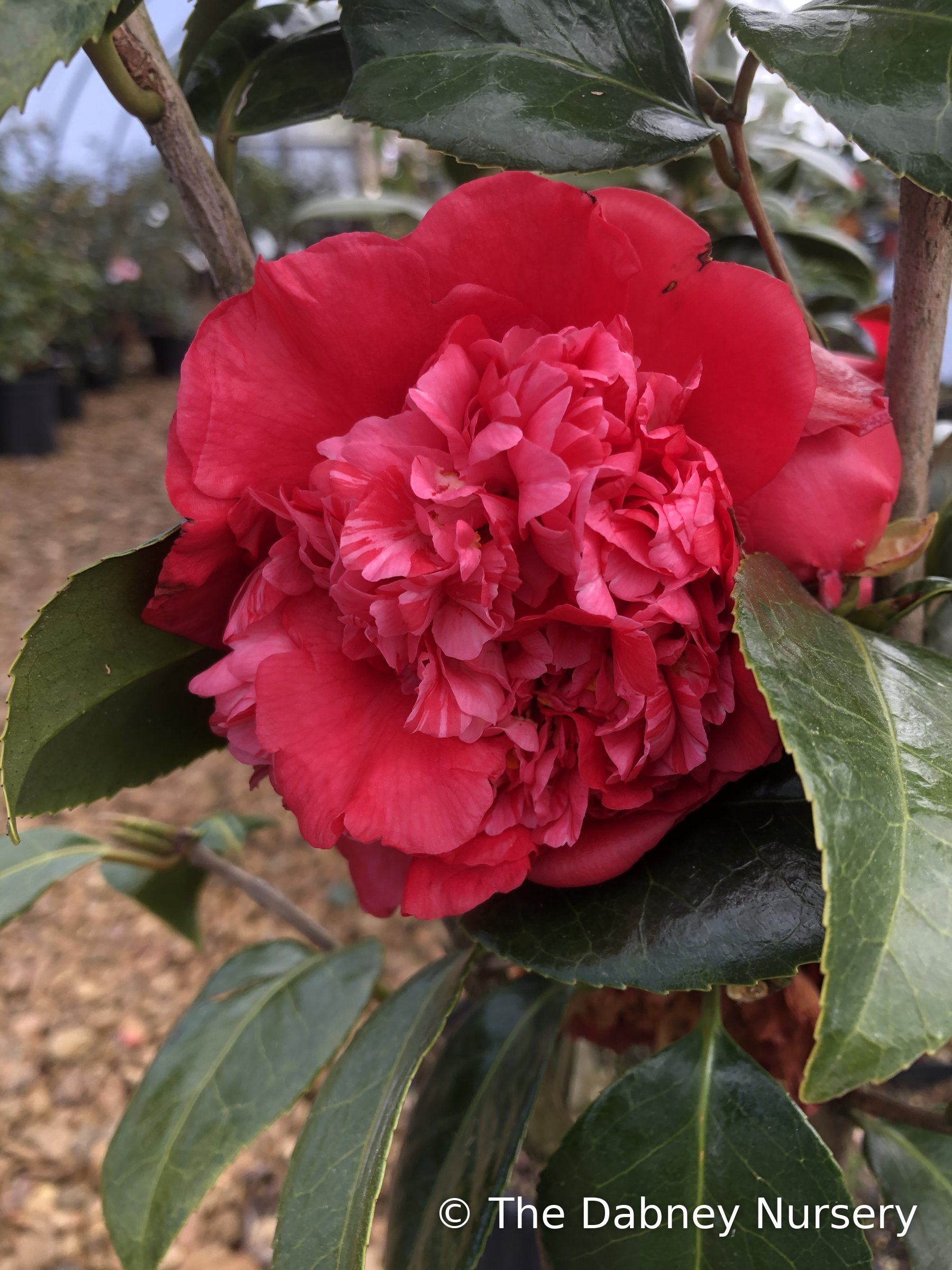
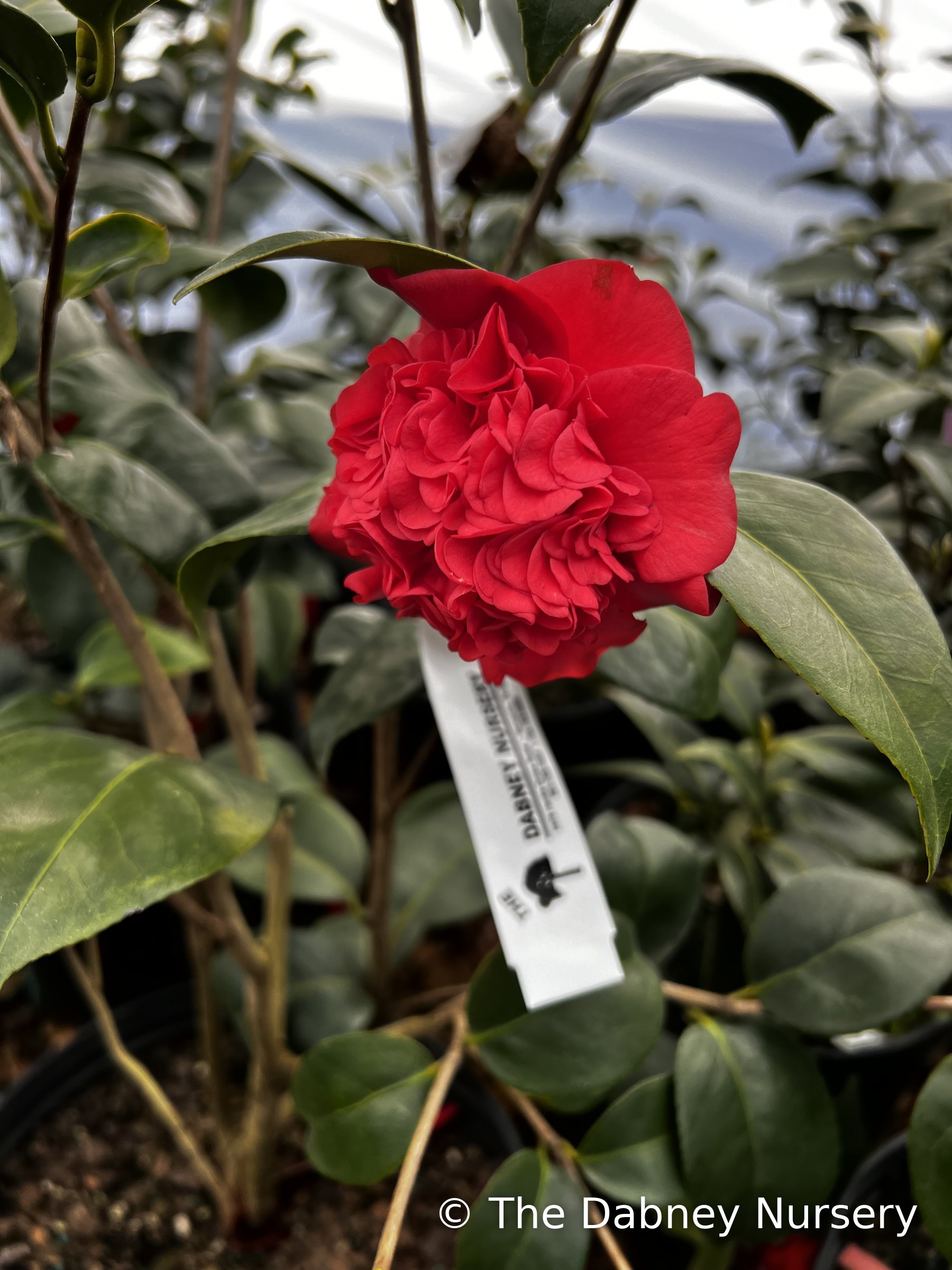
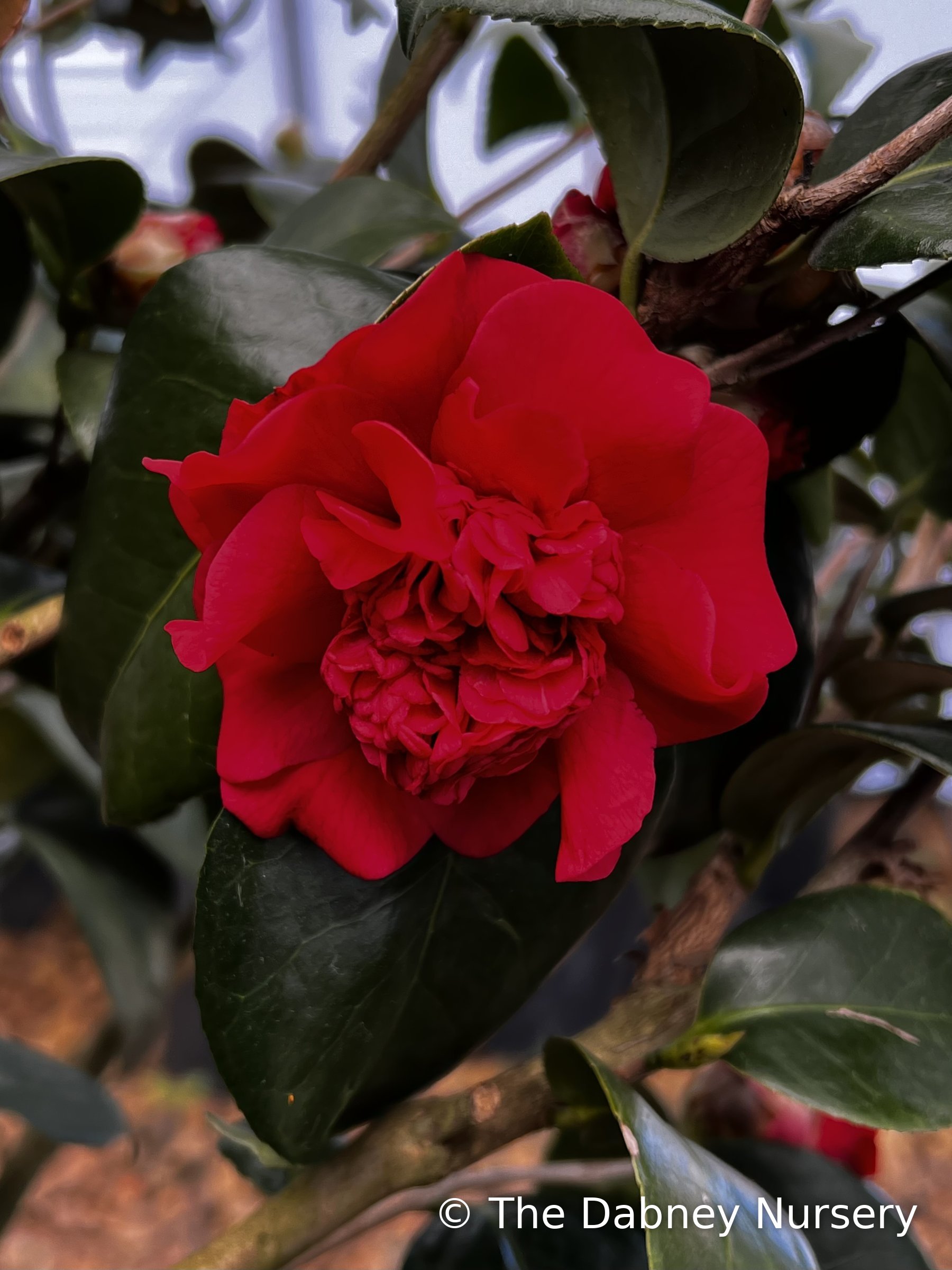
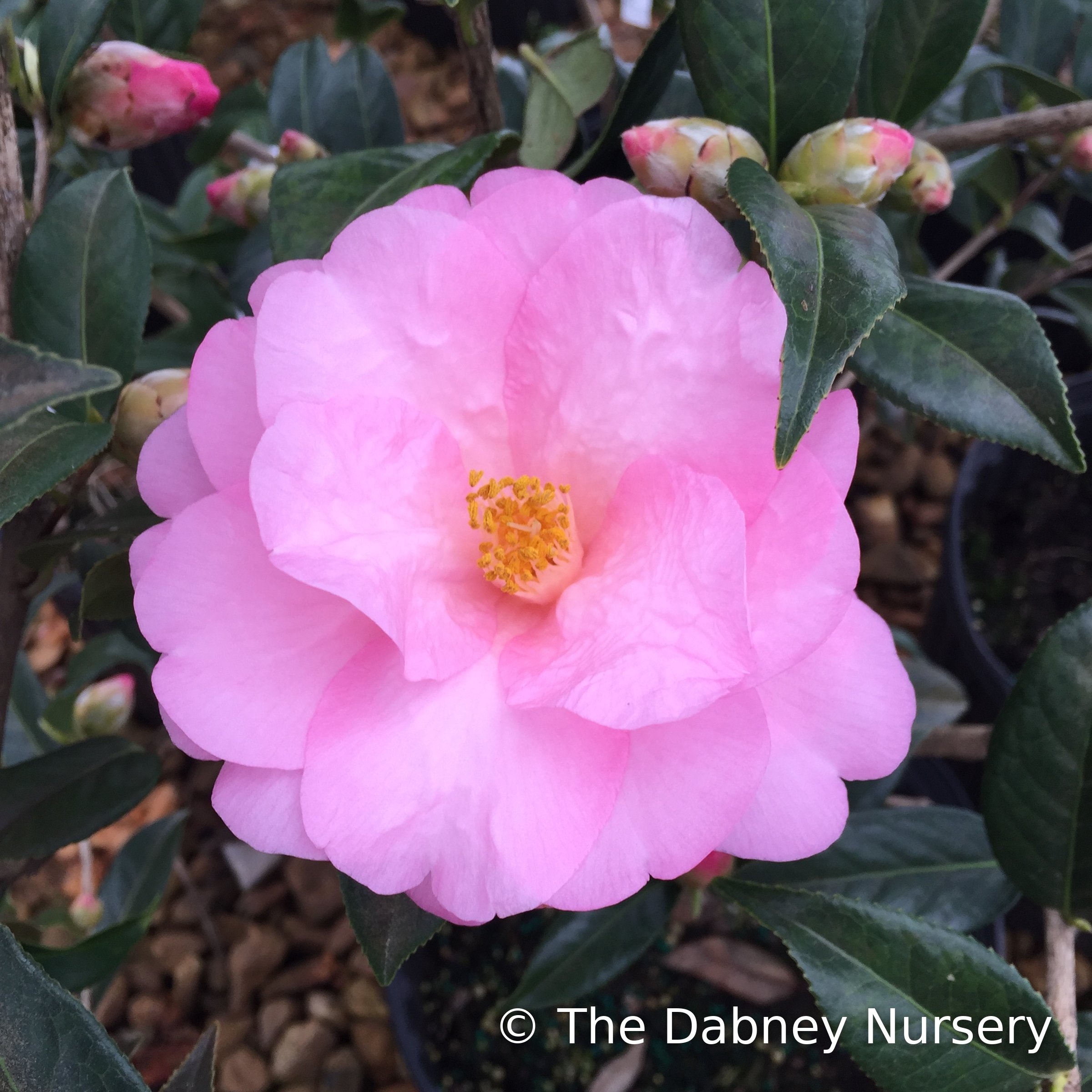
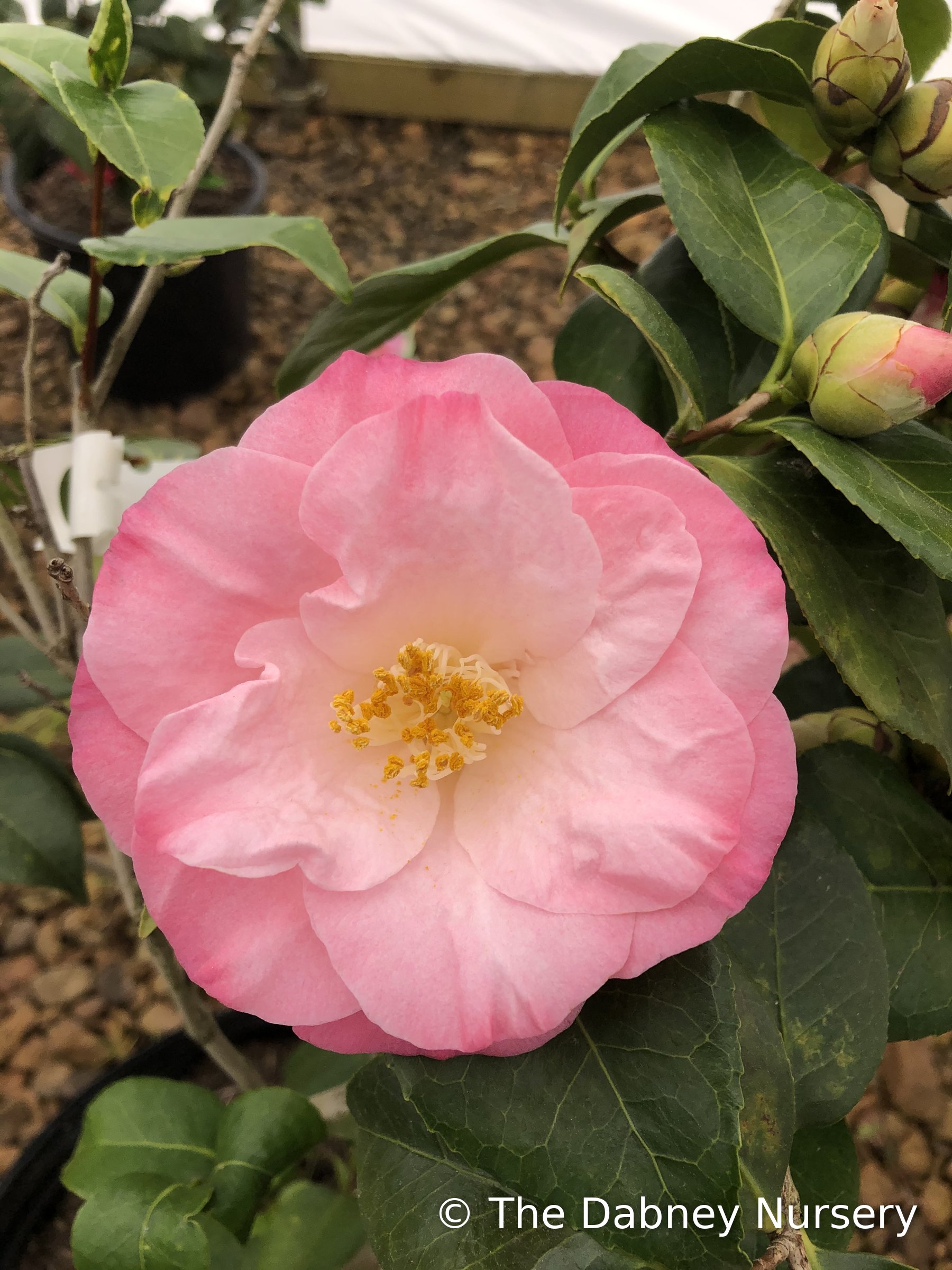
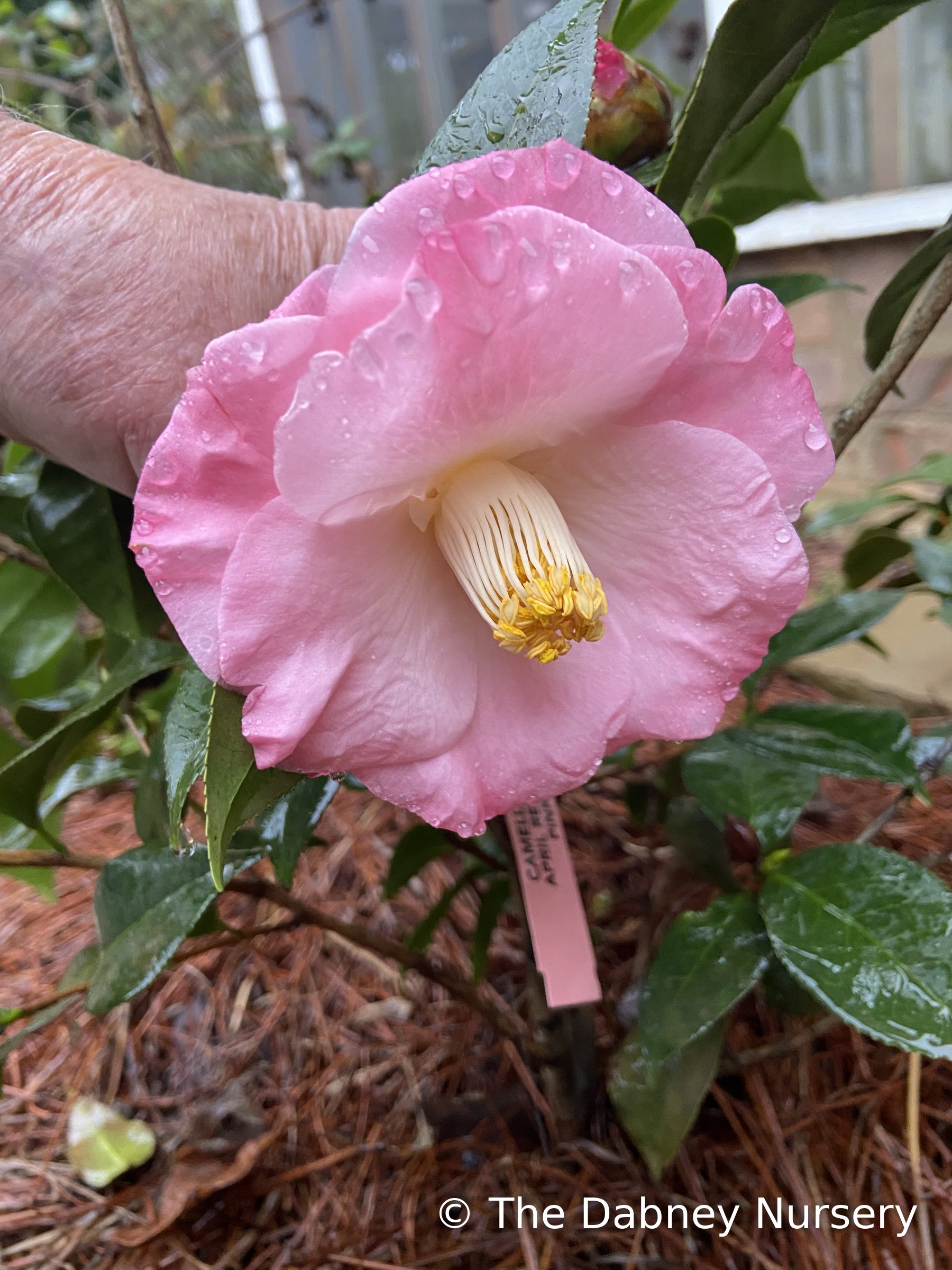
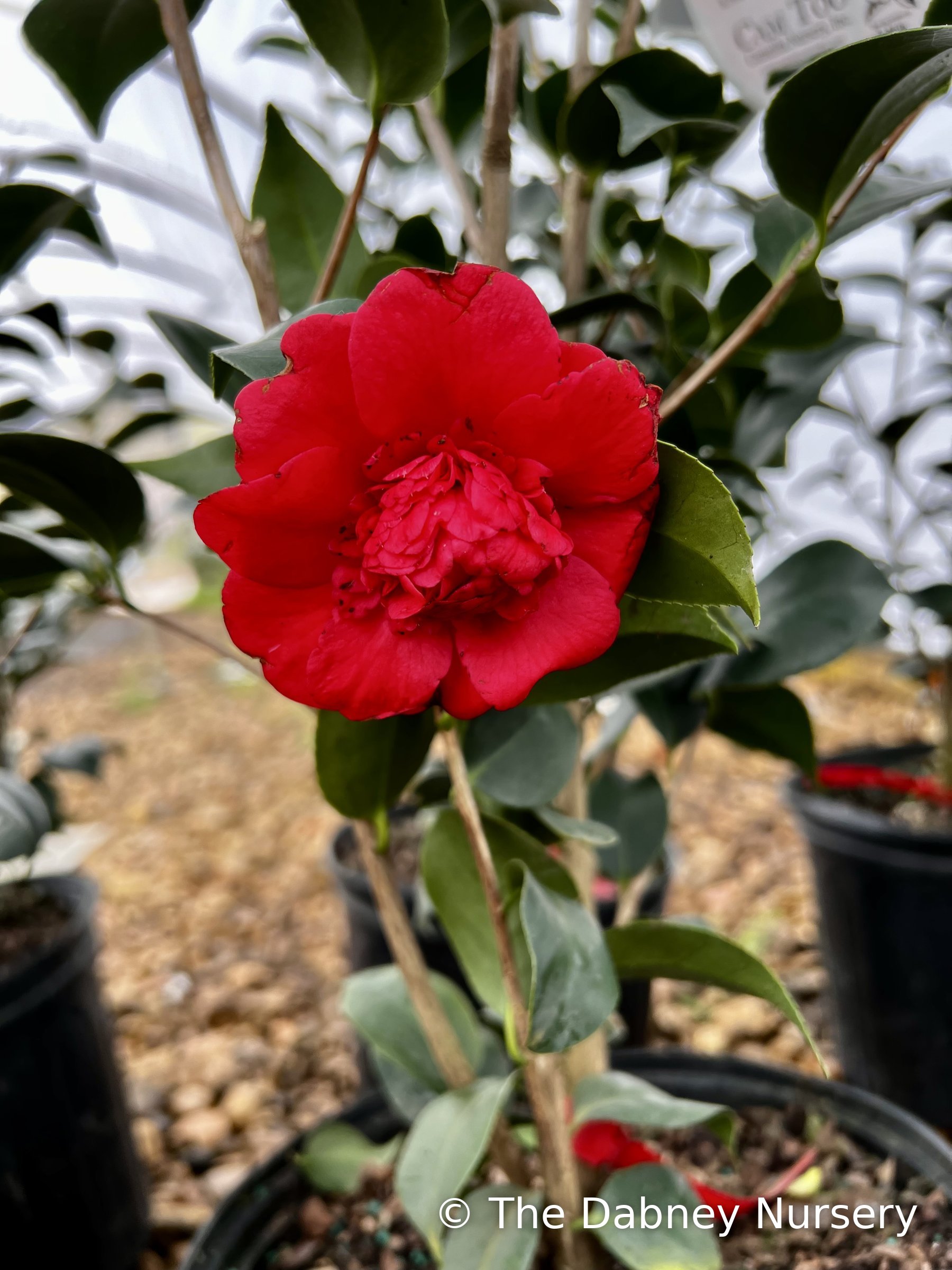
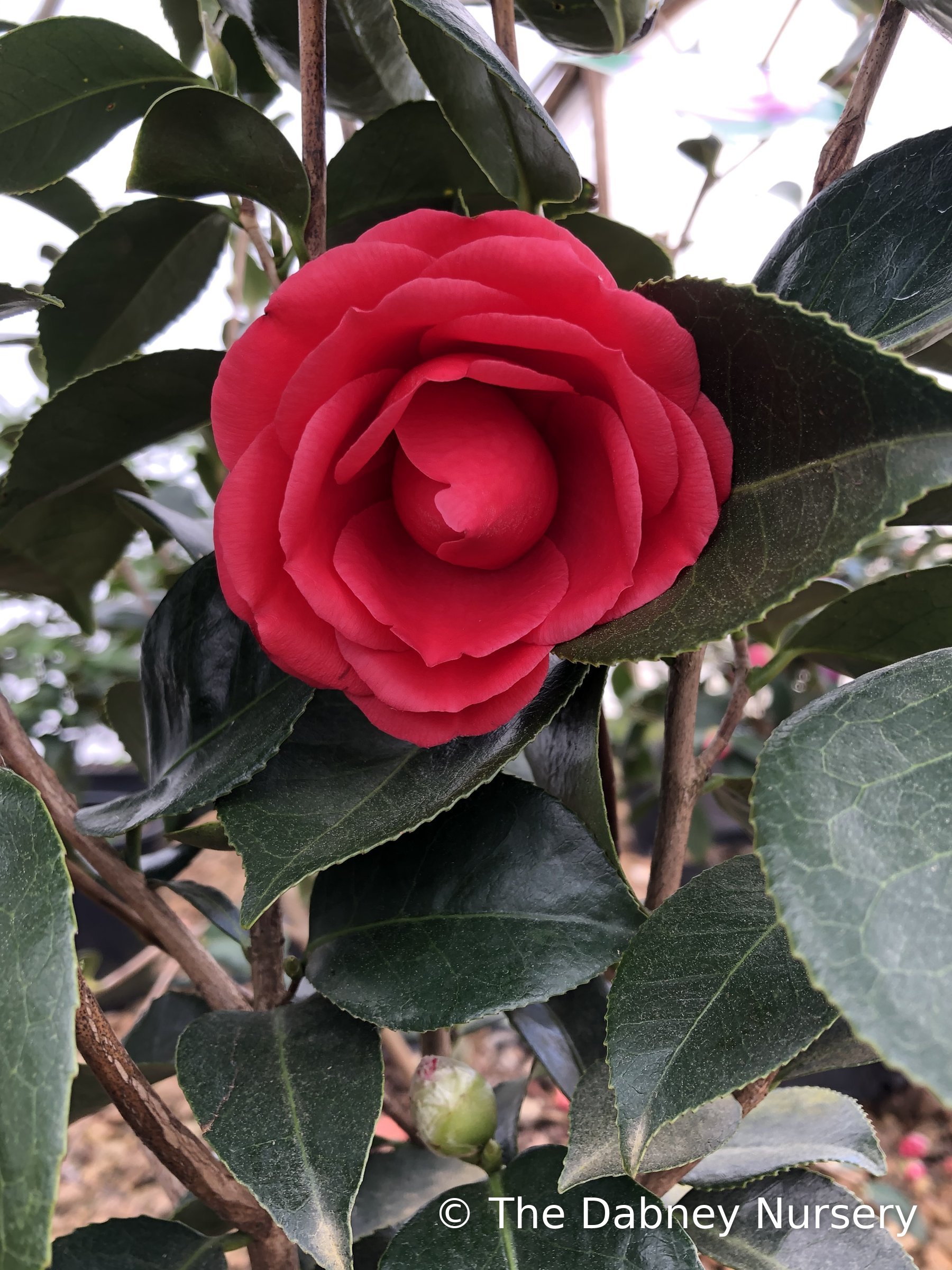
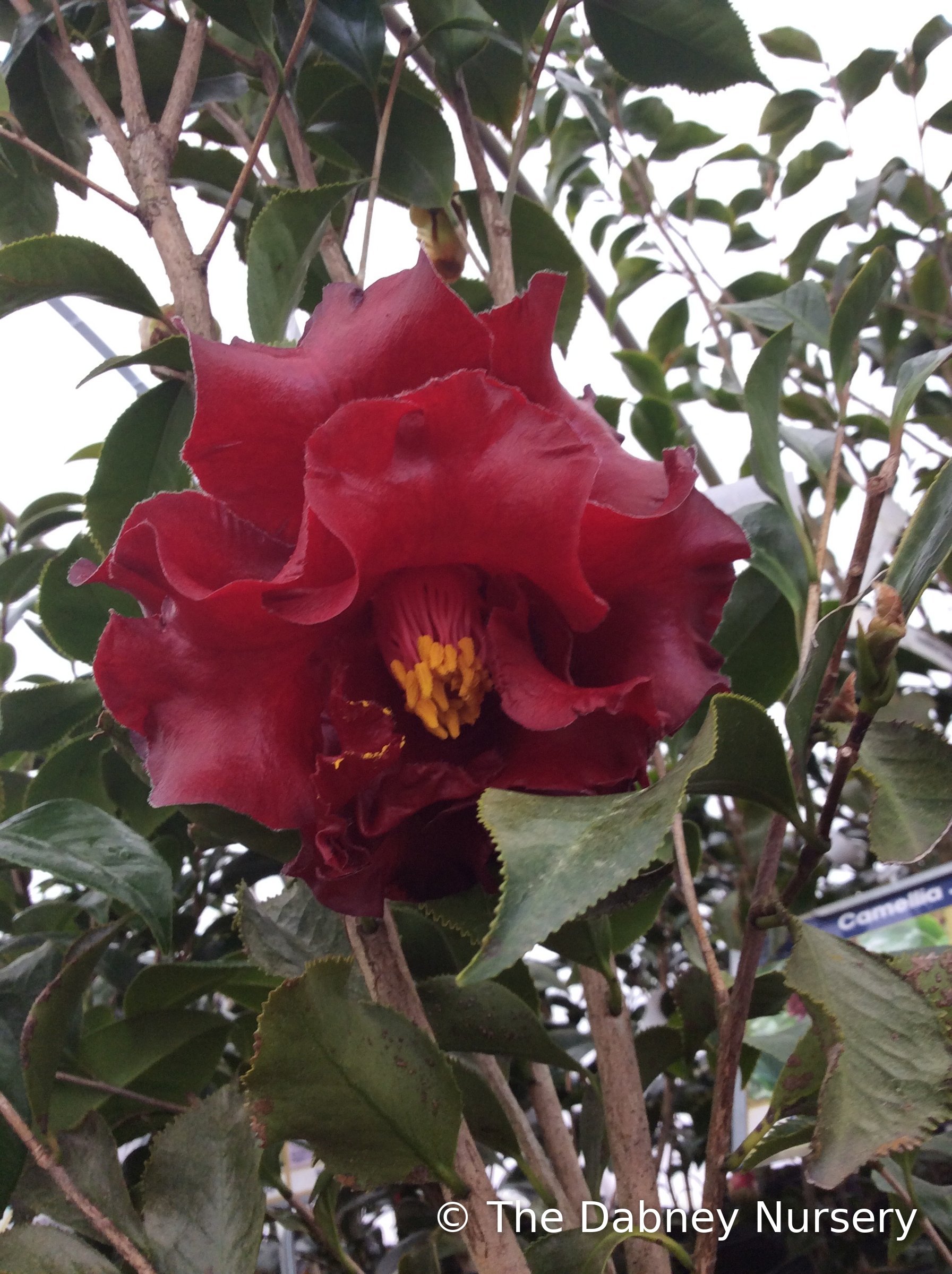
- Semi-double to double blooms 3 to 5 inches across in late winter or early spring, lasting three to four weeks (species description; cultivar colour not stated).
- Foliage
- Broadleaf evergreen leaves 3 to 6 inches long, elliptical to ovate, glossy and leathery with serrate margins, held alternately.
- Fruit
- A woody brown capsule up to 1 inch long.
- Bark & stems
- Dark brown stems covered with blackish lenticels and crescent shaped leaf scars.
- Pruning
- Remove only dead or damaged wood and unproductive branches; prune right after flowering or in early summer, since later pruning may remove next year's blooms.
- Native range
- China, Korea, Central and Southern Japan